THE ADVENTURE COLLECTIVE® · Independent discovery and booking for outdoor travel

Walk from Playa Brava to a calm snorkeling bay at Tortuga Bay with an underwater specialist guiding encounters with iguanas, turtles, rays and baby reef sharks. This half-day private excursion blends an easy coastal hike, beachside snorkeling, and a speedboat return to Puerto Ayora.
Walk from Playa Brava to a calm snorkeling bay at Tortuga Bay with an underwater specialist guiding encounters with iguanas, turtles, rays and baby reef sharks. This half-day private excursion blends an easy coastal hike, beachside snorkeling, and a speedboat return to Puerto Ayora.
A salt-sweet wind pushes across the white sand as you step off the trail onto Tortuga Bay’s broad shore. To your right Playa Brava churns with surf and surfers, to your left a glassy lagoon and a fringe of mangroves hold turtles and rays like slow-moving secrets. An underwater specialist leads the group, pointing out grazing marine iguanas, the dart of a juvenile reef shark, and the slow rotation of a sea turtle beneath the surface.
Verified experiences and guided adventures in the surrounding area.
Operated by Guiding Galapagos Expeditions · Puerto Ayora, Galápagos Province
A salt-sweet wind pushes across the white sand as you step off the trail onto Tortuga Bay’s broad shore. To your right Playa Brava churns with surf and surfers, to your left a glassy lagoon and a fringe of mangroves hold turtles and rays like slow-moving secrets. An underwater specialist leads the group, pointing out grazing marine iguanas, the dart of a juvenile reef shark, and the slow rotation of a sea turtle beneath the surface.
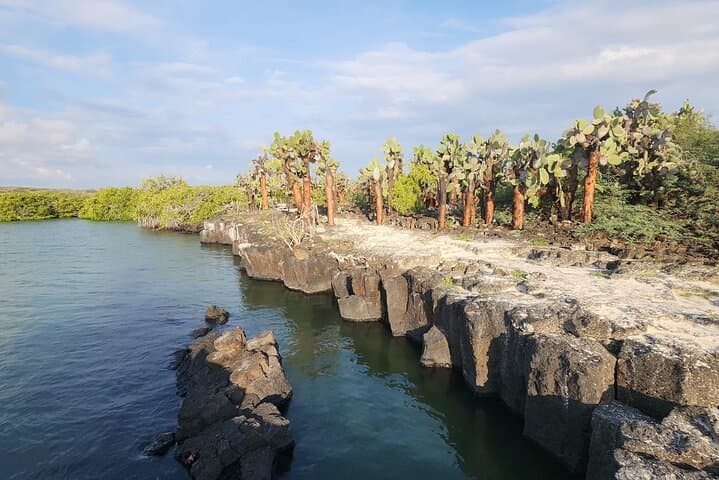
Tortuga Bay sits on the windward edge of Santa Cruz, formed from recent volcanic flows that created the low cliffs and black-lava outcrops framing the beach. The Galápagos’ isolation produced endemic birdlife and marine species; on the short trail you'll likely see Darwin’s finches and nodding lava lizards. The area’s human history is modest—fishers, settlers, and now eco-tourism centered in Puerto Ayora have shaped daily life and local cuisine.
Practically, expect a 40–60 minute walk from the town entrance over sandy track and occasional rocky steps. The snorkel section is from the calm side of the bay and mangrove channels; currents are usually mild but an expert guide helps find concentrations of turtles, rays and small sharks. Bring reef-safe sunscreen, a refillable bottle, and water shoes for the scrubby access points.
Timing matters: morning visits often mean clearer water and fewer people; mid-day is livelier and warmer. The outing typically ends with a speedboat return to Puerto Ayora and a local lunch—an efficient half-day that pairs easy hiking, shore snorkeling, and close wildlife encounters.
moderate.
4–5 hours.
Moderate fitness required for a 40–60 minute walk on sand and short snorkeling sessions; able to swim comfortably.
The trail from the park entrance to the main beach takes about 40–60 minutes depending on pace; sections are sandy and may be exposed to sun.
Yes—snorkeling here is in generally calm, shallow water; the underwater specialist provides guidance and leads you to wildlife hotspots.
You may encounter small, non-threatening reef sharks and juvenile sharks in the shallows; the guide will keep the group safe and respectful of wildlife.
The tour typically finishes with a speedboat transfer back to Puerto Ayora from a nearby landing point, included in the excursion.
Santa Cruz grew from cattle and fishing settlements; Puerto Ayora later evolved into the islands’ scientific and tourist hub, centered around Charles Darwin Research Station.
Tortuga Bay is protected under Galápagos National Park rules—stay on marked trails, avoid touching wildlife, and use reef-safe products to reduce impact.
Guiding Galapagos Expeditions operates guided outdoor trips and adventures with an emphasis on safety, stewardship, and memorable experiences.
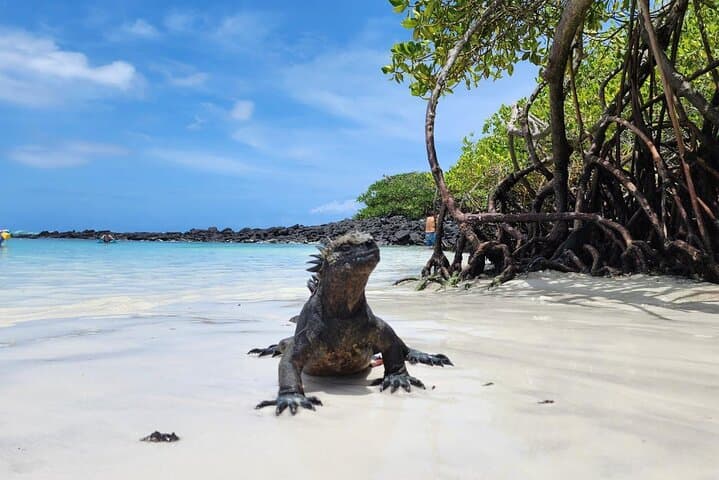
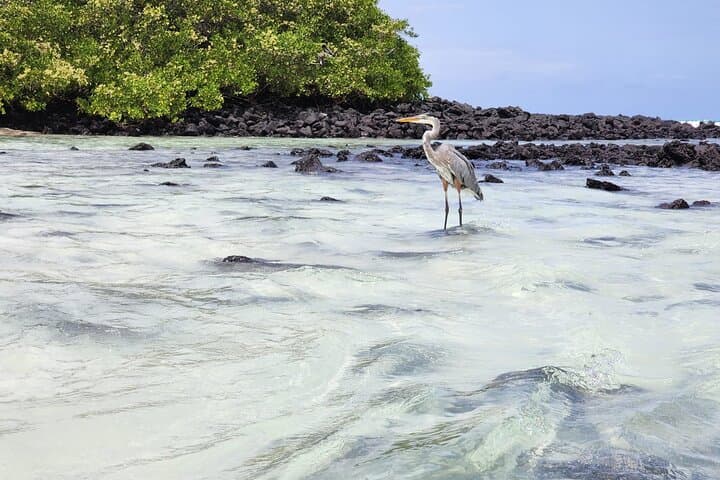
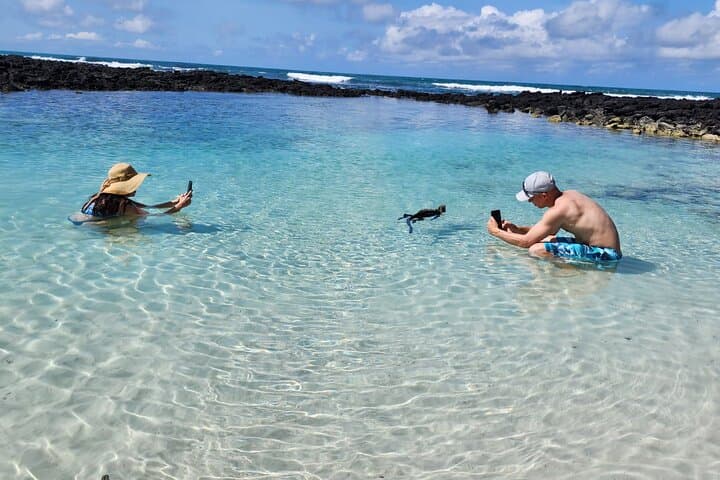
A salt-sweet wind pushes across the white sand as you step off the trail onto Tortuga Bay’s broad shore. To your right Playa Brava churns with surf and surfers, to your left a glassy lagoon and a fringe of mangroves hold turtles and rays like slow-moving secrets. An underwater specialist leads the group, pointing out grazing marine iguanas, the dart of a juvenile reef shark, and the slow rotation of a sea turtle beneath the surface.
A salt-sweet wind pushes across the white sand as you step off the trail onto Tortuga Bay’s broad shore. To your right Playa Brava churns with surf and surfers, to your left a glassy lagoon and a fringe of mangroves hold turtles and rays like slow-moving secrets. An underwater specialist leads the group, pointing out grazing marine iguanas, the dart of a juvenile reef shark, and the slow rotation of a sea turtle beneath the surface.
Tortuga Bay sits on the windward edge of Santa Cruz, formed from recent volcanic flows that created the low cliffs and black-lava outcrops framing the beach. The Galápagos’ isolation produced endemic birdlife and marine species; on the short trail you'll likely see Darwin’s finches and nodding lava lizards. The area’s human history is modest—fishers, settlers, and now eco-tourism centered in Puerto Ayora have shaped daily life and local cuisine.
Practically, expect a 40–60 minute walk from the town entrance over sandy track and occasional rocky steps. The snorkel section is from the calm side of the bay and mangrove channels; currents are usually mild but an expert guide helps find concentrations of turtles, rays and small sharks. Bring reef-safe sunscreen, a refillable bottle, and water shoes for the scrubby access points.
Timing matters: morning visits often mean clearer water and fewer people; mid-day is livelier and warmer. The outing typically ends with a speedboat return to Puerto Ayora and a local lunch—an efficient half-day that pairs easy hiking, shore snorkeling, and close wildlife encounters.