THE ADVENTURE COLLECTIVE® · Independent discovery and booking for outdoor travel

Descend through one of Mallorca’s most dramatic canyons on a guided hike to Sa Calobra. Expect narrow limestone walls, short scrambles and a one-way route that finishes at a pebble beach — a demanding half-day for fit hikers.
Descend through one of Mallorca’s most dramatic canyons on a guided hike to Sa Calobra. Expect narrow limestone walls, short scrambles and a one-way route that finishes at a pebble beach — a demanding half-day for fit hikers.
A raw hush settles as the group squeezes into the throat of Torrent de Pareis — cliffs tilt vertically, and the canyon narrows to a corridor of stone and light. Water carved this passage for millennia; now the trail threads through polished limestone, sudden gullies and pockets of scrub that scent the air with thyme and rosemary. The journey ends on Sa Calobra’s small beach, where the sea waits like a cool reward.
Verified experiences and guided adventures in the surrounding area.
Operated by Mallorca Mountains · Sa Calobra, Balearic Islands
A raw hush settles as the group squeezes into the throat of Torrent de Pareis — cliffs tilt vertically, and the canyon narrows to a corridor of stone and light. Water carved this passage for millennia; now the trail threads through polished limestone, sudden gullies and pockets of scrub that scent the air with thyme and rosemary. The journey ends on Sa Calobra’s small beach, where the sea waits like a cool reward.
Geologically the Torrent is a classic karst canyon: soluble limestone, sudden sinkholes and sheer walls that rise to roughly 300 meters. Culturally it's part of the Serra de Tramuntana, a UNESCO-listed mountain range shaped by centuries of shepherding and small mountain agriculture. Guides point out old cairns, terraces and the occasional shepherd’s hut—reminders that people have navigated these slopes long before tourism.
Expect a varied route: uneven rock, narrow steps, short scrambles and at least one exposed pass where sure-footedness matters. The group moves deliberately; guides manage rope-assisted sections and route-finding through the trickiest bits. Bring steady footwear, layered clothing for wind and sun, and enough water for a five-hour outing.
Logistics: the hike is commonly done as a one-way descent that ends at Sa Calobra; many operators arrange taxis back to vehicles for an extra fee. Weather can close the canyon — heavy rain makes the route unsafe. For motivated hikers the Torrent de Pareis is an intense half-day that combines raw geology, sharp views and direct contact with Mallorca’s wilder side.
moderate.
4–6 hours (including transport and breaks).
Moderate: participants should be comfortable on uneven terrain and short scrambles for several hours.
The route is rated moderate to challenging in sections — expect narrow passages, short exposed scrambles and sustained uneven footing; guides assist with tricky parts.
Older, experienced children who are steady on rocky terrain can join, but the company notes families should assess spinal/medical conditions and fitness first.
Guides are recommended for safety and route-finding; no special permit is typically required for guided hikes, but access can be restricted during bad weather.
Most operators arrange a taxi return at additional cost; alternatively, plan your own pick-up from Sa Calobra since the hike is usually one-way.
Torrent de Pareis has been formed over millennia by karst processes and is part of the Serra de Tramuntana, an area with long shepherding and terrace-agriculture traditions.
The canyon is sensitive to erosion and overcrowding; stick to marked routes, travel with licensed guides and carry out all waste.
Mallorca Mountains operates guided outdoor trips and adventures with an emphasis on safety, stewardship, and memorable experiences.
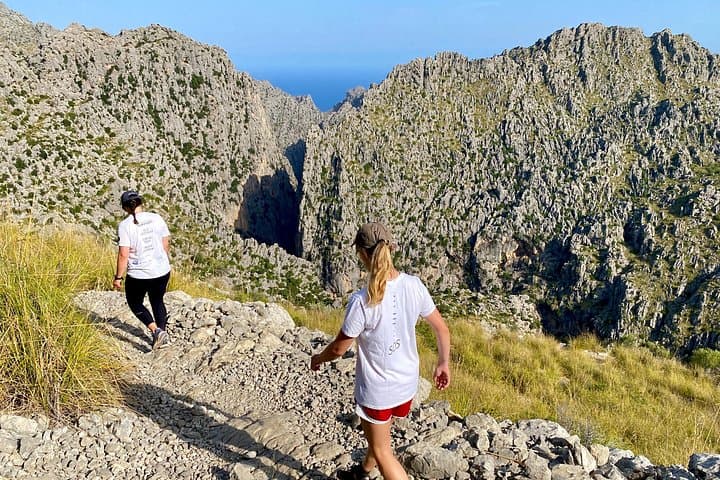
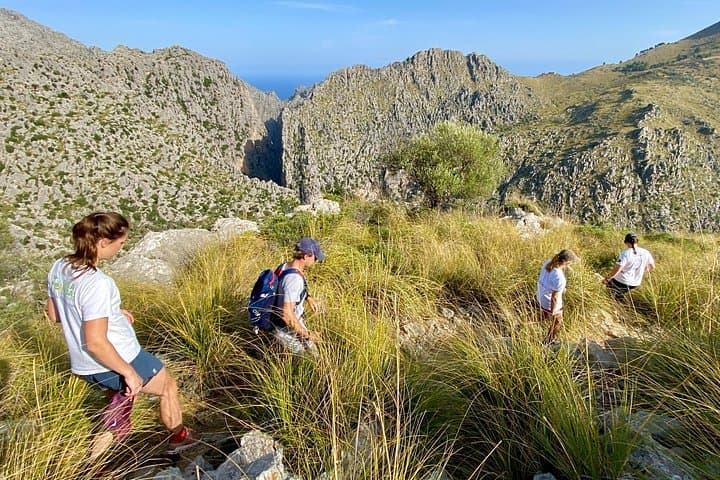
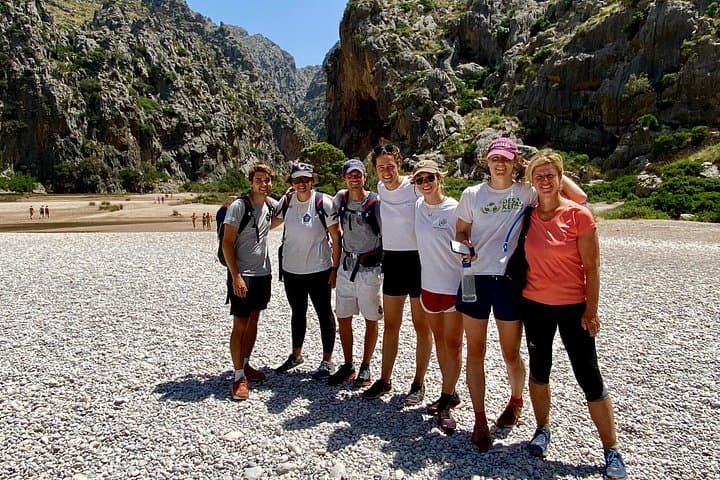
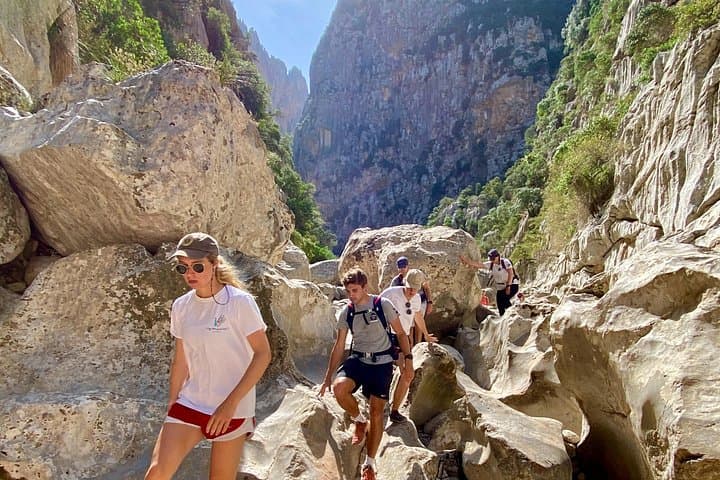
A raw hush settles as the group squeezes into the throat of Torrent de Pareis — cliffs tilt vertically, and the canyon narrows to a corridor of stone and light. Water carved this passage for millennia; now the trail threads through polished limestone, sudden gullies and pockets of scrub that scent the air with thyme and rosemary. The journey ends on Sa Calobra’s small beach, where the sea waits like a cool reward.
A raw hush settles as the group squeezes into the throat of Torrent de Pareis — cliffs tilt vertically, and the canyon narrows to a corridor of stone and light. Water carved this passage for millennia; now the trail threads through polished limestone, sudden gullies and pockets of scrub that scent the air with thyme and rosemary. The journey ends on Sa Calobra’s small beach, where the sea waits like a cool reward.
Geologically the Torrent is a classic karst canyon: soluble limestone, sudden sinkholes and sheer walls that rise to roughly 300 meters. Culturally it's part of the Serra de Tramuntana, a UNESCO-listed mountain range shaped by centuries of shepherding and small mountain agriculture. Guides point out old cairns, terraces and the occasional shepherd’s hut—reminders that people have navigated these slopes long before tourism.
Expect a varied route: uneven rock, narrow steps, short scrambles and at least one exposed pass where sure-footedness matters. The group moves deliberately; guides manage rope-assisted sections and route-finding through the trickiest bits. Bring steady footwear, layered clothing for wind and sun, and enough water for a five-hour outing.
Logistics: the hike is commonly done as a one-way descent that ends at Sa Calobra; many operators arrange taxis back to vehicles for an extra fee. Weather can close the canyon — heavy rain makes the route unsafe. For motivated hikers the Torrent de Pareis is an intense half-day that combines raw geology, sharp views and direct contact with Mallorca’s wilder side.