THE ADVENTURE COLLECTIVE® · Independent discovery and booking for outdoor travel

A compact seven-day overland journey from Quito to Cuenca that stitches together Ecuador’s volcanoes, highland lakes, Amazon foothills and colonial cities. Expect daily drives, short hikes, archaeological sites and a mix of high-altitude paramo and humid jungle scenery.
A compact seven-day overland journey from Quito to Cuenca that stitches together Ecuador’s volcanoes, highland lakes, Amazon foothills and colonial cities. Expect daily drives, short hikes, archaeological sites and a mix of high-altitude paramo and humid jungle scenery.
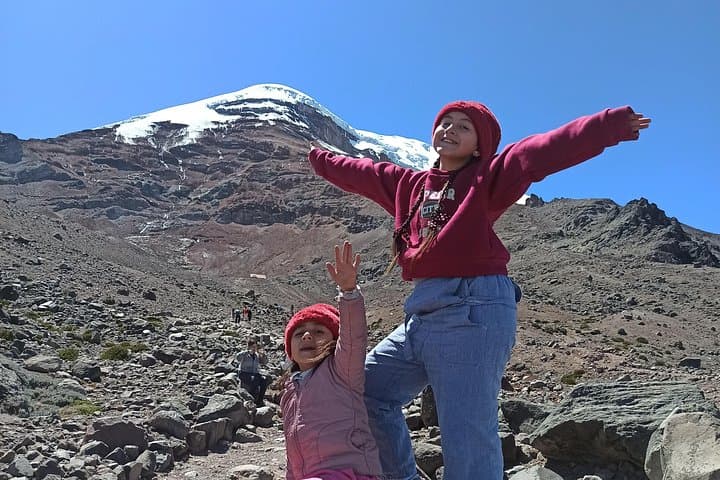
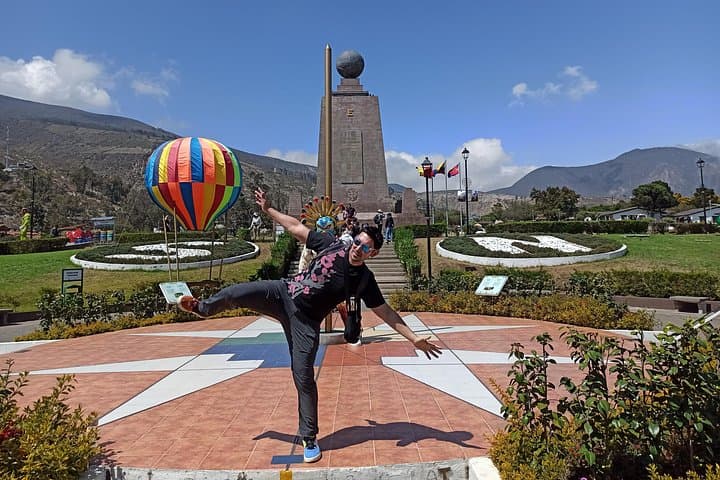
Morning light slices across the highland plain as a minivan threads the Avenue of the Volcanoes — Cotopaxi looming like a watchful presence, Chimborazo crouched farther south. Travelers begin in Quito’s crisp air and move through a sequence of striking landscapes: emerald crater lakes, cloud-forested waterfalls, paramo lakes and a pocket of Amazon jungle.
Verified experiences and guided adventures in the surrounding area.
Operated by Polylepis Tours · Quito, Pichincha
Morning light slices across the highland plain as a minivan threads the Avenue of the Volcanoes — Cotopaxi looming like a watchful presence, Chimborazo crouched farther south. Travelers begin in Quito’s crisp air and move through a sequence of striking landscapes: emerald crater lakes, cloud-forested waterfalls, paramo lakes and a pocket of Amazon jungle.
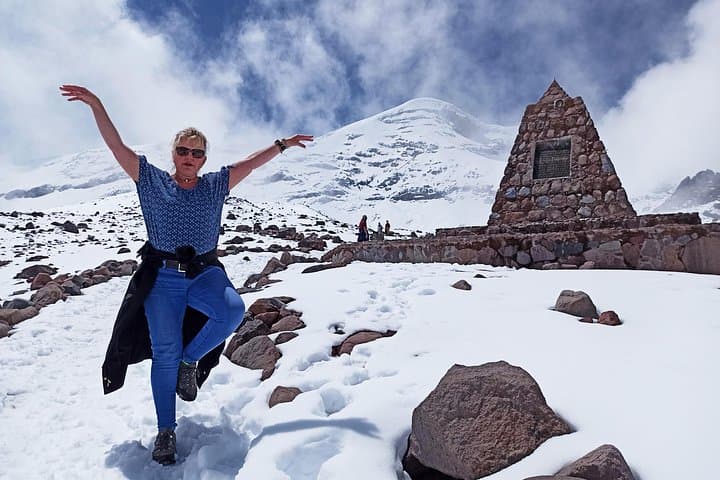
The route maps Ecuador’s layered history: pre-Columbian stonework at Ingapirca, colonial plazas in Cuenca, and indigenous markets at Pujilí and Tigua where artisanal painting and weaving remain living traditions. Geologically, the trip traverses the Western Andes, crosses volcanic highlands (Cotopaxi ~5,897 m; Chimborazo ~6,263 m) and drops into the eastern foothills toward Puyo — a contrast of glacial-carved basins like Quilotoa and the humid slopes that feed the Amazon.
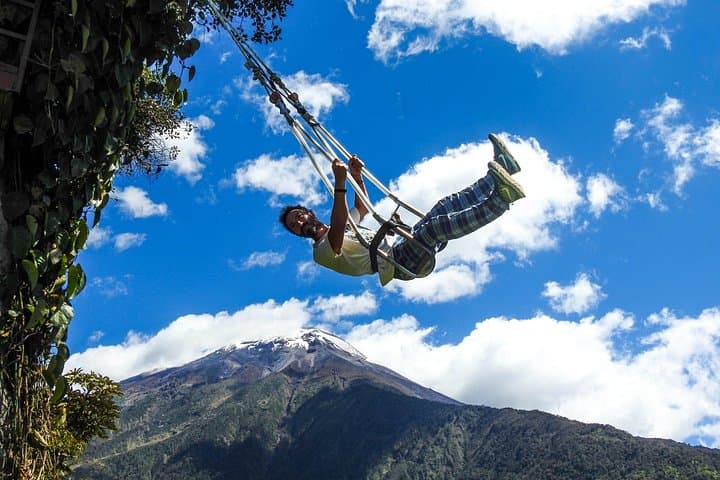
Culturally the itinerary balances small-town rhythms — Baños’ adventure hub and Alausí’s rail heritage — with conservation-minded stops: Cajas National Park’s 235+ lakes and Polylepis stands illustrate high-Andean ecology.
Practical guidance: the tour is seven days with daily driving and multiple short hikes; expect variable weather and notable altitude changes (Quito ~2,850 m). Hydrate, pace activity on the first days to reduce altitude effects, and carry waterproof layers for cloud forest and waterfall visits. Footwear should handle slick volcanic scree and muddy jungle trails. Time visits to high viewpoints for the clearest volcanic vistas (early morning or late afternoon). With moderate fitness, the route rewards with concentrated access to Ecuador’s geological and cultural highlights between Quito and Cuenca.
moderate.
7 days.
Moderate fitness: able to handle several hours of walking at altitude and multiple short hikes; not technically demanding.
Cities and stops vary: Quito ~2,850 m, Quilotoa rim ~3,900–4,000 m, Cotopaxi base areas around 3,800 m, and Chimborazo viewing areas exceed 4,500 m; expect significant altitude change.
The tour includes short hikes, uneven terrain and cobbled streets; travelers with limited mobility should contact the operator to discuss accessibility and transfers.
Guides typically speak Spanish and English; many local markets use Kichwa (Quechua) among indigenous vendors, with Spanish as the lingua franca.
Breakfasts (7) and some lunches are included, plus 7 nights’ accommodation based on double occupancy; check the itinerary for specifics and any optional upgrades.
The route connects major chapters of Ecuadorian history: Cañari and Inca stonework at Ingapirca and Spanish colonial settlement patterns that shaped Cuenca’s plazas and churches.
Cajas and Cotopaxi are protected areas with active conservation programs; travelers should stick to marked trails, avoid feeding wildlife, and carry out trash to minimize impact.
Polylepis Tours operates guided outdoor trips and adventures with an emphasis on safety, stewardship, and memorable experiences.
Morning light slices across the highland plain as a minivan threads the Avenue of the Volcanoes — Cotopaxi looming like a watchful presence, Chimborazo crouched farther south. Travelers begin in Quito’s crisp air and move through a sequence of striking landscapes: emerald crater lakes, cloud-forested waterfalls, paramo lakes and a pocket of Amazon jungle.
Morning light slices across the highland plain as a minivan threads the Avenue of the Volcanoes — Cotopaxi looming like a watchful presence, Chimborazo crouched farther south. Travelers begin in Quito’s crisp air and move through a sequence of striking landscapes: emerald crater lakes, cloud-forested waterfalls, paramo lakes and a pocket of Amazon jungle.
The route maps Ecuador’s layered history: pre-Columbian stonework at Ingapirca, colonial plazas in Cuenca, and indigenous markets at Pujilí and Tigua where artisanal painting and weaving remain living traditions. Geologically, the trip traverses the Western Andes, crosses volcanic highlands (Cotopaxi ~5,897 m; Chimborazo ~6,263 m) and drops into the eastern foothills toward Puyo — a contrast of glacial-carved basins like Quilotoa and the humid slopes that feed the Amazon.
Culturally the itinerary balances small-town rhythms — Baños’ adventure hub and Alausí’s rail heritage — with conservation-minded stops: Cajas National Park’s 235+ lakes and Polylepis stands illustrate high-Andean ecology.
Practical guidance: the tour is seven days with daily driving and multiple short hikes; expect variable weather and notable altitude changes (Quito ~2,850 m). Hydrate, pace activity on the first days to reduce altitude effects, and carry waterproof layers for cloud forest and waterfall visits. Footwear should handle slick volcanic scree and muddy jungle trails. Time visits to high viewpoints for the clearest volcanic vistas (early morning or late afternoon). With moderate fitness, the route rewards with concentrated access to Ecuador’s geological and cultural highlights between Quito and Cuenca.