THE ADVENTURE COLLECTIVE® · Independent discovery and booking for outdoor travel

Ride a glass-ceiling elevator to the 70th floor of Rockefeller Center and take in sweeping, 360° views of Manhattan — from Central Park’s green expanse to the Empire State Building. This practical guide covers history, best times to visit, accessibility, and what to pack for a smooth visit.
Ride a glass-ceiling elevator to the 70th floor of Rockefeller Center and take in sweeping, 360° views of Manhattan — from Central Park’s green expanse to the Empire State Building. This practical guide covers history, best times to visit, accessibility, and what to pack for a smooth visit.
You step from a glass-ceiling elevator and the city unfolds — a grid of rooftops, the green cut of Central Park, and the Empire State Building nearly level with your eye. Air and light move differently at the 70th floor; the streets below become patterns and the harbor dares you to trace its edges.
Verified experiences and guided adventures in the surrounding area.
Operated by TrevoTour Travels · New York, New York
You step from a glass-ceiling elevator and the city unfolds — a grid of rooftops, the green cut of Central Park, and the Empire State Building nearly level with your eye. Air and light move differently at the 70th floor; the streets below become patterns and the harbor dares you to trace its edges.
Rockefeller Center, built during the 1930s, is an Art Deco complex with a civic history tied to radio, film and the boom of mid-century Manhattan. The 30 Rockefeller Plaza observation decks exploit the building’s vertical geometry: multiple levels that frame different parts of the skyline. Geologically the view is urban — bedrock and concrete — but culturally it’s layered: theaters, studios, and seasonal traditions (ice skating and holiday trees) anchor the plaza’s identity.
Expect wide indoor galleries and outdoor terraces with unobstructed photo points, plus an optional Beam experience for a glass-floor perspective. Accessibility is strong — elevators and ramps — and public transit (B/D/F/M, 1, 6 trains) drops you within blocks.
Practical guidance: book a timed mobile ticket and arrive 20–30 minutes early to pass security and enjoy changing light. Peak photo conditions are sunrise and the first hour after sunset for glittering city lights; midday offers clearer distant visibility. Carry a compact jacket — wind on exposed terraces can be sharp — and limit large bags to speed through checks. Children under 42 inches cannot access certain features, so verify Beam rules ahead of time. Plan 45–90 minutes for a relaxed visit; longer if you linger for photography or evening views.
easy.
45–90 minutes.
Suitable for all fitness levels; requires use of elevators and some standing/walking on terraces
Tickets are timed and mobile tickets are accepted; you can present them on your phone when you arrive.
Visits typically last 45–90 minutes; you can stay longer subject to capacity limits and closing times.
Yes — elevators and accessible routes are available; staff can assist with access needs.
Yes — on clear days you can spot the Statue of Liberty to the south and Central Park’s full expanse to the north.
30 Rockefeller Plaza was completed in the mid-1930s as the centerpiece of Rockefeller Center, an Art Deco complex linked to radio and media history.
Bright city lights can disorient migratory birds; NYC participates in lights-out initiatives—visitors can reduce impact by minimizing flash photography and disposing of waste properly.
TrevoTour Travels operates guided outdoor trips and adventures with an emphasis on safety, stewardship, and memorable experiences.
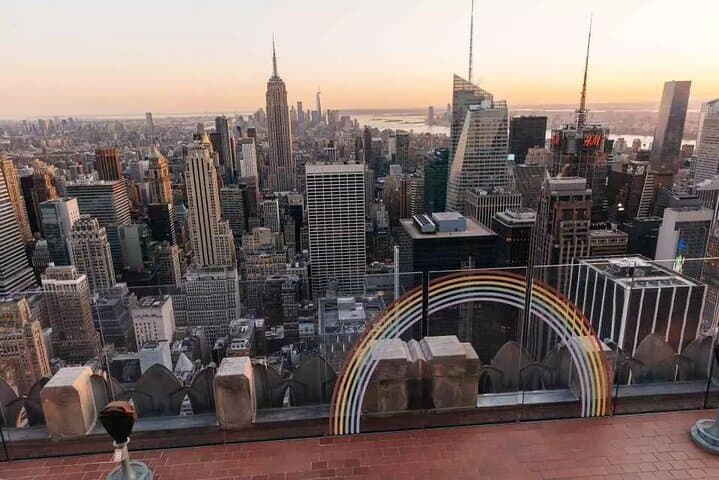
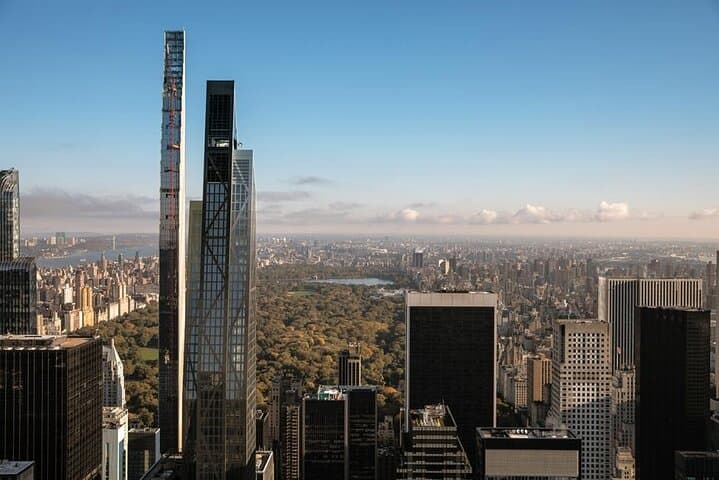
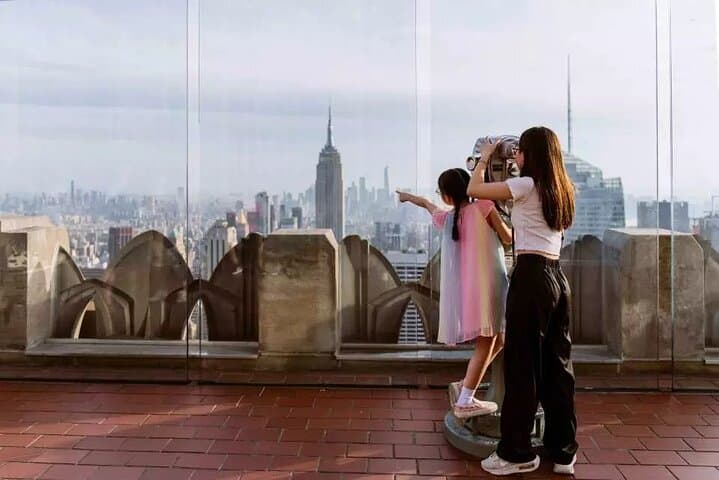
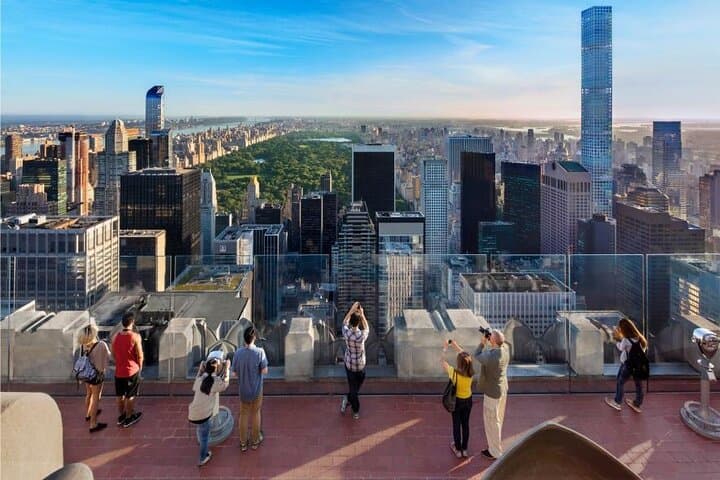
You step from a glass-ceiling elevator and the city unfolds — a grid of rooftops, the green cut of Central Park, and the Empire State Building nearly level with your eye. Air and light move differently at the 70th floor; the streets below become patterns and the harbor dares you to trace its edges.
You step from a glass-ceiling elevator and the city unfolds — a grid of rooftops, the green cut of Central Park, and the Empire State Building nearly level with your eye. Air and light move differently at the 70th floor; the streets below become patterns and the harbor dares you to trace its edges.
Rockefeller Center, built during the 1930s, is an Art Deco complex with a civic history tied to radio, film and the boom of mid-century Manhattan. The 30 Rockefeller Plaza observation decks exploit the building’s vertical geometry: multiple levels that frame different parts of the skyline. Geologically the view is urban — bedrock and concrete — but culturally it’s layered: theaters, studios, and seasonal traditions (ice skating and holiday trees) anchor the plaza’s identity.
Expect wide indoor galleries and outdoor terraces with unobstructed photo points, plus an optional Beam experience for a glass-floor perspective. Accessibility is strong — elevators and ramps — and public transit (B/D/F/M, 1, 6 trains) drops you within blocks.
Practical guidance: book a timed mobile ticket and arrive 20–30 minutes early to pass security and enjoy changing light. Peak photo conditions are sunrise and the first hour after sunset for glittering city lights; midday offers clearer distant visibility. Carry a compact jacket — wind on exposed terraces can be sharp — and limit large bags to speed through checks. Children under 42 inches cannot access certain features, so verify Beam rules ahead of time. Plan 45–90 minutes for a relaxed visit; longer if you linger for photography or evening views.