THE ADVENTURE COLLECTIVE® · Independent discovery and booking for outdoor travel

Ascend to Top of the Rock, then walk Midtown with a local guide who threads skyline panoramas into stories about architecture, industry, and city life. Upgrade to the Empire State Building for a second, unforgettable vantage point over Manhattan.
Ascend to Top of the Rock, then walk Midtown with a local guide who threads skyline panoramas into stories about architecture, industry, and city life. Upgrade to the Empire State Building for a second, unforgettable vantage point over Manhattan.
The elevator breathes a short, electric sigh and then the city unfolds—blocks turned into geometry, trees on a rectangular island of green, and the Empire State Building jutting like a punctuation mark through the skyline. From the 70th floor of Top of the Rock, Manhattan opens in every direction: Central Park’s quilt of green to the north, the Hudson and East rivers framing a city that keeps moving even at this height. A City Wonders guide steadies the view with context, pointing out the design choices and historical episodes that turned this skyline into the world’s most photographed address.
Verified experiences and guided adventures in the surrounding area.
Operated by City Wonders USA · New York, New York
The elevator breathes a short, electric sigh and then the city unfolds—blocks turned into geometry, trees on a rectangular island of green, and the Empire State Building jutting like a punctuation mark through the skyline. From the 70th floor of Top of the Rock, Manhattan opens in every direction: Central Park’s quilt of green to the north, the Hudson and East rivers framing a city that keeps moving even at this height. A City Wonders guide steadies the view with context, pointing out the design choices and historical episodes that turned this skyline into the world’s most photographed address.
The walking portion of this Midtown tour stitches the tower-top perspective to street-level stories. Rockefeller Center, completed in the early 1930s during the Depression, is an Art Deco complex whose plazas and channel gardens were conceived as a civic living room. Fifth Avenue’s façades tell tales of commerce and aspiration—from St. Patrick’s Cathedral’s Gothic stones to the New York Public Library’s lion guards and carved stone inscriptions. Bryant Park’s rebirth from derelict space to cultural hub is a modern urban-park success story that demonstrates how programming and maintenance can change how a city breathes.
This experience is equal parts panorama and urban anthropology. The guide layers architecture and engineering—how Rockefeller Center’s setbacks follow zoning rules, why the Empire State’s mast once meant airship dreams—over practical navigation: the best windows for photos, where lines thin, and which corners escape the tourist crush.
Practical guidance: plan for 2–3 hours. Meet at the corner of 6th Avenue and West 51st Street; guides carry a City Wonders flag. Security screening is part of the observatory routine—expect bag checks and small-item restrictions—so travel light and arrive 15 minutes early. Wear comfortable walking shoes; Midtown’s sidewalks are mostly even but require steady feet and a few quick street crossings. If you upgrade to the Empire State Building, expect an extra queue and an indoor-to-outdoor transition on the 86th floor.
Timing matters. Sunset and early evening give golden, low-angle light and the city’s gradual shift from afternoon clarity to night twinkle, while morning offers cleaner air for long-distance shots. Public transit is the most efficient arrival option; Midtown parking is expensive and slow. The tour is accessible to most fitness levels but not suitable for guests needing wheelchair assistance during group parts. Above all, carry a water bottle, protect your phone battery for photos, and listen—the city keeps telling stories at both street level and skyline height.
easy.
2–3 hours.
Comfortable walking ability for flat city sidewalks and short stair or escalator transitions; suitable for most fitness levels
Meet in front of the MBL flagship store at the corner of 6th Ave (Avenue of the Americas) and West 51st Street; the guide will have a City Wonders flag.
The Top of the Rock tour includes access to that observatory; the Empire State Building is an optional upgrade available during booking.
The tour is not able to accommodate guests requiring wheelchair assistance or strollers during the group walking portions; individual venues may have their own accessibility services.
The experience runs approximately 2–3 hours, including time at Top of the Rock and the guided Midtown walk; the Empire State upgrade adds time for entry and viewing.
Small backpacks are recommended; large bags may be refused. Tripods are not permitted in observatory areas.
You should arrive 15 minutes early; missed tours or tickets due to late arrival are non-refundable.
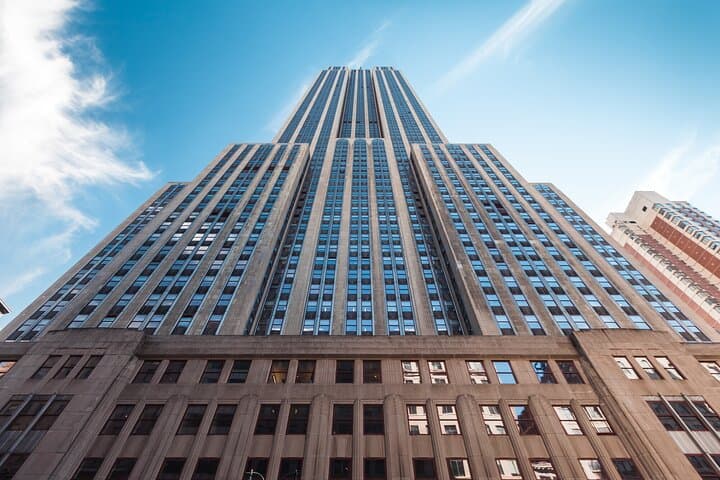
Rockefeller Center was developed in the early 1930s as an ambitious urban complex and Art Deco landmark; the Empire State Building opened in 1931 and symbolizes early 20th-century engineering ambition.
High foot traffic requires responsible behavior—stay on paths, follow venue rules, and use public transit to reduce local congestion and emissions.
City Wonders USA operates guided outdoor trips and adventures with an emphasis on safety, stewardship, and memorable experiences.
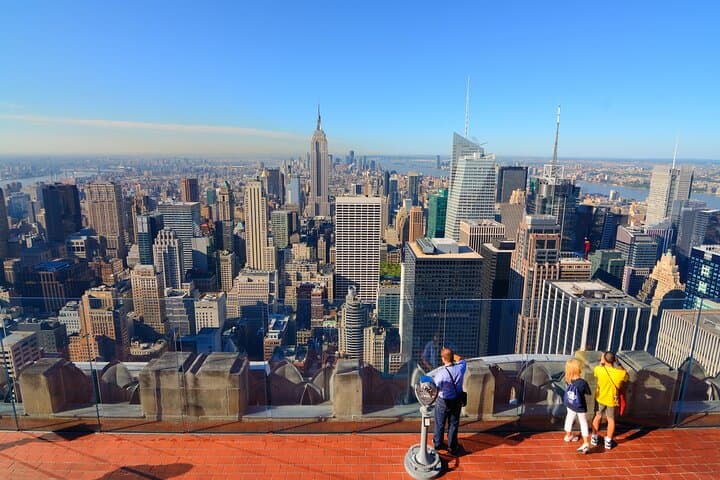
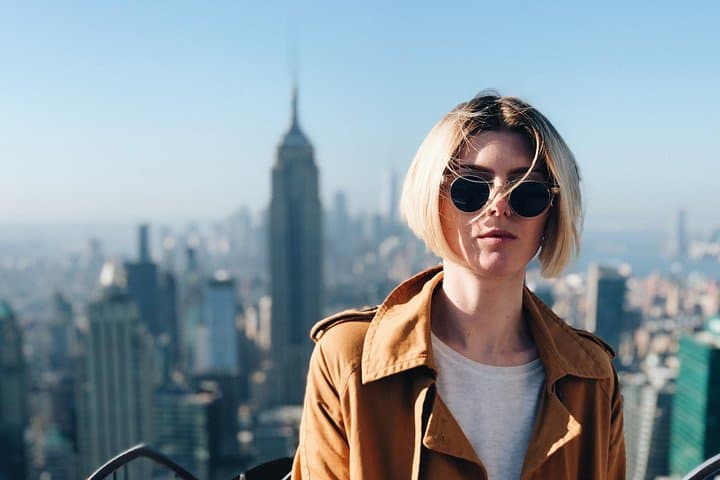
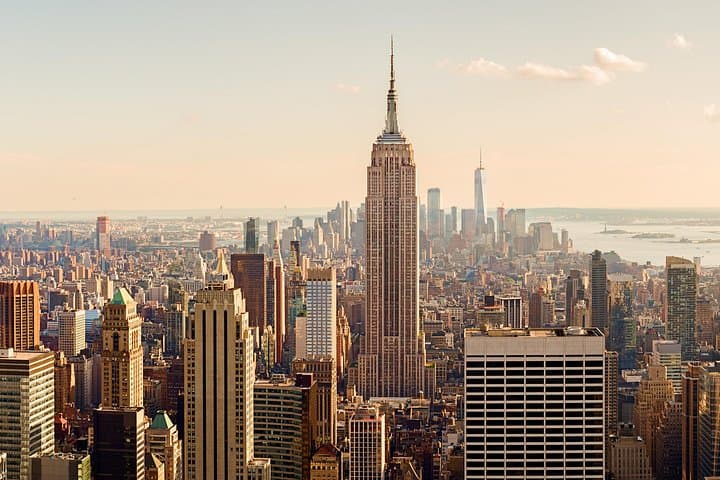
The elevator breathes a short, electric sigh and then the city unfolds—blocks turned into geometry, trees on a rectangular island of green, and the Empire State Building jutting like a punctuation mark through the skyline. From the 70th floor of Top of the Rock, Manhattan opens in every direction: Central Park’s quilt of green to the north, the Hudson and East rivers framing a city that keeps moving even at this height. A City Wonders guide steadies the view with context, pointing out the design choices and historical episodes that turned this skyline into the world’s most photographed address.
The elevator breathes a short, electric sigh and then the city unfolds—blocks turned into geometry, trees on a rectangular island of green, and the Empire State Building jutting like a punctuation mark through the skyline. From the 70th floor of Top of the Rock, Manhattan opens in every direction: Central Park’s quilt of green to the north, the Hudson and East rivers framing a city that keeps moving even at this height. A City Wonders guide steadies the view with context, pointing out the design choices and historical episodes that turned this skyline into the world’s most photographed address.
The walking portion of this Midtown tour stitches the tower-top perspective to street-level stories. Rockefeller Center, completed in the early 1930s during the Depression, is an Art Deco complex whose plazas and channel gardens were conceived as a civic living room. Fifth Avenue’s façades tell tales of commerce and aspiration—from St. Patrick’s Cathedral’s Gothic stones to the New York Public Library’s lion guards and carved stone inscriptions. Bryant Park’s rebirth from derelict space to cultural hub is a modern urban-park success story that demonstrates how programming and maintenance can change how a city breathes.
This experience is equal parts panorama and urban anthropology. The guide layers architecture and engineering—how Rockefeller Center’s setbacks follow zoning rules, why the Empire State’s mast once meant airship dreams—over practical navigation: the best windows for photos, where lines thin, and which corners escape the tourist crush.
Practical guidance: plan for 2–3 hours. Meet at the corner of 6th Avenue and West 51st Street; guides carry a City Wonders flag. Security screening is part of the observatory routine—expect bag checks and small-item restrictions—so travel light and arrive 15 minutes early. Wear comfortable walking shoes; Midtown’s sidewalks are mostly even but require steady feet and a few quick street crossings. If you upgrade to the Empire State Building, expect an extra queue and an indoor-to-outdoor transition on the 86th floor.
Timing matters. Sunset and early evening give golden, low-angle light and the city’s gradual shift from afternoon clarity to night twinkle, while morning offers cleaner air for long-distance shots. Public transit is the most efficient arrival option; Midtown parking is expensive and slow. The tour is accessible to most fitness levels but not suitable for guests needing wheelchair assistance during group parts. Above all, carry a water bottle, protect your phone battery for photos, and listen—the city keeps telling stories at both street level and skyline height.