THE ADVENTURE COLLECTIVE® · Independent discovery and booking for outdoor travel

Ride a swift elevator to 300 meters and take in sweeping 360° views of Osaka from Abeno Harukas 300. This concise guide covers what to expect, how to get there, and the best times to capture the city below.
Ride a swift elevator to 300 meters and take in sweeping 360° views of Osaka from Abeno Harukas 300. This concise guide covers what to expect, how to get there, and the best times to capture the city below.
From the open-air plaza on the 58th floor a clean wind dares you to step closer to the city’s edges. Elevators whisper up three dozen floors and deposit you onto a 360° glass deck where Osaka sprawls like an unfolding map — rivers cutting through the plain, the arc of Osaka Bay, and the distant ridgeline of Mount Ikoma and Rokko.
Verified experiences and guided adventures in the surrounding area.
Operated by Royal Smart Tourism · Osaka, Osaka
From the open-air plaza on the 58th floor a clean wind dares you to step closer to the city’s edges. Elevators whisper up three dozen floors and deposit you onto a 360° glass deck where Osaka sprawls like an unfolding map — rivers cutting through the plain, the arc of Osaka Bay, and the distant ridgeline of Mount Ikoma and Rokko.
Abeno Harukas opened in 2014 as a Kintetsu development and, at 300 meters, reclaimed a new rooftop for the city. The tower sits on the Osaka Plain, formed by alluvial deposits from the Yodo and other rivers; the visible grid and reclaimed shorelines are a modern layer on top of an ancient delta. Below, Tennoji’s temples and municipal parks mix with department stores and the city’s transport knots — a useful reminder that this view is both cultural lookout and practical orientation point.
For visitors, the observatory splits the experience: daylight clarity for identifying landmarks like Osaka Castle and Universal’s distant silhouette, and evening light shows that animate the glass deck. The Sky Garden 300 restaurant on the 58th floor is a quieter vantage, while the 60th-floor observatory gives unobstructed panoramas.
Practical notes: exchange your e-ticket at the 16F Information Desk, bring photo ID, and choose a sunset slot if you want city lights and color transitions. The facility is wheelchair accessible and best visited on weekday mornings to avoid crowds. Dress in wind-resistant layers for the open plaza, watch reflections on the glass deck when photographing, and favor public transit—Tennoji Station and Osaka Abenobashi are a short walk. Expect a 1–3 hour visit combining view time, photos, and a possible meal.
easy.
1–3 hours.
Minimal physical fitness required; mostly elevator access and short walks on flat surfaces.
Show your mobile voucher at the Abeno Harukas Information Desk on the 16th floor to exchange it for an admission ticket before taking the elevator up.
Yes — the building and observatory are wheelchair accessible, with elevator access and level viewing areas; staff can assist if needed.
Infants and small children in strollers are allowed, but children must be accompanied by an adult at all times and infants should sit on a lap when required.
All sales are final and non-refundable; tickets are valid only for the date and time purchased, so confirm plans before booking.
Abeno Harukas opened in 2014 as a mixed-use development by Kintetsu and at 300 meters became one of Japan’s tallest commercial buildings, reshaping Tennoji’s skyline.
Visitors are encouraged to use public transit to reduce congestion and the tower manages visitor flow to limit wear; avoid littering and follow on-site recycling and waste guidelines.
Royal Smart Tourism operates guided outdoor trips and adventures with an emphasis on safety, stewardship, and memorable experiences.

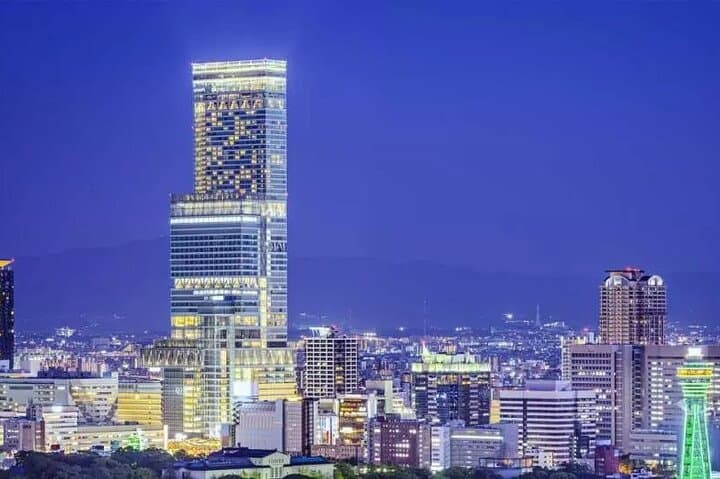

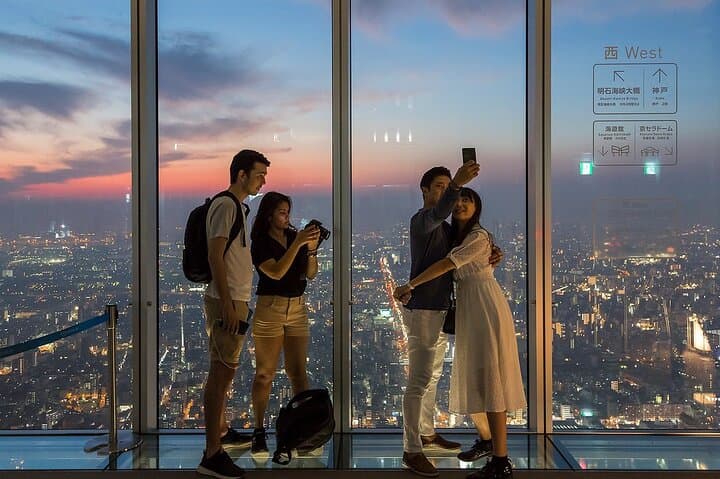
From the open-air plaza on the 58th floor a clean wind dares you to step closer to the city’s edges. Elevators whisper up three dozen floors and deposit you onto a 360° glass deck where Osaka sprawls like an unfolding map — rivers cutting through the plain, the arc of Osaka Bay, and the distant ridgeline of Mount Ikoma and Rokko.
From the open-air plaza on the 58th floor a clean wind dares you to step closer to the city’s edges. Elevators whisper up three dozen floors and deposit you onto a 360° glass deck where Osaka sprawls like an unfolding map — rivers cutting through the plain, the arc of Osaka Bay, and the distant ridgeline of Mount Ikoma and Rokko.
Abeno Harukas opened in 2014 as a Kintetsu development and, at 300 meters, reclaimed a new rooftop for the city. The tower sits on the Osaka Plain, formed by alluvial deposits from the Yodo and other rivers; the visible grid and reclaimed shorelines are a modern layer on top of an ancient delta. Below, Tennoji’s temples and municipal parks mix with department stores and the city’s transport knots — a useful reminder that this view is both cultural lookout and practical orientation point.
For visitors, the observatory splits the experience: daylight clarity for identifying landmarks like Osaka Castle and Universal’s distant silhouette, and evening light shows that animate the glass deck. The Sky Garden 300 restaurant on the 58th floor is a quieter vantage, while the 60th-floor observatory gives unobstructed panoramas.
Practical notes: exchange your e-ticket at the 16F Information Desk, bring photo ID, and choose a sunset slot if you want city lights and color transitions. The facility is wheelchair accessible and best visited on weekday mornings to avoid crowds. Dress in wind-resistant layers for the open plaza, watch reflections on the glass deck when photographing, and favor public transit—Tennoji Station and Osaka Abenobashi are a short walk. Expect a 1–3 hour visit combining view time, photos, and a possible meal.