THE ADVENTURE COLLECTIVE® · Independent discovery and booking for outdoor travel

Cross the Carpathians on a 10-day, women-focused journey from Bucharest through painted monasteries, wooden churches and medieval citadels. This tour pairs cultural immersion with scenic drives and moderated walks—ideal for travelers who want history, craft and mountain views in one itinerary.
Cross the Carpathians on a 10-day, women-focused journey from Bucharest through painted monasteries, wooden churches and medieval citadels. This tour pairs cultural immersion with scenic drives and moderated walks—ideal for travelers who want history, craft and mountain views in one itinerary.
You step off the shuttle into Bucharest’s modest, bustling airport and the city’s layered history pushes at the edges of the road: communist-era blocks give way to elegant Belle Époque façades, and beyond them the Carpathians stand like a folded spine of the country, waiting to be crossed.
Verified experiences and guided adventures in the surrounding area.
Operated by Get a Cluj Tour · Bucharest, Bucharest
You step off the shuttle into Bucharest’s modest, bustling airport and the city’s layered history pushes at the edges of the road: communist-era blocks give way to elegant Belle Époque façades, and beyond them the Carpathians stand like a folded spine of the country, waiting to be crossed.
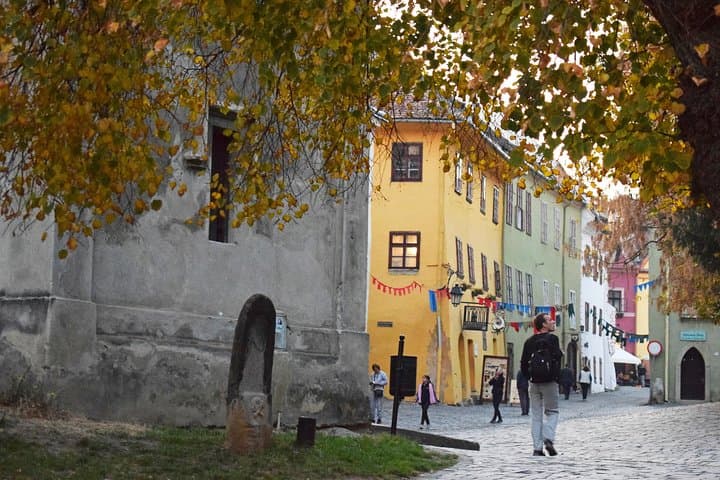
Over ten days this route threads through that spine—Oltenia’s Brâncovenesc monasteries and Horezu pottery, the Gothic bulk of Corvin Castle, the honeycombed salt chambers of Turda, and the rainbow frescoes of Bucovina’s monasteries. In Maramureș the tall wooden churches rise like crafted poems against the fields; in Transylvania, Sighişoara and Brașov keep their medieval street plans and watchtowers intact. Geology matters here: the Carpathians’ limestone and flysch sculpt narrow valleys and caves, while salt deposits created spectacular subterranean chambers that now host visitors.
Culturally, the tour balances living village traditions—egg-painting, pottery, shepherding—with sites shaped by Saxon, Hungarian and Romanian histories. Expect a practical pace: mostly road transfers by private minibus, daily walks through towns and monuments, and nine nights in comfortable 3-star hotels.
Bring sensible footwear and layered clothing for mountain weather; keep cash for rural markets; and plan arrival the day before if you want a relaxed start. Note health cautions: salt mines and some monastic sites can be physically demanding or unsuitable for those with claustrophobia or cardiovascular conditions. Traveling between May and October gives the best weather window for village visits and mountain crossings.
moderate.
10 days.
Suitable for travelers with a moderate level of fitness—daily short to medium walks, some stairs and uneven surfaces in medieval towns and monasteries.
Shared departures during set dates (May–October) are women-only; private bookings can include mixed groups—confirm the booking type when reserving.
The tour includes transportation by private vehicle/minibus and certain admission tickets as noted in the itinerary; check the inclusions list for site-specific entries.
A moderate level of fitness is recommended—expect walking on uneven cobbles, stairs, and short hill climbs; not suitable for people with serious back, heart, or pregnancy-related restrictions.
Shared departures require a minimum number of participants (typically three) to run; if the minimum isn’t met the tour may be canceled—book early and confirm availability at least 72 hours before departure.
Romania’s regions reflect layered rule by Dacians, Romans, Saxon settlers and Ottoman influences; many churches and citadels date to medieval Saxon and Wallachian eras.
Tourism supports local crafts and monastery upkeep, but visitors should minimize waste, respect restricted areas in sanctified sites, and follow local guidelines to reduce erosion on fragile trails.
Get a Cluj Tour operates guided outdoor trips and adventures with an emphasis on safety, stewardship, and memorable experiences.



You step off the shuttle into Bucharest’s modest, bustling airport and the city’s layered history pushes at the edges of the road: communist-era blocks give way to elegant Belle Époque façades, and beyond them the Carpathians stand like a folded spine of the country, waiting to be crossed.
You step off the shuttle into Bucharest’s modest, bustling airport and the city’s layered history pushes at the edges of the road: communist-era blocks give way to elegant Belle Époque façades, and beyond them the Carpathians stand like a folded spine of the country, waiting to be crossed.
Over ten days this route threads through that spine—Oltenia’s Brâncovenesc monasteries and Horezu pottery, the Gothic bulk of Corvin Castle, the honeycombed salt chambers of Turda, and the rainbow frescoes of Bucovina’s monasteries. In Maramureș the tall wooden churches rise like crafted poems against the fields; in Transylvania, Sighişoara and Brașov keep their medieval street plans and watchtowers intact. Geology matters here: the Carpathians’ limestone and flysch sculpt narrow valleys and caves, while salt deposits created spectacular subterranean chambers that now host visitors.
Culturally, the tour balances living village traditions—egg-painting, pottery, shepherding—with sites shaped by Saxon, Hungarian and Romanian histories. Expect a practical pace: mostly road transfers by private minibus, daily walks through towns and monuments, and nine nights in comfortable 3-star hotels.
Bring sensible footwear and layered clothing for mountain weather; keep cash for rural markets; and plan arrival the day before if you want a relaxed start. Note health cautions: salt mines and some monastic sites can be physically demanding or unsuitable for those with claustrophobia or cardiovascular conditions. Traveling between May and October gives the best weather window for village visits and mountain crossings.