THE ADVENTURE COLLECTIVE® · Independent discovery and booking for outdoor travel

Paddle the rocky shoreline of Resurrection Bay, explore a ghost forest, and watch for sea otters and eagles on a full-day kayak and rainforest walk from Seward. This guided outing blends coastal paddling with a picnic beach stop and short rainforest hike.
Paddle the rocky shoreline of Resurrection Bay, explore a ghost forest, and watch for sea otters and eagles on a full-day kayak and rainforest walk from Seward. This guided outing blends coastal paddling with a picnic beach stop and short rainforest hike.
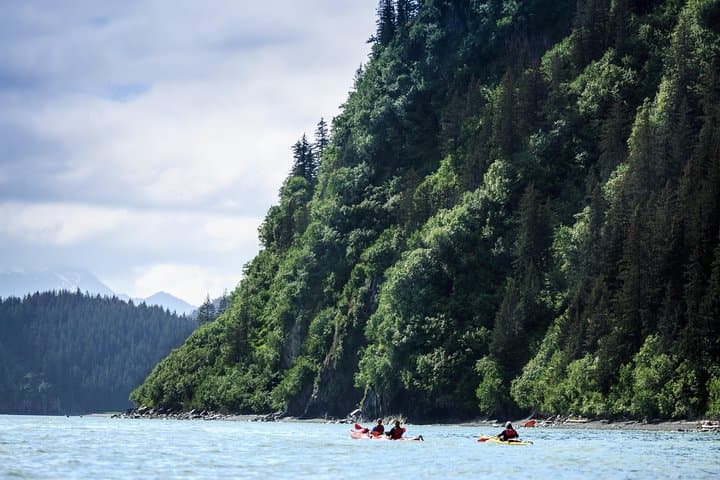
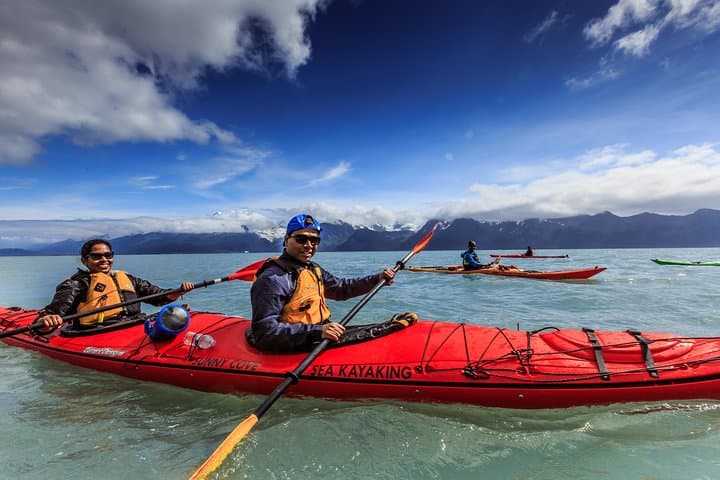
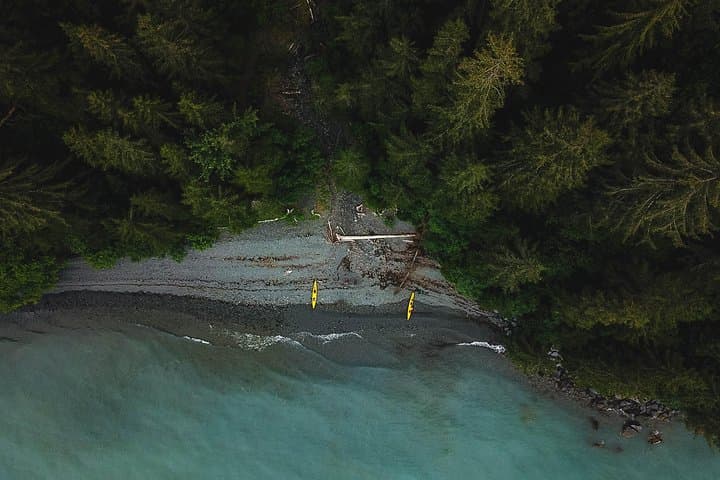
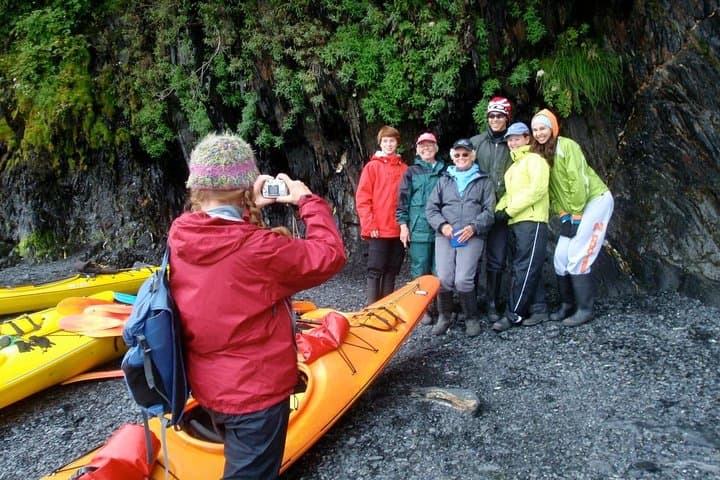
The morning air along Resurrection Bay bites with a clean edge; the water fog lifts in ribbons as a small group unloads two-person kayaks on a private stretch of Lowell Point. Paddles dip quietly, and the shoreline—rocky, steep, framed by jagged ridgelines—unspools like a living map. Sea otters pop up like punctuation; bald eagles wheel above. The beach at Tonsina Point waits with a ghost forest of bleached stumps and a late-season salmon stream that murmurs inland, a place where ocean and temperate rainforest trade breath.
Verified experiences and guided adventures in the surrounding area.
Operated by Sunny Cove Kayaking · Seward, Alaska
The morning air along Resurrection Bay bites with a clean edge; the water fog lifts in ribbons as a small group unloads two-person kayaks on a private stretch of Lowell Point. Paddles dip quietly, and the shoreline—rocky, steep, framed by jagged ridgelines—unspools like a living map. Sea otters pop up like punctuation; bald eagles wheel above. The beach at Tonsina Point waits with a ghost forest of bleached stumps and a late-season salmon stream that murmurs inland, a place where ocean and temperate rainforest trade breath.
This day trip from Seward combines coastal paddling with a short walk through Sitka spruce and alder. The geology here is loud: tide-polished cobble, glacially carved fjords, and the distant fingers of the Harding Icefield peeking between peaks. Tonsina Point’s shoreline was shaped by repeated glaciation and seismic uplift—look for striated rock and terraces where glaciers once ground the land flat before the sea rose again.
Culturally, the waters of Resurrection Bay have long been shared by the Dena’ina Athabascan people and later by fishermen and homesteaders who built lives around the resource-rich sea and streams. Today, small-boat operators and guides interpret those layers for visitors, telling stories about salmon runs, commercial fishing, and the seasonal rhythms that still govern local life.
The rhythm of the outing is deliberate: a guided van ride along Lowell Road, a shoreline briefing, then three to four hours of paddle time that alternates between calm coves and open-water views. Stops include a beach picnic, exploration of the ghost forest, and possibly a waterfall depending on tides and weather. Expect close encounters with marine birds and the possibility of otters and salmon—bring binoculars and patience.
Practicalities matter here. Dress in layers—waterproof outerwear will be issued if needed—but bring a warm base layer and windproof mid-layer. The company supplies two-person kayaks, PFDs, splash jackets, neoprene mitts, and waterproof boots; paddling requires basic upper-body endurance and the ability to sit and paddle for long periods. The trip runs about seven hours, with a light van shuttle from Seward and beach access via gravel Lowell Road. Parking at the Seward pay lot is recommended; avoid the Kenai Fjords Tours lot to evade tickets.
For photographers, low-angle shore shots and late-afternoon light make the ghost forest dramatic. Keep a waterproof camera or case, and always secure gear when on the beach—tides can change fast. Respect wildlife: observe from distance, don’t approach salmon streams during spawning, and follow your guide’s instructions. With proper preparation, the Tonsina Point excursion is an efficient, richly textured way to read the coastline—its history, its animals, and its weathered, glacial bones—on a single Alaskan day trip.
moderate.
6–7 hours.
Moderate—should be able to paddle for several hours and handle short walks on uneven terrain
Participants should be in moderate shape—able to paddle for multiple hours and walk short stretches on uneven trails; tour is suitable for most ages 8+ with the ability to hold a paddle.
Common sightings include sea otters, bald eagles, various seabirds, and seasonal salmon in the tonsina stream; marine mammals like seals are possible but not guaranteed.
Yes—guides supply PFDs, two-person kayaks, waterproof boots, spray jackets and pants if needed, neoprene mitts, and dry bags.
Minimum age is 8 and 50 lb; children must be able to sit and paddle and follow safety instructions.
The operator may cancel for unsafe conditions; the booking policy lists all sales final, and trips can be canceled by the company for bad weather or low participation.
A picnic lunch is provided; notify the operator 24 hours in advance for vegetarian or other dietary needs.
Resurrection Bay and surrounding shorelines have long been used by Indigenous Dena’ina people and later supported fishing and homesteading communities that shaped Seward’s maritime culture.
Guide services emphasize leave-no-trace practices and wildlife-distance rules to protect spawning salmon and sensitive shoreline habitats; sticking to marked paths minimizes streambank erosion.
Sunny Cove Kayaking operates guided outdoor trips and adventures with an emphasis on safety, stewardship, and memorable experiences.
The morning air along Resurrection Bay bites with a clean edge; the water fog lifts in ribbons as a small group unloads two-person kayaks on a private stretch of Lowell Point. Paddles dip quietly, and the shoreline—rocky, steep, framed by jagged ridgelines—unspools like a living map. Sea otters pop up like punctuation; bald eagles wheel above. The beach at Tonsina Point waits with a ghost forest of bleached stumps and a late-season salmon stream that murmurs inland, a place where ocean and temperate rainforest trade breath.
The morning air along Resurrection Bay bites with a clean edge; the water fog lifts in ribbons as a small group unloads two-person kayaks on a private stretch of Lowell Point. Paddles dip quietly, and the shoreline—rocky, steep, framed by jagged ridgelines—unspools like a living map. Sea otters pop up like punctuation; bald eagles wheel above. The beach at Tonsina Point waits with a ghost forest of bleached stumps and a late-season salmon stream that murmurs inland, a place where ocean and temperate rainforest trade breath.
This day trip from Seward combines coastal paddling with a short walk through Sitka spruce and alder. The geology here is loud: tide-polished cobble, glacially carved fjords, and the distant fingers of the Harding Icefield peeking between peaks. Tonsina Point’s shoreline was shaped by repeated glaciation and seismic uplift—look for striated rock and terraces where glaciers once ground the land flat before the sea rose again.
Culturally, the waters of Resurrection Bay have long been shared by the Dena’ina Athabascan people and later by fishermen and homesteaders who built lives around the resource-rich sea and streams. Today, small-boat operators and guides interpret those layers for visitors, telling stories about salmon runs, commercial fishing, and the seasonal rhythms that still govern local life.
The rhythm of the outing is deliberate: a guided van ride along Lowell Road, a shoreline briefing, then three to four hours of paddle time that alternates between calm coves and open-water views. Stops include a beach picnic, exploration of the ghost forest, and possibly a waterfall depending on tides and weather. Expect close encounters with marine birds and the possibility of otters and salmon—bring binoculars and patience.
Practicalities matter here. Dress in layers—waterproof outerwear will be issued if needed—but bring a warm base layer and windproof mid-layer. The company supplies two-person kayaks, PFDs, splash jackets, neoprene mitts, and waterproof boots; paddling requires basic upper-body endurance and the ability to sit and paddle for long periods. The trip runs about seven hours, with a light van shuttle from Seward and beach access via gravel Lowell Road. Parking at the Seward pay lot is recommended; avoid the Kenai Fjords Tours lot to evade tickets.
For photographers, low-angle shore shots and late-afternoon light make the ghost forest dramatic. Keep a waterproof camera or case, and always secure gear when on the beach—tides can change fast. Respect wildlife: observe from distance, don’t approach salmon streams during spawning, and follow your guide’s instructions. With proper preparation, the Tonsina Point excursion is an efficient, richly textured way to read the coastline—its history, its animals, and its weathered, glacial bones—on a single Alaskan day trip.