THE ADVENTURE COLLECTIVE® · Independent discovery and booking for outdoor travel

A practical guide to using the Ketetahi Park & Ride for the Tongariro Alpine Crossing. Learn what to expect on the trail, local history and essential shuttle logistics before you go.
A practical guide to using the Ketetahi Park & Ride for the Tongariro Alpine Crossing. Learn what to expect on the trail, local history and essential shuttle logistics before you go.
A cold wind pushes across the volcanic saddle as you step from the bus at Ketetahi, boots settling on scoria and packed earth. The car park at the end of the Crossing feels like a sending-off and a welcome — cars clustered, walkers stretching, the desert road humming behind. Ahead lie the jagged teeth of Red Crater and the mineral-bright bowls of the Emerald and Blue Lakes; behind, the long walk back to your vehicle.
Verified experiences and guided adventures in the surrounding area.
Operated by Tongariro Expeditions · National Park Village, Manawatu-Wanganui
A cold wind pushes across the volcanic saddle as you step from the bus at Ketetahi, boots settling on scoria and packed earth. The car park at the end of the Crossing feels like a sending-off and a welcome — cars clustered, walkers stretching, the desert road humming behind. Ahead lie the jagged teeth of Red Crater and the mineral-bright bowls of the Emerald and Blue Lakes; behind, the long walk back to your vehicle.
The Crossing threads through land given to the nation by Ngāti Tūwharetoa in the late 19th century, creating New Zealand’s first national park. Geology here is live: recent lava flows, ash fans and active craters trace a landscape still shaped by heat and eruption. Culturally, the mountains are wāhi tapu — treat routes and viewpoints with respect and follow ranger guidance.
Practicalities frame the experience. Ketetahi Park & Ride operates as an end-of-track parking and shuttle hub with maps, weather briefings and an afternoon complimentary shuttle to collect cars between 1–5pm. Expect 19–20 km of mixed terrain, 6–8 hours on foot, exposed ridgelines and loose volcanic scree. Dress in layers, carry waterproofs and at least 2–3 litres of water, and plan according to the day’s wind and cloud ceiling.
The service is ideal for walkers who prefer a one-way logistics solution — it removes the two-car shuffle and gives you expert local intel before you leave. Respect the fragile alpine vegetation, stick to formed track, and factor extra time for sudden weather shifts: the mountain always has the final word.
challenging.
6–8 hours.
You should have a high level of fitness and prior full-day hike experience; be comfortable on loose scree and exposed ridgelines.
The Park & Ride operates at the Ketetahi end of the Crossing; it provides a morning transfer for walkers and a complimentary afternoon shuttle (1–5pm) back to parked cars.
The one-way route is about 19–20 km and typically takes 6–8 hours depending on fitness, weather and stops.
Not recommended for those without good fitness or for very young children; the route includes exposed ridgelines and loose volcanic terrain.
Shuttles may be canceled in bad weather; check forecasts and operator notices — bookings are refundable if canceled at least 24 hours in advance under the stated policy.
Tongariro National Park was gifted to the nation by Ngāti Tūwharetoa in 1887 and is one of the world’s earliest national parks with strong Māori cultural connections.
Stay on the marked track to protect fragile alpine plants; pack out all rubbish and avoid taking stones or vegetation — the high-alpine ecosystem is slow to recover.
Tongariro Expeditions operates guided outdoor trips and adventures with an emphasis on safety, stewardship, and memorable experiences.
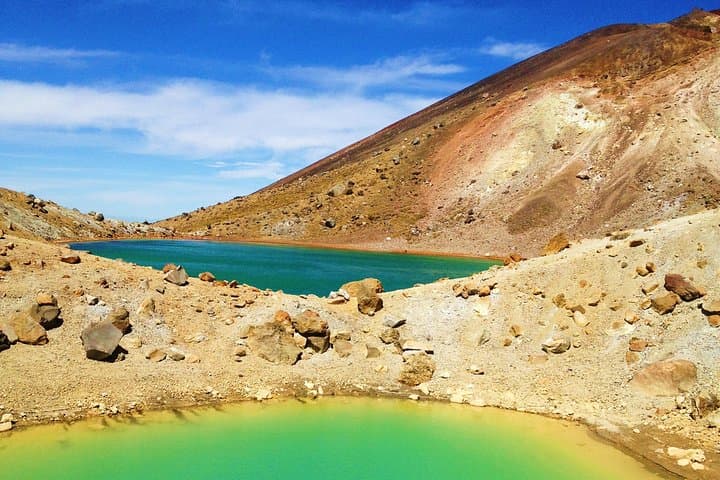
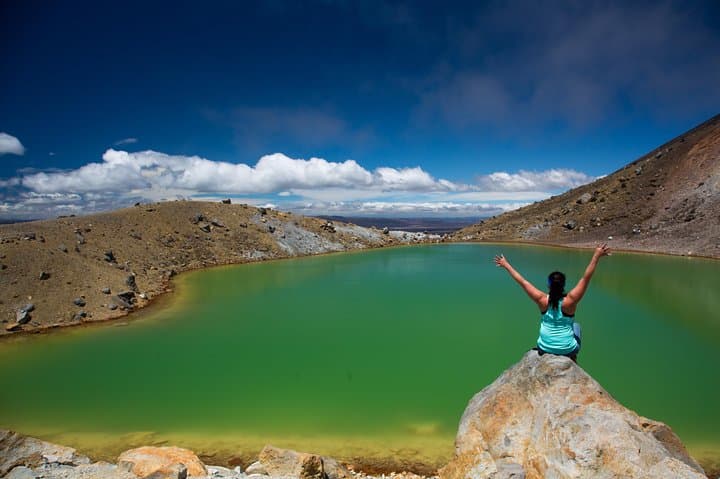
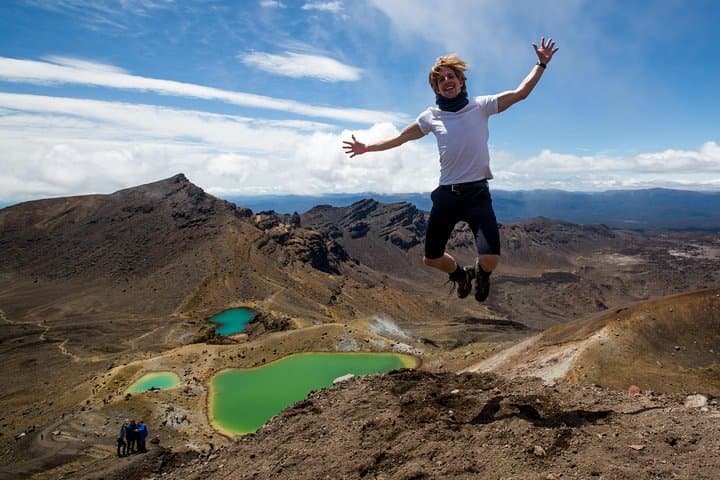
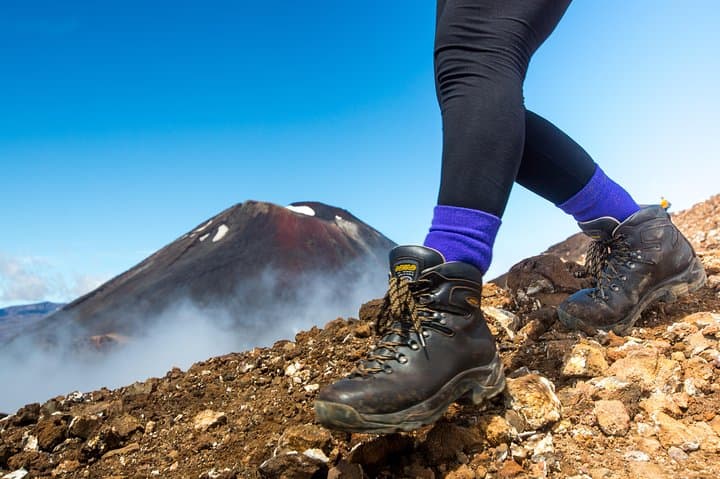
A cold wind pushes across the volcanic saddle as you step from the bus at Ketetahi, boots settling on scoria and packed earth. The car park at the end of the Crossing feels like a sending-off and a welcome — cars clustered, walkers stretching, the desert road humming behind. Ahead lie the jagged teeth of Red Crater and the mineral-bright bowls of the Emerald and Blue Lakes; behind, the long walk back to your vehicle.
A cold wind pushes across the volcanic saddle as you step from the bus at Ketetahi, boots settling on scoria and packed earth. The car park at the end of the Crossing feels like a sending-off and a welcome — cars clustered, walkers stretching, the desert road humming behind. Ahead lie the jagged teeth of Red Crater and the mineral-bright bowls of the Emerald and Blue Lakes; behind, the long walk back to your vehicle.
The Crossing threads through land given to the nation by Ngāti Tūwharetoa in the late 19th century, creating New Zealand’s first national park. Geology here is live: recent lava flows, ash fans and active craters trace a landscape still shaped by heat and eruption. Culturally, the mountains are wāhi tapu — treat routes and viewpoints with respect and follow ranger guidance.
Practicalities frame the experience. Ketetahi Park & Ride operates as an end-of-track parking and shuttle hub with maps, weather briefings and an afternoon complimentary shuttle to collect cars between 1–5pm. Expect 19–20 km of mixed terrain, 6–8 hours on foot, exposed ridgelines and loose volcanic scree. Dress in layers, carry waterproofs and at least 2–3 litres of water, and plan according to the day’s wind and cloud ceiling.
The service is ideal for walkers who prefer a one-way logistics solution — it removes the two-car shuffle and gives you expert local intel before you leave. Respect the fragile alpine vegetation, stick to formed track, and factor extra time for sudden weather shifts: the mountain always has the final word.