THE ADVENTURE COLLECTIVE® · Independent discovery and booking for outdoor travel

Explore Tomar’s Templar past, stroll the green Mouchão garden and taste traditional tapas on a 90–120 minute guided walk. This compact tour pairs history, architecture and local flavors in the heart of the city.
Explore Tomar’s Templar past, stroll the green Mouchão garden and taste traditional tapas on a 90–120 minute guided walk. This compact tour pairs history, architecture and local flavors in the heart of the city.
The walk begins in Várzea Grande where the city's limestone streets open like pages of a weathered book; sunlight slides off red-tile roofs and the Nabão River dares you to follow its course through town. From the first steps you face the mass of Saint Mary—once a cathedral—and feel centuries of civic life folded into narrow alleys.
Verified experiences and guided adventures in the surrounding area.
Operated by Open Roads Portugal · Tomar, Santarém
The walk begins in Várzea Grande where the city's limestone streets open like pages of a weathered book; sunlight slides off red-tile roofs and the Nabão River dares you to follow its course through town. From the first steps you face the mass of Saint Mary—once a cathedral—and feel centuries of civic life folded into narrow alleys.
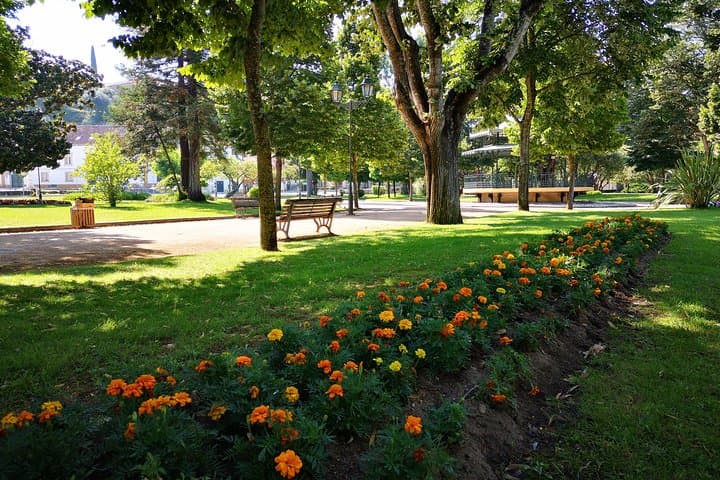
Tomar grew around the Knights Templar and the Convent of Christ; geology here is soft Cretaceous limestone cut by the Nabão, which shaped mills, wheels and channels. Culture shows in corner windows of medieval houses and in the old Jewish quarter, where stone steps keep the rhythm of 15th‑century trade and faith. The Mouchão garden interrupts the urban pulse with a green ellipse and the Mouchão Wheel, a local relic that hints at water’s central role in powering industry and ritual.
On this 90–120 minute walk you’ll hear Templar and Jewish history, get a close look at Saint Iria’s convent viewpoint, and enter the narrow synagogue lane before finishing in the main square for a traditional tapas degustation. Guides point out architectural details—the corner windows, aqueduct fragments, and water channels—that most visitors miss.
Practical: wear sturdy walking shoes and bring a light layer; mornings or late afternoons are cooler and less crowded. The route is flat, wheelchair-accessible in most parts, and suitable for varied fitness levels; expect cobbles and short stair sections. Bring a refillable bottle, some cash for extra tastings, and a camera—Tomar rewards slow attention.
easy.
1.5–2 hours.
Suitable for most fitness levels; requires walking on cobbles and a few short stair sections but no sustained climbs.
Most areas on the route are wheelchair accessible and transportation options noted by the operator are accessible; inform the guide of needs when booking.
This walking tour covers viewpoints and exterior history of the Templar sites but does not include interior admission to the Convent of Christ; separate tickets are required.
A traditional tapas degustation is included in the tour price; additional food or drinks are paid by participants.
Shared tours are capped at about 15 travelers, providing a small-group feel and time for questions.
Tomar developed as a Templar stronghold in the 12th century and later became a center for Portuguese navigational and religious power under the Order of Christ.
Water management shaped Tomar historically; today local groups monitor the Nabão’s water quality and protect historic riverside structures.
Open Roads Portugal operates guided outdoor trips and adventures with an emphasis on safety, stewardship, and memorable experiences.
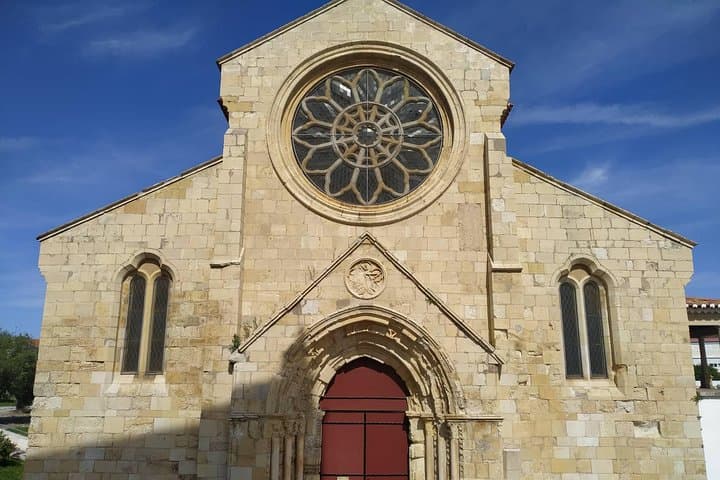
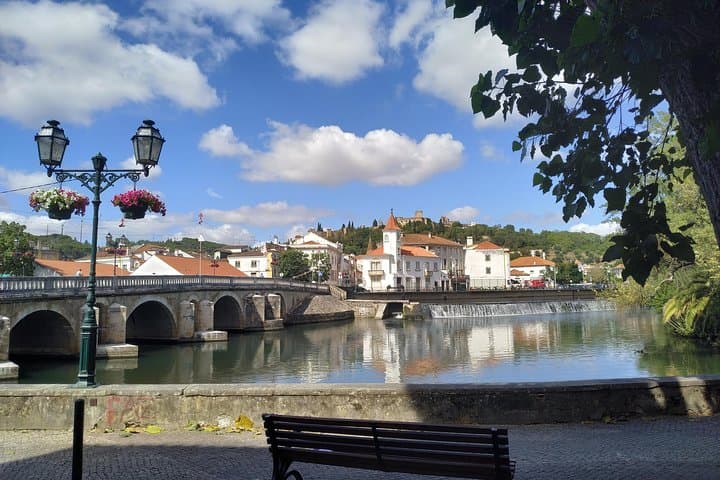
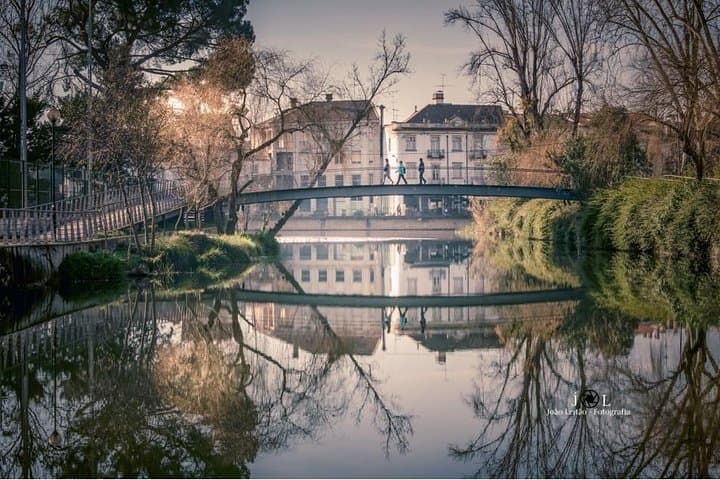
The walk begins in Várzea Grande where the city's limestone streets open like pages of a weathered book; sunlight slides off red-tile roofs and the Nabão River dares you to follow its course through town. From the first steps you face the mass of Saint Mary—once a cathedral—and feel centuries of civic life folded into narrow alleys.
The walk begins in Várzea Grande where the city's limestone streets open like pages of a weathered book; sunlight slides off red-tile roofs and the Nabão River dares you to follow its course through town. From the first steps you face the mass of Saint Mary—once a cathedral—and feel centuries of civic life folded into narrow alleys.
Tomar grew around the Knights Templar and the Convent of Christ; geology here is soft Cretaceous limestone cut by the Nabão, which shaped mills, wheels and channels. Culture shows in corner windows of medieval houses and in the old Jewish quarter, where stone steps keep the rhythm of 15th‑century trade and faith. The Mouchão garden interrupts the urban pulse with a green ellipse and the Mouchão Wheel, a local relic that hints at water’s central role in powering industry and ritual.
On this 90–120 minute walk you’ll hear Templar and Jewish history, get a close look at Saint Iria’s convent viewpoint, and enter the narrow synagogue lane before finishing in the main square for a traditional tapas degustation. Guides point out architectural details—the corner windows, aqueduct fragments, and water channels—that most visitors miss.
Practical: wear sturdy walking shoes and bring a light layer; mornings or late afternoons are cooler and less crowded. The route is flat, wheelchair-accessible in most parts, and suitable for varied fitness levels; expect cobbles and short stair sections. Bring a refillable bottle, some cash for extra tastings, and a camera—Tomar rewards slow attention.