THE ADVENTURE COLLECTIVE® · Independent discovery and booking for outdoor travel

Explore Ueno’s cultural core and Yanaka’s old-town streets on a three-hour walking tour that pairs museums and shrines with neighborhood shops and seasonal park scenery. Ideal for a morning or late-afternoon stroll, this route highlights Tokyo’s historical layers and quiet urban nature.
Explore Ueno’s cultural core and Yanaka’s old-town streets on a three-hour walking tour that pairs museums and shrines with neighborhood shops and seasonal park scenery. Ideal for a morning or late-afternoon stroll, this route highlights Tokyo’s historical layers and quiet urban nature.
You step out of Ueno Station and the city shifts its rhythm—the wide paths of Ueno Park breathe green air into the metropolitan grid while a pond slides like a cool mirror under low bridges.
Verified experiences and guided adventures in the surrounding area.
Operated by InsideOutJapan · Tokyo, Tokyo
You step out of Ueno Station and the city shifts its rhythm—the wide paths of Ueno Park breathe green air into the metropolitan grid while a pond slides like a cool mirror under low bridges.
This three-hour walking tour threads from Ueno’s museum-lined avenues into the quieter lanes of Yanaka, where wooden houses lean close and neighborhood shops sell snacks still made by hand. Ueno Park, created on low-lying fills of the Kanto plain, combines Meiji-era museums with shinier postwar facades; nearby Shinobazu Pond recalls the marshy ground that once dominated the area.
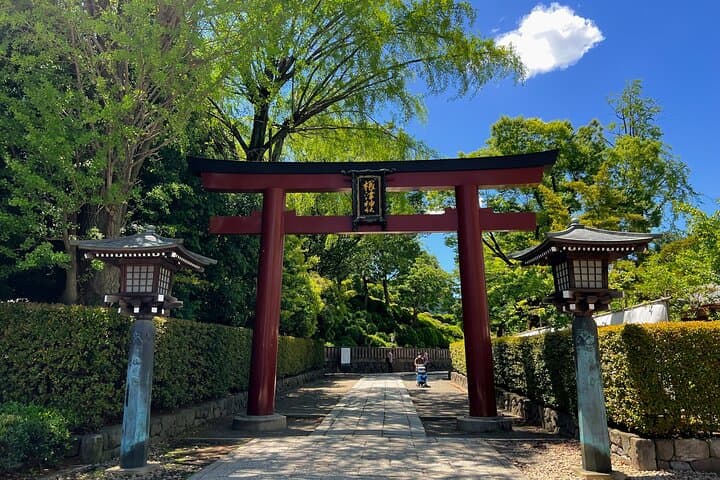
Yanaka preserves a small-city feel in Tokyo: narrow alleys, family-run potteries and temples such as Nezu Shrine with its vermilion gates and quiet mossed stone. The old graveyard paths of Yanaka Cemetery read like a seasonal calendar—cherry blossoms overhead in spring, amber leaves underfoot in autumn.
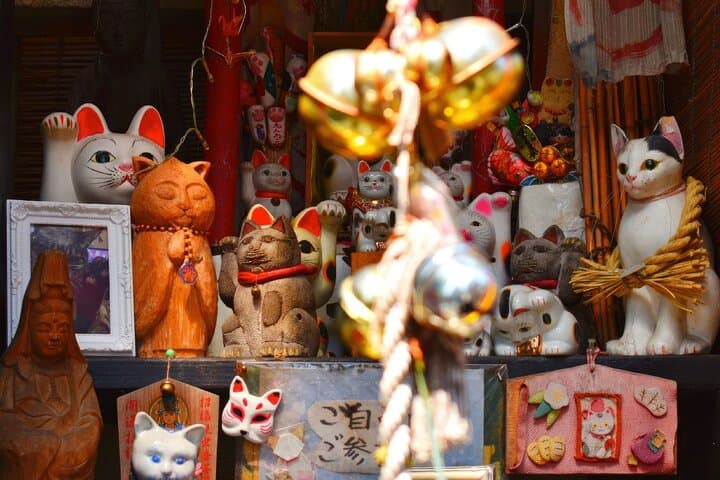
Culturally this route spans Edo intimacy and modern civic life: artists’ workshops, local shrines, and the steady commerce of Yanaka Ginza. Expect street-level encounters with artisans, temple rituals, and a mix of urban birdlife near ponds.
Practically, plan for three hours of mostly flat walking on paved streets and compacted paths. Morning light highlights shrines; late afternoon softens the shopping street. Bring a light rain layer (tours run in light rain), comfortable shoes for cobblestones and curbs, and small cash for food stalls. Hydrate, keep respectful noise levels at sacred sites, and allow time to duck into a café—these neighborhoods reward slow attention.
easy.
2–3 hours.
Suitable for most fitness levels; requires steady walking on mostly flat terrain.
No—this walking tour visits public areas and exterior views; museum entries and shrine donations are paid separately.
Much of the route is on paved paths and streets, but some temple grounds and narrow alleys may be uneven—contact the operator for accessibility options.
The listed guide speaks English or Italian; check booking details for language confirmation.
Tours proceed in light rain; in major storms the operator will notify you about cancellations and refund options per their policy.
The Ueno–Yanaka corridor reflects Tokyo’s shift from Edo-period temple towns to Meiji civic institutions, with pockets that retained prewar neighborhood character.
These neighborhoods emphasize low-impact visitation—use public trash and recycling where available, avoid leaving offerings on grounds, and keep noise levels low to protect wildlife and shrine ambiance.
InsideOutJapan operates guided outdoor trips and adventures with an emphasis on safety, stewardship, and memorable experiences.


You step out of Ueno Station and the city shifts its rhythm—the wide paths of Ueno Park breathe green air into the metropolitan grid while a pond slides like a cool mirror under low bridges.
You step out of Ueno Station and the city shifts its rhythm—the wide paths of Ueno Park breathe green air into the metropolitan grid while a pond slides like a cool mirror under low bridges.
This three-hour walking tour threads from Ueno’s museum-lined avenues into the quieter lanes of Yanaka, where wooden houses lean close and neighborhood shops sell snacks still made by hand. Ueno Park, created on low-lying fills of the Kanto plain, combines Meiji-era museums with shinier postwar facades; nearby Shinobazu Pond recalls the marshy ground that once dominated the area.
Yanaka preserves a small-city feel in Tokyo: narrow alleys, family-run potteries and temples such as Nezu Shrine with its vermilion gates and quiet mossed stone. The old graveyard paths of Yanaka Cemetery read like a seasonal calendar—cherry blossoms overhead in spring, amber leaves underfoot in autumn.
Culturally this route spans Edo intimacy and modern civic life: artists’ workshops, local shrines, and the steady commerce of Yanaka Ginza. Expect street-level encounters with artisans, temple rituals, and a mix of urban birdlife near ponds.
Practically, plan for three hours of mostly flat walking on paved streets and compacted paths. Morning light highlights shrines; late afternoon softens the shopping street. Bring a light rain layer (tours run in light rain), comfortable shoes for cobblestones and curbs, and small cash for food stalls. Hydrate, keep respectful noise levels at sacred sites, and allow time to duck into a café—these neighborhoods reward slow attention.