THE ADVENTURE COLLECTIVE® · Independent discovery and booking for outdoor travel

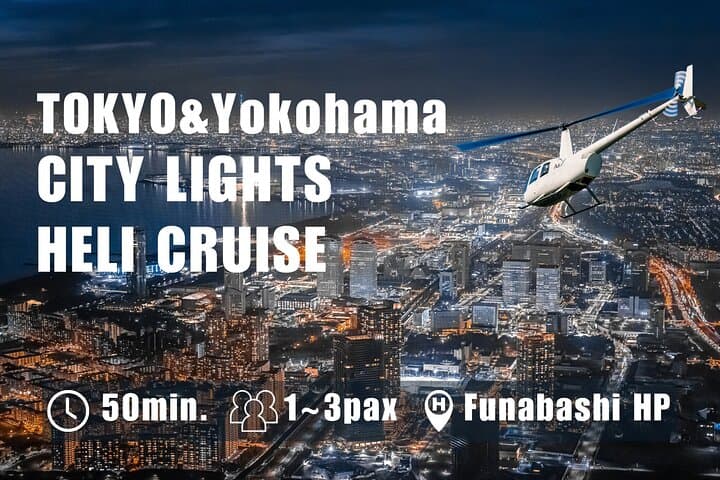
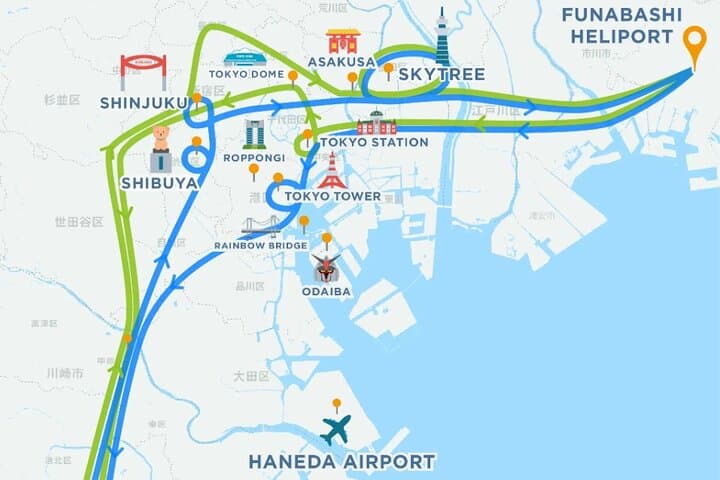
Lift above Tokyo Bay after dark for a 50‑minute flight past Tokyo Skytree, Tokyo Tower, Rainbow Bridge and Yokohama Harbor. This private helicopter run from Funabashi Heliport pairs dramatic city lights with practical constraints—weight limits, weather cancellations and a short ground transfer.
Lift above Tokyo Bay after dark for a 50‑minute flight past Tokyo Skytree, Tokyo Tower, Rainbow Bridge and Yokohama Harbor. This private helicopter run from Funabashi Heliport pairs dramatic city lights with practical constraints—weight limits, weather cancellations and a short ground transfer.
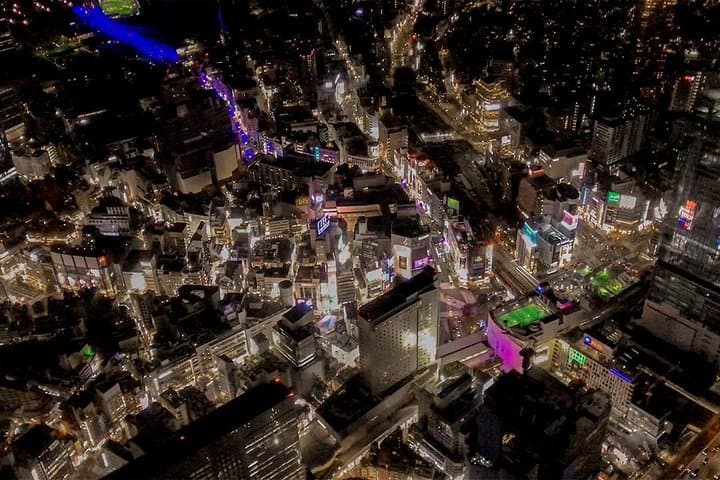
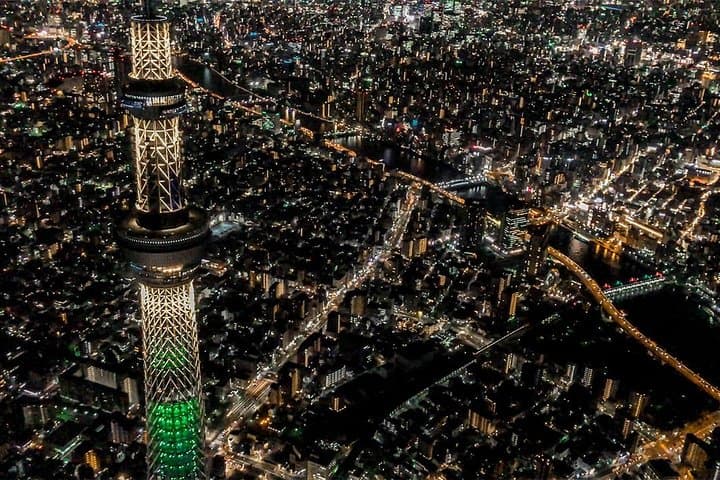
The city unfolds below like a living map of light; Tokyo Skytree pins a pale needle into the night while Rainbow Bridge arcs across the bay, glowing. From the helipad at Funabashi Heliport you lift over Tokyo Bay and the urban fringe, engines humming, and the familiar geometry of streets and waterways slides beneath the rotor wake. In clear weather the illuminated skyline reads like a history of modern Japan—Shinjuku’s skyscrapers cluster like a new-era citadel, Yokohama’s harbor lights sketch the city that opened the country to global trade.
Verified experiences and guided adventures in the surrounding area.
Operated by AIROS Skyview Tokyo Helicopter Tours (ヘリコプター遊覧飛行) · Funabashi, Chiba
The city unfolds below like a living map of light; Tokyo Skytree pins a pale needle into the night while Rainbow Bridge arcs across the bay, glowing. From the helipad at Funabashi Heliport you lift over Tokyo Bay and the urban fringe, engines humming, and the familiar geometry of streets and waterways slides beneath the rotor wake. In clear weather the illuminated skyline reads like a history of modern Japan—Shinjuku’s skyscrapers cluster like a new-era citadel, Yokohama’s harbor lights sketch the city that opened the country to global trade.
This flight threads modern engineering and coastal geology: reclaimed bayside land, navigational channels, and port infrastructure shaped Yokohama’s rise since the Meiji era, while Tokyo Tower and Skytree mark different chapters in broadcast and city planning. Nighttime makes the urban fabric legible—bridges, towers and cargo lights reveal the human rhythms that animate the shore.
Practical details matter: the advertised sightseeing segment is roughly 50 minutes of flight time within a 90-minute booking window to allow check-in and safety briefings. Departures from Funabashi Heliport are a short taxi from Funabashi Station. Max three passengers per aircraft; weight limits apply (120 kg per passenger, 220 kg per flight). Infants must sit on laps but infant seats are available. Tours are weather-dependent—expect cancellations for rain, low ceilings or high winds and a full refund if the operator cancels.
For best sightlines book clear nights, bring a camera with a fast lens, and plan ground transport to and from Funabashi; the skyline is spectacular, but visibility makes or breaks the view.
easy.
90 minutes (≈50 minutes flight).
No special fitness required—suitable for most travelers who can sit in a confined space
Flight time is about 50 minutes of aerial sightseeing within a 90‑minute booking window that includes briefings and boarding.
Departures are from Funabashi Heliport; it’s roughly a 15‑minute taxi from Funabashi Station—allow extra time for traffic.
Yes—maximum 120 kg per passenger and 220 kg total per flight; the aircraft carries up to three passengers per booking.
Flights will be canceled for poor visibility, high winds, or other flight-safety concerns; operators offer a full refund or rebooking.
Yokohama’s waterfront expanded rapidly after the port opened in 1859; the skyline visible tonight grew alongside Japan’s industrial and media revolutions.
Night flights avoid natural habitats, but operators limit routes and adhere to aviation noise rules; always follow weight and safety guidelines to reduce aborted flights and fuel waste.
AIROS Skyview Tokyo Helicopter Tours (ヘリコプター遊覧飛行) operates guided outdoor trips and adventures with an emphasis on safety, stewardship, and memorable experiences.
The city unfolds below like a living map of light; Tokyo Skytree pins a pale needle into the night while Rainbow Bridge arcs across the bay, glowing. From the helipad at Funabashi Heliport you lift over Tokyo Bay and the urban fringe, engines humming, and the familiar geometry of streets and waterways slides beneath the rotor wake. In clear weather the illuminated skyline reads like a history of modern Japan—Shinjuku’s skyscrapers cluster like a new-era citadel, Yokohama’s harbor lights sketch the city that opened the country to global trade.
The city unfolds below like a living map of light; Tokyo Skytree pins a pale needle into the night while Rainbow Bridge arcs across the bay, glowing. From the helipad at Funabashi Heliport you lift over Tokyo Bay and the urban fringe, engines humming, and the familiar geometry of streets and waterways slides beneath the rotor wake. In clear weather the illuminated skyline reads like a history of modern Japan—Shinjuku’s skyscrapers cluster like a new-era citadel, Yokohama’s harbor lights sketch the city that opened the country to global trade.
This flight threads modern engineering and coastal geology: reclaimed bayside land, navigational channels, and port infrastructure shaped Yokohama’s rise since the Meiji era, while Tokyo Tower and Skytree mark different chapters in broadcast and city planning. Nighttime makes the urban fabric legible—bridges, towers and cargo lights reveal the human rhythms that animate the shore.
Practical details matter: the advertised sightseeing segment is roughly 50 minutes of flight time within a 90-minute booking window to allow check-in and safety briefings. Departures from Funabashi Heliport are a short taxi from Funabashi Station. Max three passengers per aircraft; weight limits apply (120 kg per passenger, 220 kg per flight). Infants must sit on laps but infant seats are available. Tours are weather-dependent—expect cancellations for rain, low ceilings or high winds and a full refund if the operator cancels.
For best sightlines book clear nights, bring a camera with a fast lens, and plan ground transport to and from Funabashi; the skyline is spectacular, but visibility makes or breaks the view.