THE ADVENTURE COLLECTIVE® · Independent discovery and booking for outdoor travel

Wend through Tsukiji’s alleys with a local guide to taste sushi, wagyu, seasonal fruit, and learn market customs. This three-hour walking tour pairs fresh bites with cultural context and practical tips to eat like a local.
Wend through Tsukiji’s alleys with a local guide to taste sushi, wagyu, seasonal fruit, and learn market customs. This three-hour walking tour pairs fresh bites with cultural context and practical tips to eat like a local.
The market wakes before the city — fluorescent lights hum, wooden stalls crackle, and the smell of brine and seared fat threads through narrow alleys. You step from the street into a maze where knives flash like practiced language and vendors call out offerings as naturally as breath. The guide leads, translating gestures and stories where language once stood between you and the food.
Verified experiences and guided adventures in the surrounding area.
Operated by 38TOURS · Tokyo, Tokyo
The market wakes before the city — fluorescent lights hum, wooden stalls crackle, and the smell of brine and seared fat threads through narrow alleys. You step from the street into a maze where knives flash like practiced language and vendors call out offerings as naturally as breath. The guide leads, translating gestures and stories where language once stood between you and the food.
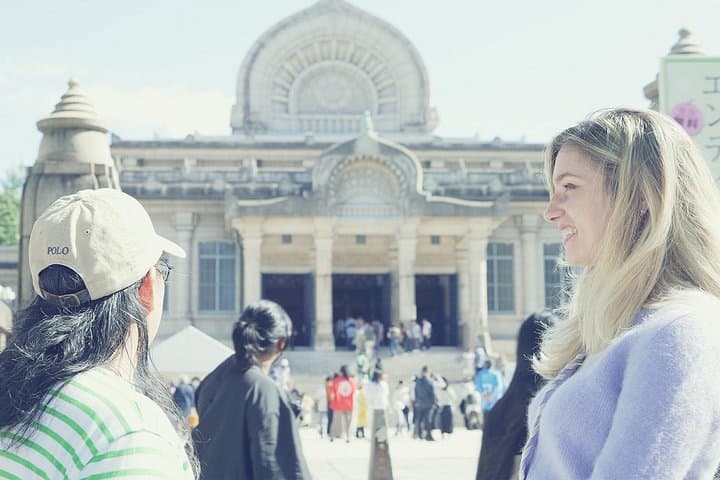
Tsukiji’s outer market sits on land shaped by Tokyo Bay’s currents and decades of trade; while the inner wholesale moved to Toyosu in 2018, the Jogai stalls preserve an older market rhythm. Shrines and the modernist form of Tsukiji Hongwanji punctuate the area, reminding visitors that commerce and ritual have long shared these lanes. Expect conversations about knife-making, seasonal fish runs, and the etiquette that governs how Tokyoans buy and eat.
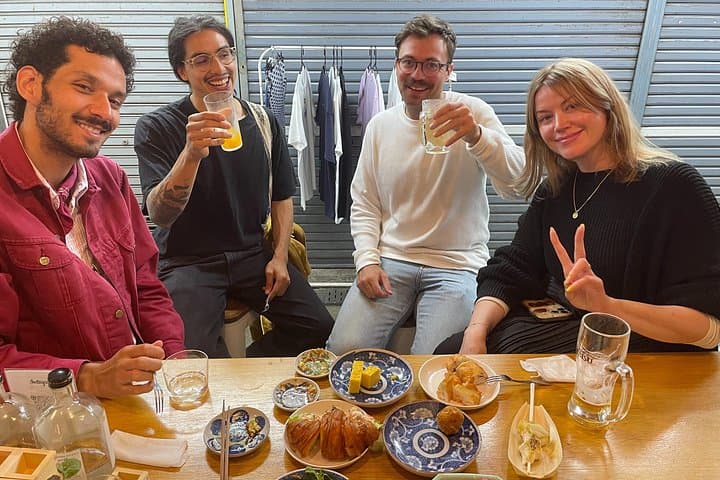
The tour mixes tasting and context: sushi counters serving tuna cut the way generations prefer, wagyu skewers caramelizing over coals, jewel-like fruit in their peak season. Your guide helps you choose lunch at a tucked-away kiosk, explains table manners, and offers survival Japanese phrases that make vendors smile. The experience is personal and practical — a sequence of short, sensory stops rather than one long sit-down meal.
Practical notes: come with comfortable shoes, some cash for small stalls, and an appetite for bold flavors and crowded spaces. Inform the operator of allergies or dietary needs when booking; the group size is small, the pace steady, and the payoff is direct access to vendors and stories you wouldn’t find alone.
easy.
3 hours.
Able to walk and stand for 2–3 hours on flat, crowded surfaces; casual fitness is sufficient.
The meeting point is at Tsukiji Hongwanji Temple or the operator’s hub noted on your voucher; the tour is approximately three hours.
Yes — specify vegetarian, gluten-free, or allergy needs when booking and the guide will adjust tastings and recommend suitable stalls.
The tour notes wheelchair and stroller accessibility, but some narrow aisles may be crowded; contact the operator to confirm specifics for mobility needs.
Tipping is not customary in Japan; modest purchases at stalls and a clear thank-you to guides are the norm; you can support vendors by buying directly.
Tsukiji grew into Tokyo’s primary fish market in the 20th century; while the inner wholesale market moved to Toyosu in 2018, the outer Jogai market preserves the area’s merchant culture and street-food traditions.
Ask vendors about sourcing and favor sustainably labeled seafood; reduce waste by declining single-use chopsticks or bags and support businesses that minimize plastic.
38TOURS operates guided outdoor trips and adventures with an emphasis on safety, stewardship, and memorable experiences.
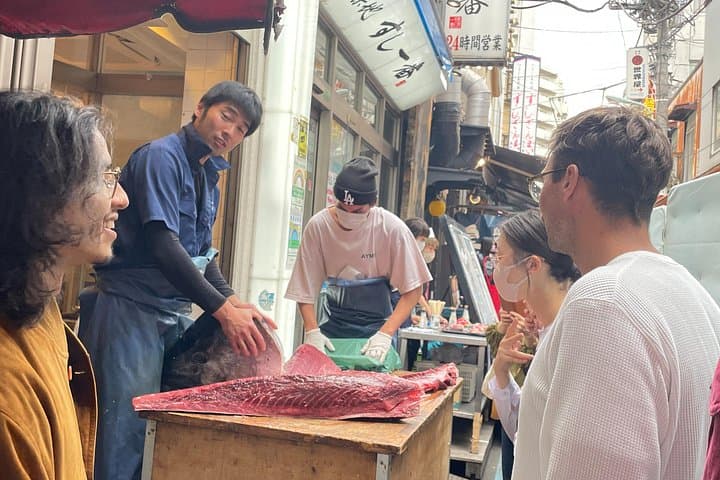
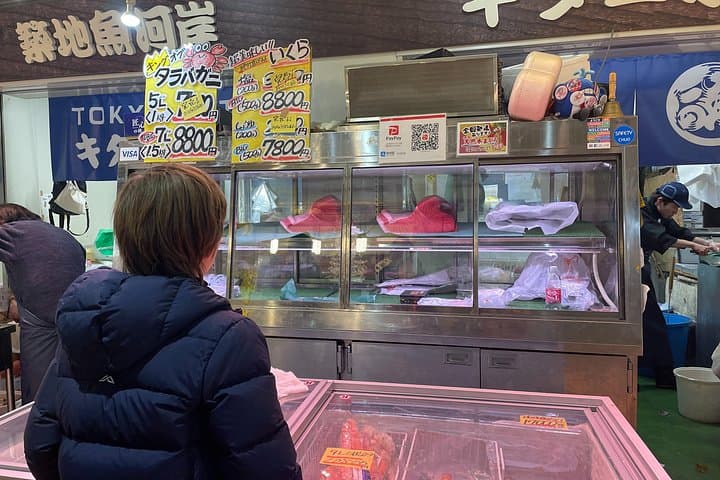
The market wakes before the city — fluorescent lights hum, wooden stalls crackle, and the smell of brine and seared fat threads through narrow alleys. You step from the street into a maze where knives flash like practiced language and vendors call out offerings as naturally as breath. The guide leads, translating gestures and stories where language once stood between you and the food.
The market wakes before the city — fluorescent lights hum, wooden stalls crackle, and the smell of brine and seared fat threads through narrow alleys. You step from the street into a maze where knives flash like practiced language and vendors call out offerings as naturally as breath. The guide leads, translating gestures and stories where language once stood between you and the food.
Tsukiji’s outer market sits on land shaped by Tokyo Bay’s currents and decades of trade; while the inner wholesale moved to Toyosu in 2018, the Jogai stalls preserve an older market rhythm. Shrines and the modernist form of Tsukiji Hongwanji punctuate the area, reminding visitors that commerce and ritual have long shared these lanes. Expect conversations about knife-making, seasonal fish runs, and the etiquette that governs how Tokyoans buy and eat.
The tour mixes tasting and context: sushi counters serving tuna cut the way generations prefer, wagyu skewers caramelizing over coals, jewel-like fruit in their peak season. Your guide helps you choose lunch at a tucked-away kiosk, explains table manners, and offers survival Japanese phrases that make vendors smile. The experience is personal and practical — a sequence of short, sensory stops rather than one long sit-down meal.
Practical notes: come with comfortable shoes, some cash for small stalls, and an appetite for bold flavors and crowded spaces. Inform the operator of allergies or dietary needs when booking; the group size is small, the pace steady, and the payoff is direct access to vendors and stories you wouldn’t find alone.