THE ADVENTURE COLLECTIVE® · Independent discovery and booking for outdoor travel

Ascend Tokyo Tower’s observation decks for compact, panoramic views of Tokyo — from Shiba Park rooftops to the distant silhouette of Mount Fuji. This guide covers what you’ll see, when to go, and practical tips to make the most of a 1–2 hour visit.
Ascend Tokyo Tower’s observation decks for compact, panoramic views of Tokyo — from Shiba Park rooftops to the distant silhouette of Mount Fuji. This guide covers what you’ll see, when to go, and practical tips to make the most of a 1–2 hour visit.
The elevator rises and the city thins into a grid of glass and light; at 150 meters the hum of Tokyo becomes a pattern you can read, and at 250 meters the skyline stretches like a living map. From Tokyo Tower’s Main Deck and optional Top Deck you watch neighborhoods fold into Tokyo Bay, the needle of Tokyo Skytree stand off to the northeast, and on very clear mornings Mount Fuji pins the horizon with a distant, wintry crown.
Verified experiences and guided adventures in the surrounding area.
Operated by Trevopedia Wonders · Tokyo, Tokyo
The elevator rises and the city thins into a grid of glass and light; at 150 meters the hum of Tokyo becomes a pattern you can read, and at 250 meters the skyline stretches like a living map. From Tokyo Tower’s Main Deck and optional Top Deck you watch neighborhoods fold into Tokyo Bay, the needle of Tokyo Skytree stand off to the northeast, and on very clear mornings Mount Fuji pins the horizon with a distant, wintry crown.
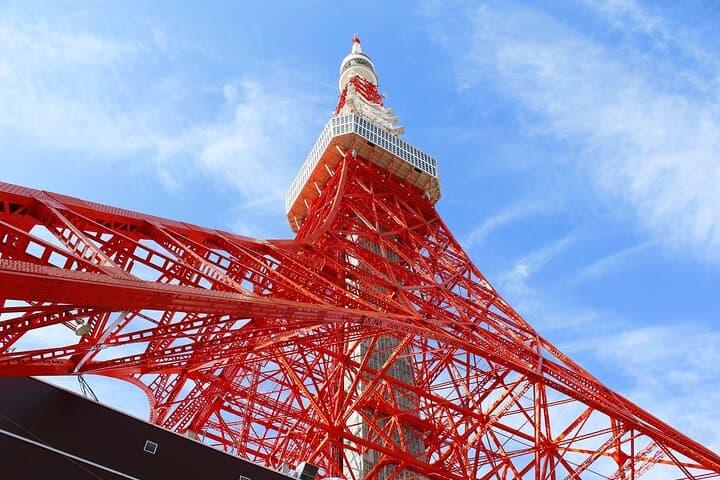
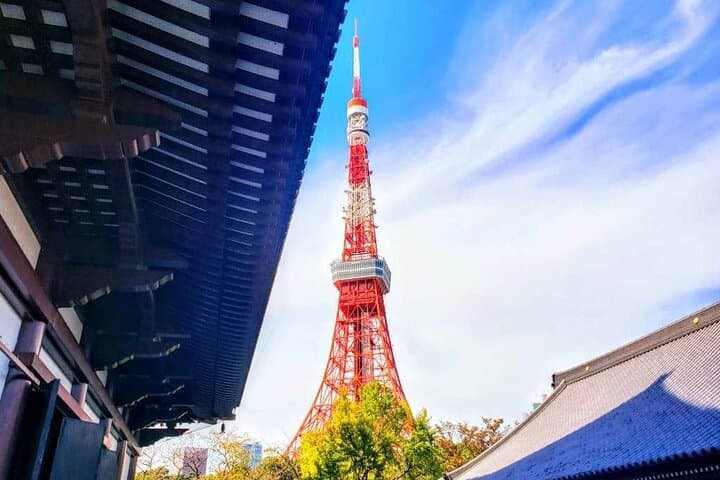
Built in 1958 and modeled on European radio towers, Tokyo Tower served as a broadcasting mast and a postwar symbol of modernity; its bright orange-and-white paint follows aviation safety codes rather than decoration. The tower sits in Minato Ward above Shiba Park and faces Zojoji Temple, a cultural counterpoint where 17th–19th-century graves and temple gates meet contemporary high-rises. Geologically the view is of an alluvial plain; the city’s architecture, not the bedrock, composes the panorama.
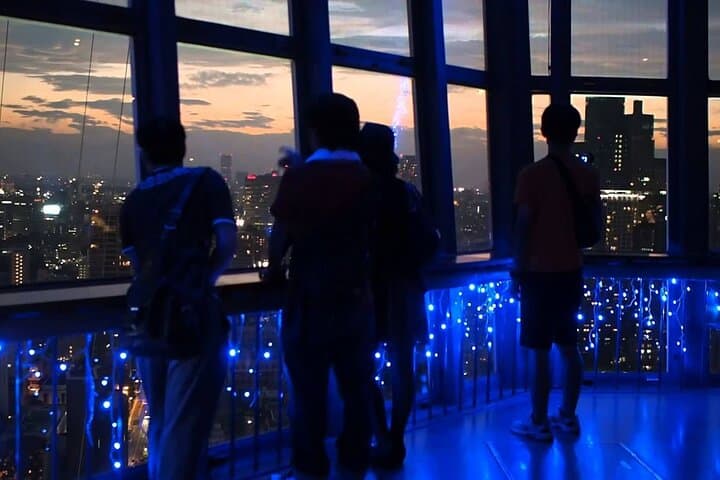
Practicalities matter: typical visits last about 1–2 hours and tickets can be mobile or paper. Elevators make access straightforward—this is an easy experience physically, but queues form at peak sunset and weekend hours. For photographers, morning clarity offers Fuji views while golden hour gives the city its warmest tones. Combine the visit with a stroll through Zojoji or a quick stop in the FootTown complex for small museums and cafés.
Plan for crowds, carry a charged phone for your voucher, and leave room in the itinerary for weather — visibility changes fast. The tower is wheelchair- and stroller-accessible and is suitable for most travelers seeking a compact, unforgettable urban vantage point.
easy.
1–2 hours.
Suitable for all fitness levels; involves elevator access and short walks within the facility.
Yes on clear days—best visibility is in winter or after a cold front; mountain views are never guaranteed due to weather and urban haze.
No—mobile or paper vouchers are accepted; presenting the voucher on your smartphone is sufficient.
Yes—the tower is wheelchair- and stroller-accessible with elevators and accessible surfaces throughout.
Plan about 1–2 hours to visit the Main Deck (150m) and optional Top Deck (250m), plus time for queues and exhibits in FootTown.
Completed in 1958 and inspired by Western radio towers, Tokyo Tower functioned as a television transmission tower and a symbol of Japan’s postwar modernization.
The site manages visitor flow and lighting; be mindful of litter and follow on-site guidelines to limit waste and energy use.
Trevopedia Wonders operates guided outdoor trips and adventures with an emphasis on safety, stewardship, and memorable experiences.
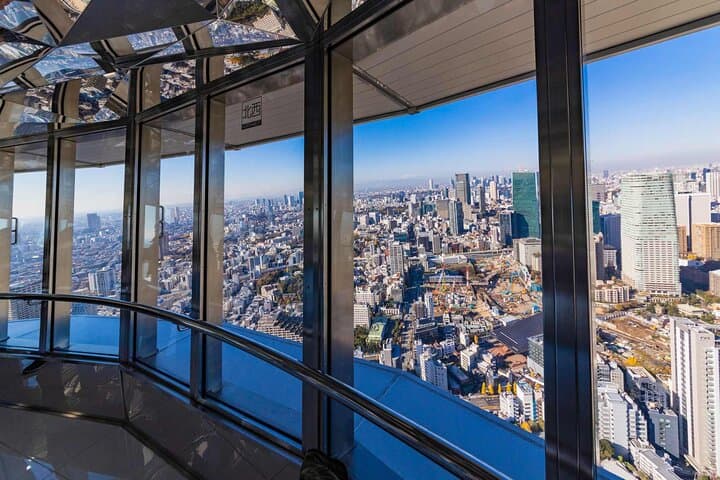
The elevator rises and the city thins into a grid of glass and light; at 150 meters the hum of Tokyo becomes a pattern you can read, and at 250 meters the skyline stretches like a living map. From Tokyo Tower’s Main Deck and optional Top Deck you watch neighborhoods fold into Tokyo Bay, the needle of Tokyo Skytree stand off to the northeast, and on very clear mornings Mount Fuji pins the horizon with a distant, wintry crown.
The elevator rises and the city thins into a grid of glass and light; at 150 meters the hum of Tokyo becomes a pattern you can read, and at 250 meters the skyline stretches like a living map. From Tokyo Tower’s Main Deck and optional Top Deck you watch neighborhoods fold into Tokyo Bay, the needle of Tokyo Skytree stand off to the northeast, and on very clear mornings Mount Fuji pins the horizon with a distant, wintry crown.
Built in 1958 and modeled on European radio towers, Tokyo Tower served as a broadcasting mast and a postwar symbol of modernity; its bright orange-and-white paint follows aviation safety codes rather than decoration. The tower sits in Minato Ward above Shiba Park and faces Zojoji Temple, a cultural counterpoint where 17th–19th-century graves and temple gates meet contemporary high-rises. Geologically the view is of an alluvial plain; the city’s architecture, not the bedrock, composes the panorama.
Practicalities matter: typical visits last about 1–2 hours and tickets can be mobile or paper. Elevators make access straightforward—this is an easy experience physically, but queues form at peak sunset and weekend hours. For photographers, morning clarity offers Fuji views while golden hour gives the city its warmest tones. Combine the visit with a stroll through Zojoji or a quick stop in the FootTown complex for small museums and cafés.
Plan for crowds, carry a charged phone for your voucher, and leave room in the itinerary for weather — visibility changes fast. The tower is wheelchair- and stroller-accessible and is suitable for most travelers seeking a compact, unforgettable urban vantage point.