THE ADVENTURE COLLECTIVE® · Independent discovery and booking for outdoor travel

Ascend 150 meters above Tokyo for sweeping city views, glimpses of Tokyo Skytree and Mount Fuji, and a compact visitor experience best enjoyed with an e‑ticket. This guide explains what to expect, how to time your visit, and simple tips to make the most of the observation deck.
Ascend 150 meters above Tokyo for sweeping city views, glimpses of Tokyo Skytree and Mount Fuji, and a compact visitor experience best enjoyed with an e‑ticket. This guide explains what to expect, how to time your visit, and simple tips to make the most of the observation deck.
You step into an elevator that hums like a city engine and, in under a minute, the urban grid unfurls beneath you—shimmering highways, clusters of office lights, and the distant needle of Tokyo Skytree. At 150 meters above ground, the observation deck slices through the city’s pulse, offering a wide, ordered view where concrete and green spaces trade lines and perspective.
Verified experiences and guided adventures in the surrounding area.
Operated by Royal Smart Tourism · Tokyo, Tokyo
You step into an elevator that hums like a city engine and, in under a minute, the urban grid unfurls beneath you—shimmering highways, clusters of office lights, and the distant needle of Tokyo Skytree. At 150 meters above ground, the observation deck slices through the city’s pulse, offering a wide, ordered view where concrete and green spaces trade lines and perspective.
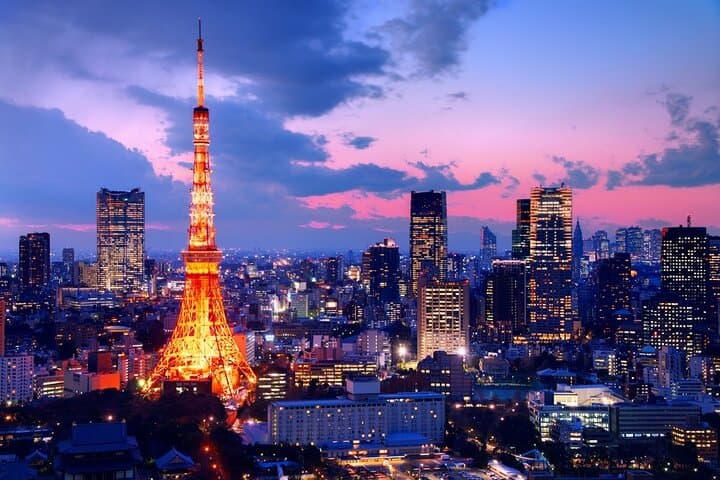
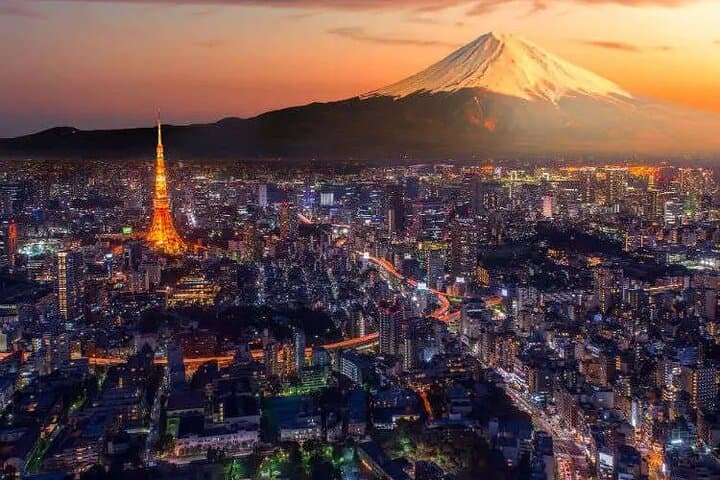
Tokyo Tower opened in 1958 as a broadcasting mast and a visible sign of postwar recovery; its orange-and-white paint follows aviation regulations and makes it readable at a distance. The structure echoes French ironwork in proportion but performs a uniquely Japanese role: a working transmitter, a tourist platform, and a cultural marker in the Minato ward. From the deck you can pick out neighborhood patterns—Shiba Park’s trees, the neat rectangular block of Zojo‑ji Temple—and, on clear days, Mount Fuji rises like a volcanic punctuation beyond the city’s east-west spread.
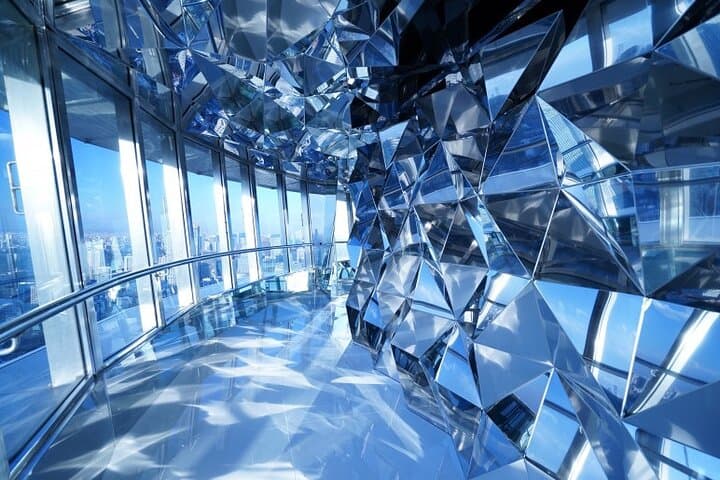
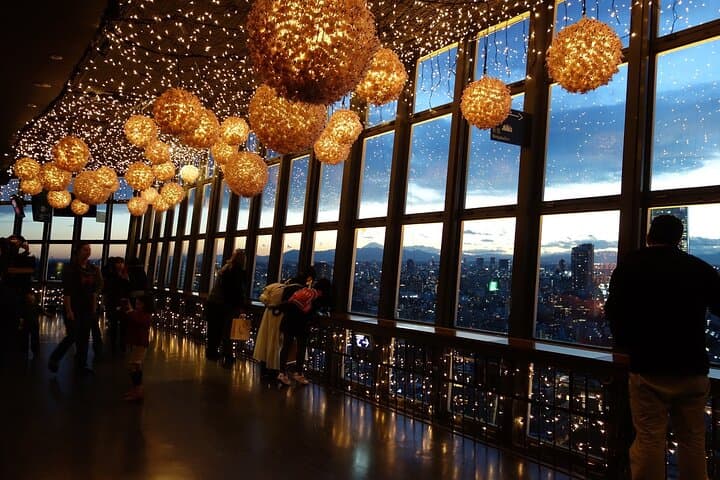
Practical guidance: allow 60–120 minutes for queuing, lifting to the deck, and lingering at viewpoints; e‑tickets speed entry and are often required to match a specific time slot. Weekday mornings and late evenings reduce crowds; winter and autumn mornings typically offer the clearest vistas to the horizon. The site is wheelchair and stroller accessible, but visitors with heart or spinal conditions should consult guidance before booking. Bring a charged camera, a light jacket against the rooftop breeze, and a passport or photo ID for ticket verification. Expect café service on the deck and a small glass-floor “Skywalk” section for a vertigo-tinged look straight down.
easy.
1–2 hours.
Suitable for all fitness levels; limited walking and elevator access make it accessible to most visitors.
No—mobile tickets are accepted; ensure the e‑ticket and matching photo ID are accessible on your device at entry.
Yes, on very clear days—visibility depends on air quality and weather, with the best chances in autumn and winter mornings.
Yes—the Tokyo Tower observation deck and elevator access are wheelchair and stroller accessible; contact venue staff for specific assistance.
Plan 60–120 minutes to account for entry, time on the deck, photos, and a brief visit to the café or gift shop.
Completed in 1958, Tokyo Tower was built as a broadcasting structure during Japan’s postwar rebuilding and was inspired in form by European iron towers while serving local broadcasting needs.
The tower participates in event-based lighting changes and energy management; visitors should follow signage, avoid littering, and use provided waste bins to reduce impact.
Royal Smart Tourism operates guided outdoor trips and adventures with an emphasis on safety, stewardship, and memorable experiences.
You step into an elevator that hums like a city engine and, in under a minute, the urban grid unfurls beneath you—shimmering highways, clusters of office lights, and the distant needle of Tokyo Skytree. At 150 meters above ground, the observation deck slices through the city’s pulse, offering a wide, ordered view where concrete and green spaces trade lines and perspective.
You step into an elevator that hums like a city engine and, in under a minute, the urban grid unfurls beneath you—shimmering highways, clusters of office lights, and the distant needle of Tokyo Skytree. At 150 meters above ground, the observation deck slices through the city’s pulse, offering a wide, ordered view where concrete and green spaces trade lines and perspective.
Tokyo Tower opened in 1958 as a broadcasting mast and a visible sign of postwar recovery; its orange-and-white paint follows aviation regulations and makes it readable at a distance. The structure echoes French ironwork in proportion but performs a uniquely Japanese role: a working transmitter, a tourist platform, and a cultural marker in the Minato ward. From the deck you can pick out neighborhood patterns—Shiba Park’s trees, the neat rectangular block of Zojo‑ji Temple—and, on clear days, Mount Fuji rises like a volcanic punctuation beyond the city’s east-west spread.
Practical guidance: allow 60–120 minutes for queuing, lifting to the deck, and lingering at viewpoints; e‑tickets speed entry and are often required to match a specific time slot. Weekday mornings and late evenings reduce crowds; winter and autumn mornings typically offer the clearest vistas to the horizon. The site is wheelchair and stroller accessible, but visitors with heart or spinal conditions should consult guidance before booking. Bring a charged camera, a light jacket against the rooftop breeze, and a passport or photo ID for ticket verification. Expect café service on the deck and a small glass-floor “Skywalk” section for a vertigo-tinged look straight down.