THE ADVENTURE COLLECTIVE® · Independent discovery and booking for outdoor travel

Glide past Tsukiji’s market stalls, hidden shrines and modern waterfronts on an assisted e-bike tour that covers Tokyo’s layered history and lively neighborhoods in three hours. Practical stops, local snacks and an English-speaking guide make this a compact way to see the city up close.
Glide past Tsukiji’s market stalls, hidden shrines and modern waterfronts on an assisted e-bike tour that covers Tokyo’s layered history and lively neighborhoods in three hours. Practical stops, local snacks and an English-speaking guide make this a compact way to see the city up close.
You push off from a compact shop near Tsukiji’s fish market, the hum of the e-bike motor smoothing out Tokyo’s constant motion. Streets narrow and widen as you slip past early-morning vendors, neon storefronts and a mix of low-rise wooden houses and glass towers. The city feels kinetic—rail lines overhead, canals threading quiet neighborhoods—while your guide points out small discoveries that buses breeze past.
Verified experiences and guided adventures in the surrounding area.
Operated by Japan Wonder Travel · Tokyo, Tokyo
You push off from a compact shop near Tsukiji’s fish market, the hum of the e-bike motor smoothing out Tokyo’s constant motion. Streets narrow and widen as you slip past early-morning vendors, neon storefronts and a mix of low-rise wooden houses and glass towers. The city feels kinetic—rail lines overhead, canals threading quiet neighborhoods—while your guide points out small discoveries that buses breeze past.
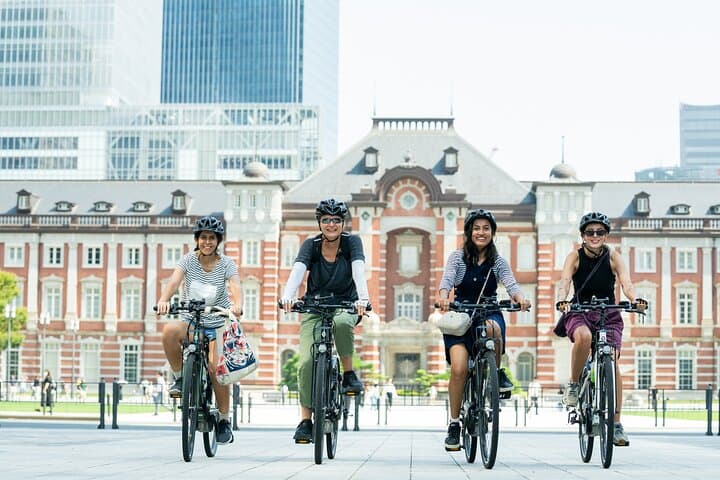
This loop-style tour threads together Tokyo’s layered history: Tokyo Station’s 1914 red-brick façade, Edo-era shrines in Fukagawa, and modern islands of Odaiba with its 19.7‑meter Gundam and futuristic expo halls. Geology here is subtle—reclaimed bay flats and alluvial plains shaped the city’s layout—while cultural rhythms show in temple rituals, seasonal snacks and the careful maintenance of urban gardens such as the lesser-known Japanese garden stop.
Expect a practical, city-focused ride rather than rugged cycling: mostly paved streets with occasional bike lanes, gentle hills (e-bikes handle gradients), and stops for snacks and short walks. Guides supply helmets, optional knapsacks and winter gloves; local tips include where to taste a traditional sweet in Ningyo-cho and how to catch sunset light on Odaiba’s waterfront.
Plan for 3–4 hours, bring a charged phone, cash for incidental purchases, and a polite awareness of pedestrian priority. The e-bike removes strenuous climbs but not the need for traffic awareness—ride steady, stay hydrated, and you’ll cover much more of Tokyo’s character-packed neighborhoods in a single, efficient morning or evening out.
moderate.
3–4 hours.
Moderate fitness: e-bike assist reduces strain but you should be comfortable riding in urban traffic for several hours.
All routes start and end at the same e-bike shop near the Tsukiji fish market neighborhood; the exact meeting point is given on your booking confirmation.
Yes—helmets are supplied by the operator and are included in the tour price; you may bring your own if preferred.
No—participants must be at least 13 years old and taller than 147 cm to join for safety reasons.
If unsafe weather is forecast, the operator will notify you by e-mail one day prior and offer alternatives such as a different itinerary, a rental-only option, or a refund.
The route links Edo-period sites and Meiji/Taisho-era landmarks—Tokyo Station opened in 1914 and Tomioka Hachimangu reflects Fukagawa’s Edo heritage and sumo history.
Riding e-bikes reduces reliance on motor vehicles and lowers emissions; follow local rules, avoid off-route shortcuts, and respect temple and garden spaces to minimize impact.
Japan Wonder Travel operates guided outdoor trips and adventures with an emphasis on safety, stewardship, and memorable experiences.
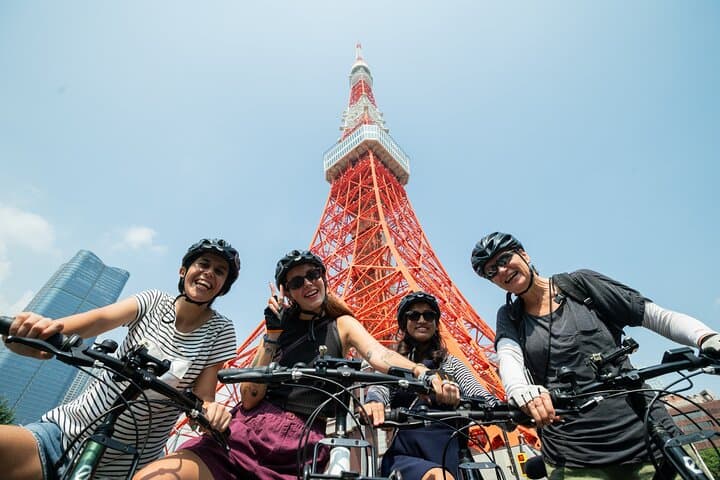


You push off from a compact shop near Tsukiji’s fish market, the hum of the e-bike motor smoothing out Tokyo’s constant motion. Streets narrow and widen as you slip past early-morning vendors, neon storefronts and a mix of low-rise wooden houses and glass towers. The city feels kinetic—rail lines overhead, canals threading quiet neighborhoods—while your guide points out small discoveries that buses breeze past.
You push off from a compact shop near Tsukiji’s fish market, the hum of the e-bike motor smoothing out Tokyo’s constant motion. Streets narrow and widen as you slip past early-morning vendors, neon storefronts and a mix of low-rise wooden houses and glass towers. The city feels kinetic—rail lines overhead, canals threading quiet neighborhoods—while your guide points out small discoveries that buses breeze past.
This loop-style tour threads together Tokyo’s layered history: Tokyo Station’s 1914 red-brick façade, Edo-era shrines in Fukagawa, and modern islands of Odaiba with its 19.7‑meter Gundam and futuristic expo halls. Geology here is subtle—reclaimed bay flats and alluvial plains shaped the city’s layout—while cultural rhythms show in temple rituals, seasonal snacks and the careful maintenance of urban gardens such as the lesser-known Japanese garden stop.
Expect a practical, city-focused ride rather than rugged cycling: mostly paved streets with occasional bike lanes, gentle hills (e-bikes handle gradients), and stops for snacks and short walks. Guides supply helmets, optional knapsacks and winter gloves; local tips include where to taste a traditional sweet in Ningyo-cho and how to catch sunset light on Odaiba’s waterfront.
Plan for 3–4 hours, bring a charged phone, cash for incidental purchases, and a polite awareness of pedestrian priority. The e-bike removes strenuous climbs but not the need for traffic awareness—ride steady, stay hydrated, and you’ll cover much more of Tokyo’s character-packed neighborhoods in a single, efficient morning or evening out.