THE ADVENTURE COLLECTIVE® · Independent discovery and booking for outdoor travel

Traverse Japan’s most iconic corridor in eight days: Tokyo’s markets and shrines, the steam and lake views of Hakone and Mt. Fuji, Kyoto’s temples and Nara’s bowing deer, and Hiroshima’s solemn memorials and Miyajima’s floating torii. This small-group itinerary pairs easy pacing with deep cultural and geological highlights.
Traverse Japan’s most iconic corridor in eight days: Tokyo’s markets and shrines, the steam and lake views of Hakone and Mt. Fuji, Kyoto’s temples and Nara’s bowing deer, and Hiroshima’s solemn memorials and Miyajima’s floating torii. This small-group itinerary pairs easy pacing with deep cultural and geological highlights.
The first morning you step out of the airport hall an English-speaking assistant meets you, shepherding jet-lagged travelers into a shared car that hums toward central Tokyo. The city arrives in quick, bright cuts — neon signs, a sushi counter scenting the air, and the layered roofs of a temple peeking between glass towers. Over the next eight days the landscape rearranges itself: urban rush becomes steam-shrouded volcanic valleys, then pond-reflecting temple pavilions, and finally the iron-red torii gate standing like a punctuation mark in the Seto Inland Sea.
Verified experiences and guided adventures in the surrounding area.
Operated by Travel China Guide · Tokyo, Tokyo
The first morning you step out of the airport hall an English-speaking assistant meets you, shepherding jet-lagged travelers into a shared car that hums toward central Tokyo. The city arrives in quick, bright cuts — neon signs, a sushi counter scenting the air, and the layered roofs of a temple peeking between glass towers. Over the next eight days the landscape rearranges itself: urban rush becomes steam-shrouded volcanic valleys, then pond-reflecting temple pavilions, and finally the iron-red torii gate standing like a punctuation mark in the Seto Inland Sea.
This tour is a travel spine through Japan’s chapters. Tokyo, historically Edo, shows the modern pulse shaped by centuries of political and cultural change. In Hakone the earth still remembers its volcanic past — Owakudani’s sulfur vents and thermal plumes are geological page-turners that explain the mirror-calm Lake Ashi below and why locals have long worshipped mountain spirits. Kyoto and Nara unfold Japan’s imperial and religious history: gilded Kinkaku-ji, the thousands of vermilion gates winding up Inari’s slopes, Todai-ji’s monumental Buddha — each site a lesson in craft, ritual, and the ways space has been consecrated for generations.
Culturally this itinerary stitches market stalls to samurai castles to peace memorials. Kuromon Market in Osaka introduces a working-food culture that refuses pretense; Hiroshima’s Peace Park offers quiet that demands reflection. Miyajima’s Itsukushima Shrine, with its floating torii, visits you with tidal choreography — a reminder that many Japanese shrines mediate between land and sea.
Practically, the trip is paced for accessibility: small-group size (up to six), daily breakfasts at three-star hotels, and a mix of guided transfers and reserved train tickets. Expect a lot of short walks and stairs at shrines and castles; the tour is rated suitable for all fitness levels but plan to be on your feet for multiple short bursts each day. Important logistics: shared airport pickup runs until about 20:30, so late arrivals should arrange private transport; visa compliance is your responsibility; and cancellations are final under the supplier policy.
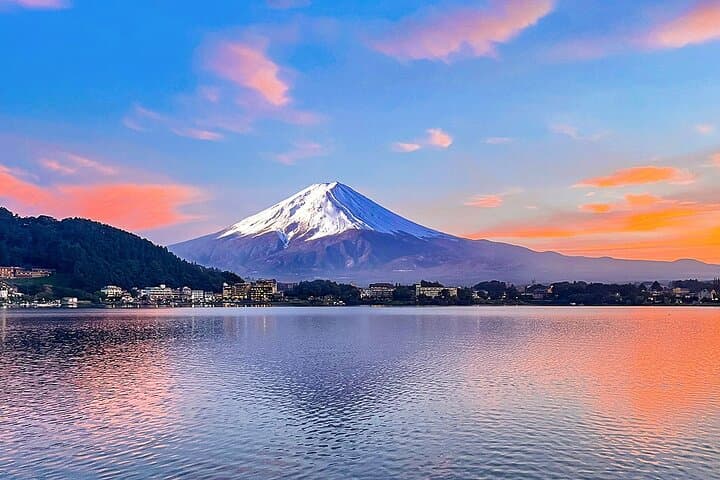
To get the most out of each stop: rise early at Tsukiji Outer Market for sushi counters before the crowds; time Hakone for clear weather if you want Mt. Fuji framed across Lake Ashi; carry small cash for shrine offerings and market snacks; and respect shrine etiquette — bow, wash, and move quietly. The natural elements will push you along — Lake Ashi’s wind, Miyajima’s tides, the sulfur breath of Owakudani — but they also offer the clearest, most memorable frames of Japan’s layered landscapes.
easy.
8 days.
Suitable for travelers with basic mobility who can handle multiple short walks and stairs each day; no sustained hikes.
No — international airfare is not included; the tour begins with shared pickup from Tokyo on arrival.
Only daily breakfast is included; lunches and dinners are at your own expense, giving flexibility to sample local cuisine.
Reserved intercity train tickets are provided for segments listed; a JR Pass is optional and depends on your wider travel plans.
Yes — the small-group format accommodates solo travelers; single supplements or rooming options depend on booking terms.
The guide will offer alternatives such as extended Lake Ashi time or other Hakone viewpoints; closures are common when volcanic activity increases.
Entrance fees for the listed sights are included per the itinerary; check the inclusions for specific attractions.
Tokyo’s modern grid grew from Edo, the seat of shogunal power until 1868; Kyoto and Nara preserve layers of imperial and religious history older than the modern state.
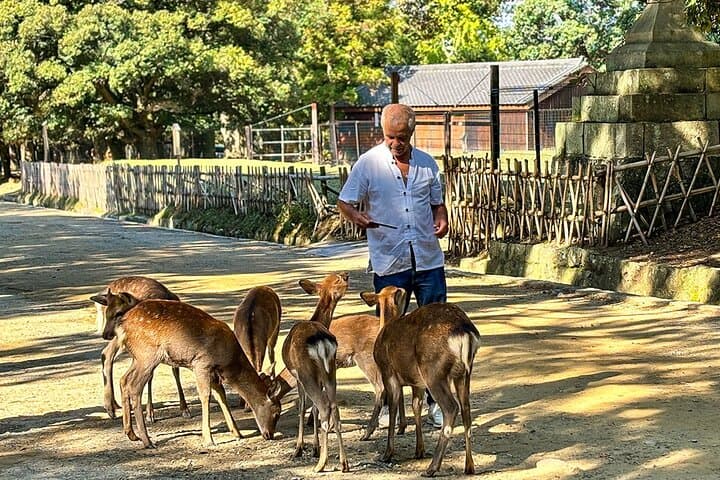
Miyajima and Nara manage high visitor numbers — avoid feeding deer with non-official food, dispose of waste properly, and follow local rules to protect shrines and wildlife.
Travel China Guide operates guided outdoor trips and adventures with an emphasis on safety, stewardship, and memorable experiences.
The first morning you step out of the airport hall an English-speaking assistant meets you, shepherding jet-lagged travelers into a shared car that hums toward central Tokyo. The city arrives in quick, bright cuts — neon signs, a sushi counter scenting the air, and the layered roofs of a temple peeking between glass towers. Over the next eight days the landscape rearranges itself: urban rush becomes steam-shrouded volcanic valleys, then pond-reflecting temple pavilions, and finally the iron-red torii gate standing like a punctuation mark in the Seto Inland Sea.
The first morning you step out of the airport hall an English-speaking assistant meets you, shepherding jet-lagged travelers into a shared car that hums toward central Tokyo. The city arrives in quick, bright cuts — neon signs, a sushi counter scenting the air, and the layered roofs of a temple peeking between glass towers. Over the next eight days the landscape rearranges itself: urban rush becomes steam-shrouded volcanic valleys, then pond-reflecting temple pavilions, and finally the iron-red torii gate standing like a punctuation mark in the Seto Inland Sea.
This tour is a travel spine through Japan’s chapters. Tokyo, historically Edo, shows the modern pulse shaped by centuries of political and cultural change. In Hakone the earth still remembers its volcanic past — Owakudani’s sulfur vents and thermal plumes are geological page-turners that explain the mirror-calm Lake Ashi below and why locals have long worshipped mountain spirits. Kyoto and Nara unfold Japan’s imperial and religious history: gilded Kinkaku-ji, the thousands of vermilion gates winding up Inari’s slopes, Todai-ji’s monumental Buddha — each site a lesson in craft, ritual, and the ways space has been consecrated for generations.
Culturally this itinerary stitches market stalls to samurai castles to peace memorials. Kuromon Market in Osaka introduces a working-food culture that refuses pretense; Hiroshima’s Peace Park offers quiet that demands reflection. Miyajima’s Itsukushima Shrine, with its floating torii, visits you with tidal choreography — a reminder that many Japanese shrines mediate between land and sea.
Practically, the trip is paced for accessibility: small-group size (up to six), daily breakfasts at three-star hotels, and a mix of guided transfers and reserved train tickets. Expect a lot of short walks and stairs at shrines and castles; the tour is rated suitable for all fitness levels but plan to be on your feet for multiple short bursts each day. Important logistics: shared airport pickup runs until about 20:30, so late arrivals should arrange private transport; visa compliance is your responsibility; and cancellations are final under the supplier policy.
To get the most out of each stop: rise early at Tsukiji Outer Market for sushi counters before the crowds; time Hakone for clear weather if you want Mt. Fuji framed across Lake Ashi; carry small cash for shrine offerings and market snacks; and respect shrine etiquette — bow, wash, and move quietly. The natural elements will push you along — Lake Ashi’s wind, Miyajima’s tides, the sulfur breath of Owakudani — but they also offer the clearest, most memorable frames of Japan’s layered landscapes.