THE ADVENTURE COLLECTIVE® · Independent discovery and booking for outdoor travel

A full-day trip from Tokyo to Fujinomiya that combines sweeping views of Mt. Fuji, riverside cherry blossom walks, and hands-on tea picking with a factory tour and mini tea ceremony. Ideal for spring visitors seeking culture and landscape in one day.
A full-day trip from Tokyo to Fujinomiya that combines sweeping views of Mt. Fuji, riverside cherry blossom walks, and hands-on tea picking with a factory tour and mini tea ceremony. Ideal for spring visitors seeking culture and landscape in one day.
The day begins in a bustle of Shinjuku commuters and, within an hour, the city recedes into a widening landscape of rice paddies and tea terraces.
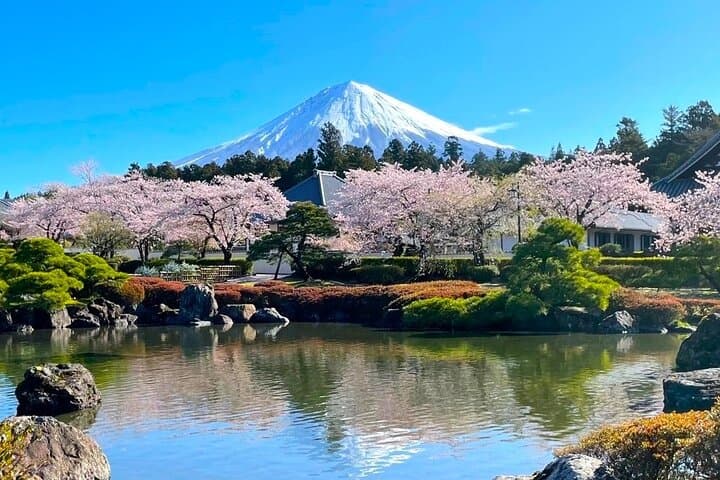
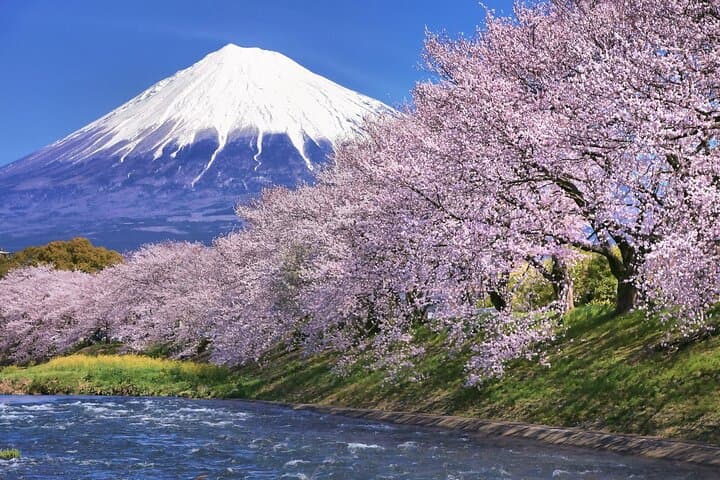
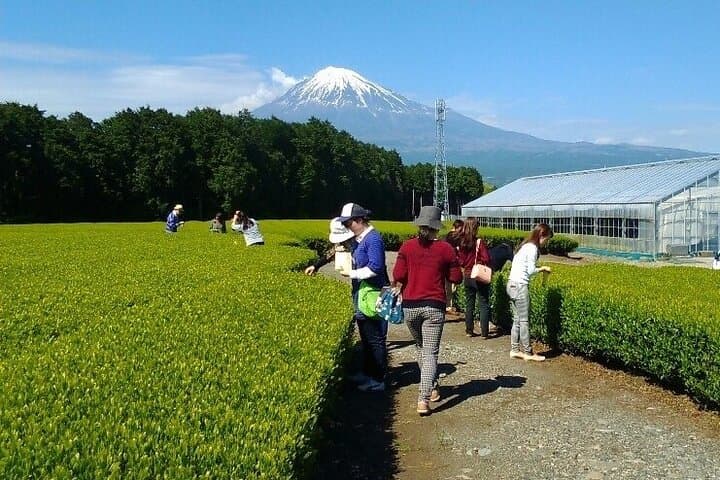
By late morning the bus pulls into green rows of tea bushes with Mt. Fuji rising behind them—cherry blossoms frame the slopes like a pale ribbon and the air smells faintly of leaf and river.
Verified experiences and guided adventures in the surrounding area.
Operated by H.I.S.Co., Ltd. · Fujinomiya, Shizuoka
The day begins in a bustle of Shinjuku commuters and, within an hour, the city recedes into a widening landscape of rice paddies and tea terraces.
By late morning the bus pulls into green rows of tea bushes with Mt. Fuji rising behind them—cherry blossoms frame the slopes like a pale ribbon and the air smells faintly of leaf and river.
This region of Shizuoka has farmed tea for centuries; volcanic soils from Mt. Fuji create mineral-rich ground that supports the fragrant sencha and matcha leaves you’ll pick by hand.
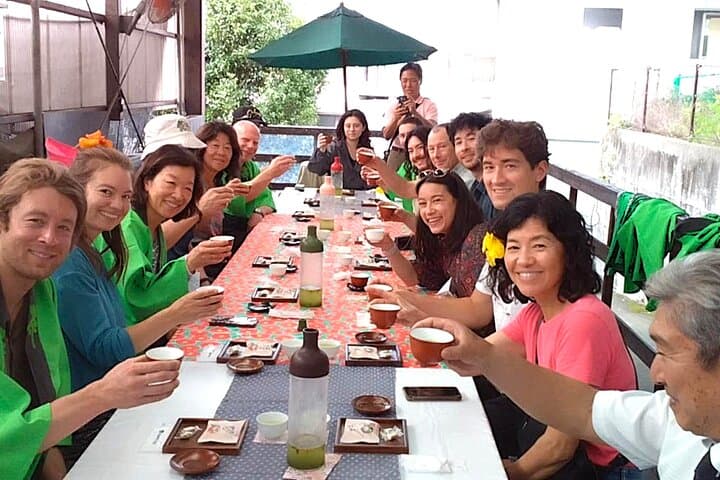
The itinerary threads cultural and natural highlights: tea fields and a factory tour that explain steaming, rolling, and drying; a small tea ceremony that demonstrates ritual and taste; and a visit to Taiseki-ji, a Nichiren temple founded in 1290 where historic cherry trees bloom in sequence.
Geologically, Mt. Fuji is a stratovolcano whose profile dominates sightlines and local weather—clear mornings offer the best views.
Practical guidance: this is a full-day excursion (about 10 hours including travel) with light walking on farm paths and temple grounds—no technical skills required.
Cherry blossoms peak late March to early April but timing shifts by a week each year; book early and choose a clear-weather departure for views.
Bring comfortable walking shoes, layers for changeable mountain air, a camera with a modest zoom, and cash for small on-site purchases or optional kimono rental.
Respect farm rules—stay on paths and follow guides during the factory tour to protect crops and production areas.
easy.
10 hours (full-day).
Suitable for most people who can walk gently on uneven farm paths and climb short temple steps.
Late March to early April is the typical window, but exact peak varies yearly—check local forecasts and book early for the best chance of blooms and clear views.
Yes, a traditional Japanese lunch (tempura, grilled fish, rice, sides) is included; vegetarian requests can be accommodated if notified in advance.
Yes—infants must sit on an adult’s lap during transport; light walking is required so plan accordingly for strollers and breaks.
Kimono dressing is optional for an extra fee and limited availability; the mini tea ceremony is included, but kimono rental requires advance request and additional payment.
Taiseki-ji Temple in Fujinomiya dates to 1290 and preserves centuries of Nichiren Buddhist practice; the area’s tea culture grew with Edo-period agricultural development.
Cherry blossom viewing concentrates foot traffic—stay on paths and avoid picking flowers; support sustainable practices by respecting farm rules and buying locally produced tea.
H.I.S.Co., Ltd. operates guided outdoor trips and adventures with an emphasis on safety, stewardship, and memorable experiences.
The day begins in a bustle of Shinjuku commuters and, within an hour, the city recedes into a widening landscape of rice paddies and tea terraces.
By late morning the bus pulls into green rows of tea bushes with Mt. Fuji rising behind them—cherry blossoms frame the slopes like a pale ribbon and the air smells faintly of leaf and river.
The day begins in a bustle of Shinjuku commuters and, within an hour, the city recedes into a widening landscape of rice paddies and tea terraces.
By late morning the bus pulls into green rows of tea bushes with Mt. Fuji rising behind them—cherry blossoms frame the slopes like a pale ribbon and the air smells faintly of leaf and river.
This region of Shizuoka has farmed tea for centuries; volcanic soils from Mt. Fuji create mineral-rich ground that supports the fragrant sencha and matcha leaves you’ll pick by hand.
The itinerary threads cultural and natural highlights: tea fields and a factory tour that explain steaming, rolling, and drying; a small tea ceremony that demonstrates ritual and taste; and a visit to Taiseki-ji, a Nichiren temple founded in 1290 where historic cherry trees bloom in sequence.
Geologically, Mt. Fuji is a stratovolcano whose profile dominates sightlines and local weather—clear mornings offer the best views.
Practical guidance: this is a full-day excursion (about 10 hours including travel) with light walking on farm paths and temple grounds—no technical skills required.
Cherry blossoms peak late March to early April but timing shifts by a week each year; book early and choose a clear-weather departure for views.
Bring comfortable walking shoes, layers for changeable mountain air, a camera with a modest zoom, and cash for small on-site purchases or optional kimono rental.
Respect farm rules—stay on paths and follow guides during the factory tour to protect crops and production areas.