THE ADVENTURE COLLECTIVE® · Independent discovery and booking for outdoor travel

Two days that pair Tokyo’s electric streets with the quiet grandeur of Mt. Fuji. Expect a fast-paced city walk on day one and scenic lake views, flower parks, and a traditional village beside Fuji on day two.
Two days that pair Tokyo’s electric streets with the quiet grandeur of Mt. Fuji. Expect a fast-paced city walk on day one and scenic lake views, flower parks, and a traditional village beside Fuji on day two.
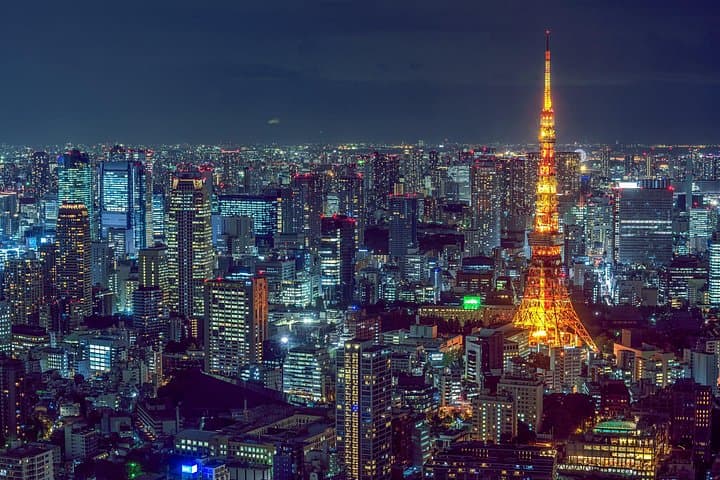
You step out onto a crowded Shibuya sidewalk at 9 a.m., the city pressing around you—neon screens blinking, trains folding people into tunnels—and then, less than 24 hours later, the air sharpens and Mt. Fuji looms above a glassy lake, as if the country has changed its pace to match your breathing.
Verified experiences and guided adventures in the surrounding area.
Operated by Pingan First Travel · Tokyo, Tokyo
You step out onto a crowded Shibuya sidewalk at 9 a.m., the city pressing around you—neon screens blinking, trains folding people into tunnels—and then, less than 24 hours later, the air sharpens and Mt. Fuji looms above a glassy lake, as if the country has changed its pace to match your breathing.
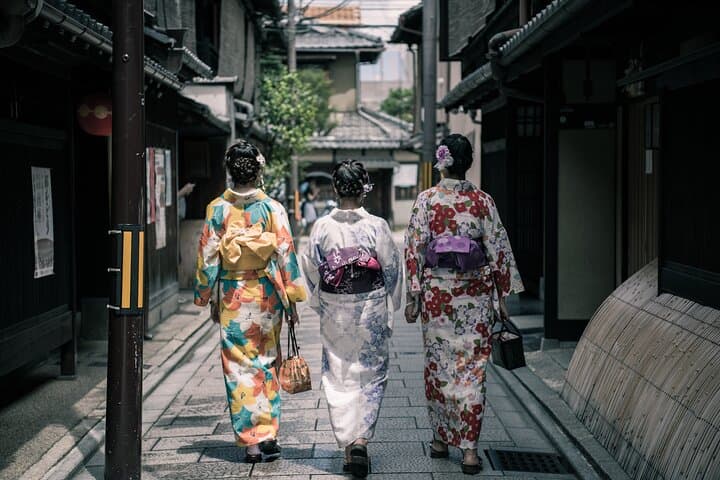
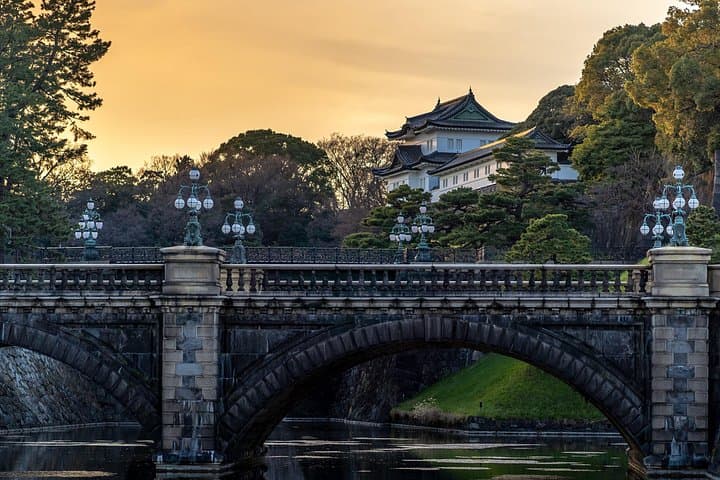
Day one is an urban sprint through Tokyo’s layered history: Meiji Shrine’s cedar avenue that dates to the late 19th century, the wartime rebirth visible in Ueno and the Imperial Palace precincts, and the hyper-local energy of Harajuku and Tsukiji’s market lanes. The guide threads context through each stop—samurai-era shifts, Edo-era land reclamation, and modern pop culture—so the city reads like a living map.
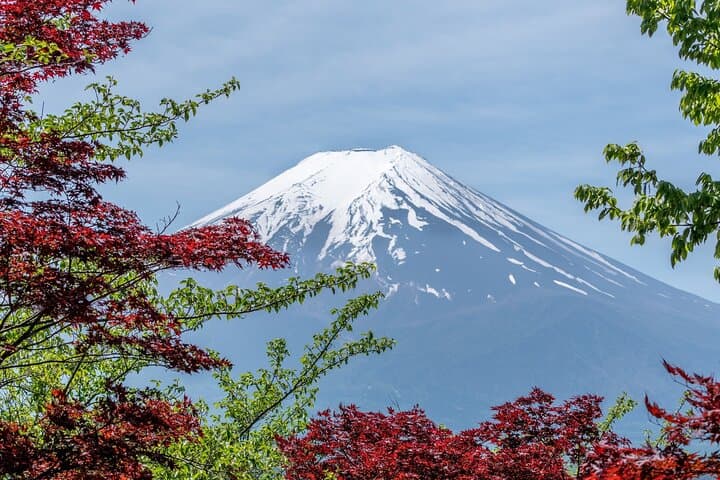
Day two moves west, roughly 100 km toward Fuji’s shadow. Geology takes the stage: Fuji’s 3,776 m cone rises from volcanic plains, its symmetry punctuating the Kawaguchiko shoreline. You’ll visit Mt. Nikura Asama Park, Oishi Park’s flower terraces, and Saiko Iyashi no Sato’s thatched-roof village. The mountain seems to watch travelers, sometimes coy under cloud, sometimes brutally clear in winter when the air is cold and visibility is high.
Practical guidance: wear comfortable walking shoes for urban cobbles and short lakeside trails, layer early—mountain mornings can be chilly—and carry water and cash for small vendors. Expect a full pace: long days with short strolls and photo stops rather than long hikes. Reserve clear-weather mornings for the best Fuji views and leave flexible expectations; Japan’s weather can shift fast, but so can its rewards.
moderate.
2 days.
Suitable for travelers who can walk 3–6 miles over a day, climb stairs and stand for guided stops; no special fitness required beyond mobility for urban and light trail walking.
Day 1 meets in Shibuya (Yoyogi area) around 9:00 a.m. and ends near JR Ueno Station; Day 2 meets near Tokyo Shinagawa and finishes in Shinjuku—confirm exact addresses and times on your booking voucher.
Yes—physical demands are low to moderate. Expect a lot of walking and some stair climbing; inform the operator about mobility needs when booking.
This is a sightseeing day trip offering viewpoints like Mt. Nikura Asama Park, Chureito Pagoda and lakeshore vistas—no summit climbing is included.
The tour includes bottled water and an air-conditioned vehicle on day two; lunch is typically at a local restaurant by Kawaguchiko and is usually at the traveler’s expense unless otherwise noted.
Tokyo’s street layout and many markets grew from Edo-period commerce and land reclamation; Mt. Fuji has been a cultural and spiritual symbol for centuries and is an active stratovolcano.
Stick to marked paths around lakes and parks, dispose of waste or carry it out, and be mindful at shrines—local groups work to limit erosion and maintain water quality around Kawaguchiko.
Pingan First Travel operates guided outdoor trips and adventures with an emphasis on safety, stewardship, and memorable experiences.
You step out onto a crowded Shibuya sidewalk at 9 a.m., the city pressing around you—neon screens blinking, trains folding people into tunnels—and then, less than 24 hours later, the air sharpens and Mt. Fuji looms above a glassy lake, as if the country has changed its pace to match your breathing.
You step out onto a crowded Shibuya sidewalk at 9 a.m., the city pressing around you—neon screens blinking, trains folding people into tunnels—and then, less than 24 hours later, the air sharpens and Mt. Fuji looms above a glassy lake, as if the country has changed its pace to match your breathing.
Day one is an urban sprint through Tokyo’s layered history: Meiji Shrine’s cedar avenue that dates to the late 19th century, the wartime rebirth visible in Ueno and the Imperial Palace precincts, and the hyper-local energy of Harajuku and Tsukiji’s market lanes. The guide threads context through each stop—samurai-era shifts, Edo-era land reclamation, and modern pop culture—so the city reads like a living map.
Day two moves west, roughly 100 km toward Fuji’s shadow. Geology takes the stage: Fuji’s 3,776 m cone rises from volcanic plains, its symmetry punctuating the Kawaguchiko shoreline. You’ll visit Mt. Nikura Asama Park, Oishi Park’s flower terraces, and Saiko Iyashi no Sato’s thatched-roof village. The mountain seems to watch travelers, sometimes coy under cloud, sometimes brutally clear in winter when the air is cold and visibility is high.
Practical guidance: wear comfortable walking shoes for urban cobbles and short lakeside trails, layer early—mountain mornings can be chilly—and carry water and cash for small vendors. Expect a full pace: long days with short strolls and photo stops rather than long hikes. Reserve clear-weather mornings for the best Fuji views and leave flexible expectations; Japan’s weather can shift fast, but so can its rewards.