THE ADVENTURE COLLECTIVE® · Independent discovery and booking for outdoor travel

Witness early-blooming Kawazu-zakura and classic Somei Yoshino on a full-day trip from Tokyo that combines shrine visits, Japan’s longest pedestrian bridge at Mishima Skywalk, and a 30-minute all-you-can-eat strawberry-picking stop. Practical timing and local tips included.
Witness early-blooming Kawazu-zakura and classic Somei Yoshino on a full-day trip from Tokyo that combines shrine visits, Japan’s longest pedestrian bridge at Mishima Skywalk, and a 30-minute all-you-can-eat strawberry-picking stop. Practical timing and local tips included.
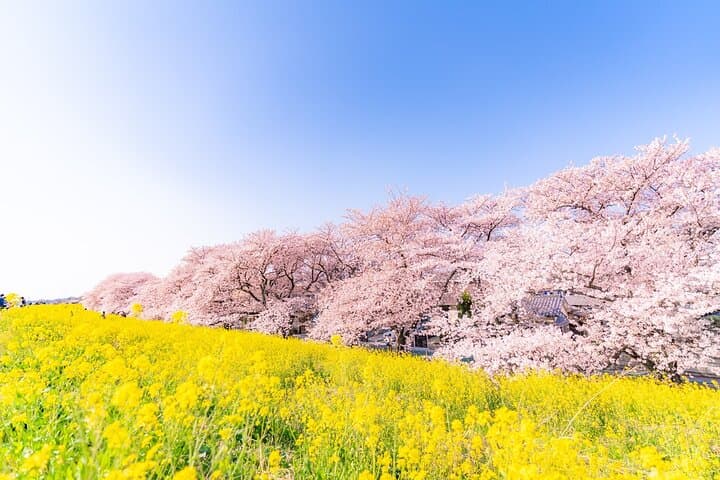
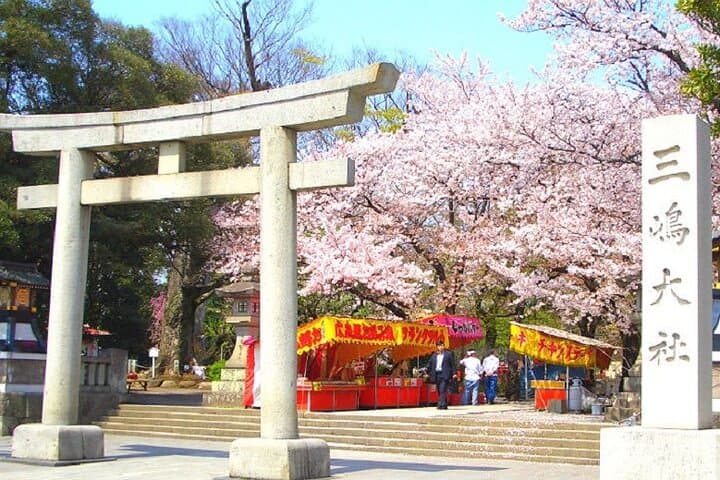
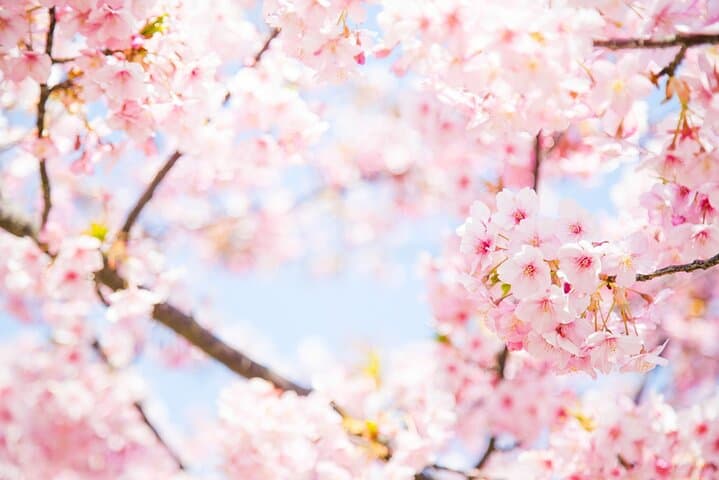
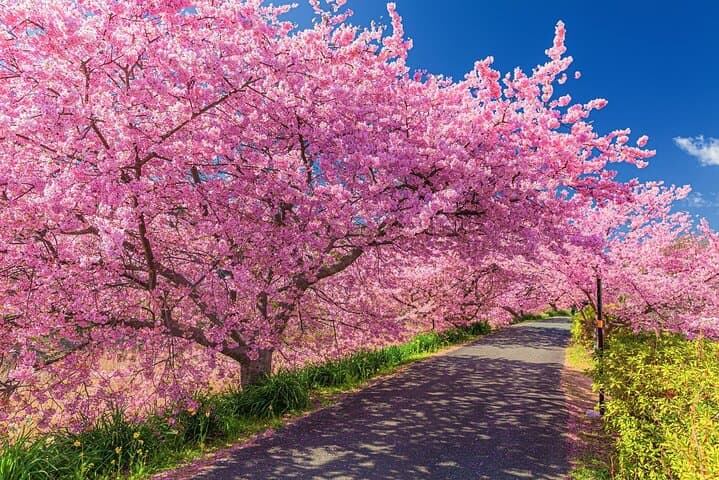
Step off the bus and the air changes—sharp with sea salt and the sweet, almost citrus scent of early sakura. In late winter and early spring, Kawazu-zakura and Somei Yoshino stage two quick acts across the Izu foothills: hot-pink clusters pressing against pale sky, and fields of yellow canola daring you to look away. The route threads historic Mishima Taisha, small farming hamlets, and the long span of Mishima Skywalk, where the bridge opens like a held breath and Mount Fuji watches the procession below.
Verified experiences and guided adventures in the surrounding area.
Operated by H.I.S.Co., Ltd. · Mishima, Shizuoka
Step off the bus and the air changes—sharp with sea salt and the sweet, almost citrus scent of early sakura. In late winter and early spring, Kawazu-zakura and Somei Yoshino stage two quick acts across the Izu foothills: hot-pink clusters pressing against pale sky, and fields of yellow canola daring you to look away. The route threads historic Mishima Taisha, small farming hamlets, and the long span of Mishima Skywalk, where the bridge opens like a held breath and Mount Fuji watches the procession below.
This landscape is young volcanic rock, folded and scoured by inland seas and eruptions that shaped Suruga Bay and the Izu Peninsula. Cherry-blossom viewing here blends folk ritual and modern leisure—shrine visitors, picnickers on tarps, and farmers timing blooms for festivals. Strawberry farms nearby are a product of rich volcanic soils and careful horticulture; 30 minutes of pick-and-eat shows why Japanese varieties are prized for sweetness and texture.
Practically: expect a full-day outing (around 10 hours). Wear solid walking shoes, bring layered clothing for stiff morning air and warmer afternoons on the Skywalk, and carry a small daypack for water and purchases. The tour balances timed stops—flower fields and Mishima Taisha—with free moments on the suspension bridge and a short, intense strawberry-picking session.
Timing is everything—bloom windows shift with weather—so check forecasts and remain flexible. Respect farm rules during picking, keep noise moderate at shrines, and consider arriving a touch early if you want photos without crowds.
easy.
10 hours.
Suitable for most fitness levels; involves short walks, bridge crossing, and standing during views and picking
Early-blooming Kawazu-zakura appear mid-February to early March; the Somei Yoshino peak is typically late March to early April, but exact timing varies with seasonal weather.
Yes—most farms allow you to eat what you pick during the allotted picking time; follow the farm’s rules and hygiene instructions.
The Skywalk is a regulated, reinforced pedestrian bridge with safety measures; however, those uncomfortable with heights should be aware that the bridge is open and can feel exposed.
The tour includes a Japanese-style lunch and transportation in an air-conditioned vehicle as described in the itinerary.
Mishima Taisha has been a regional spiritual center for centuries; cherry viewing has long mixed Shinto shrine visits with seasonal social gatherings in the area.
Stay on marked paths in fields and shrines, follow farm instructions during picking, and pack out trash—local agriculture and tourism depend on clean, respected landscapes.
H.I.S.Co., Ltd. operates guided outdoor trips and adventures with an emphasis on safety, stewardship, and memorable experiences.
Step off the bus and the air changes—sharp with sea salt and the sweet, almost citrus scent of early sakura. In late winter and early spring, Kawazu-zakura and Somei Yoshino stage two quick acts across the Izu foothills: hot-pink clusters pressing against pale sky, and fields of yellow canola daring you to look away. The route threads historic Mishima Taisha, small farming hamlets, and the long span of Mishima Skywalk, where the bridge opens like a held breath and Mount Fuji watches the procession below.
Step off the bus and the air changes—sharp with sea salt and the sweet, almost citrus scent of early sakura. In late winter and early spring, Kawazu-zakura and Somei Yoshino stage two quick acts across the Izu foothills: hot-pink clusters pressing against pale sky, and fields of yellow canola daring you to look away. The route threads historic Mishima Taisha, small farming hamlets, and the long span of Mishima Skywalk, where the bridge opens like a held breath and Mount Fuji watches the procession below.
This landscape is young volcanic rock, folded and scoured by inland seas and eruptions that shaped Suruga Bay and the Izu Peninsula. Cherry-blossom viewing here blends folk ritual and modern leisure—shrine visitors, picnickers on tarps, and farmers timing blooms for festivals. Strawberry farms nearby are a product of rich volcanic soils and careful horticulture; 30 minutes of pick-and-eat shows why Japanese varieties are prized for sweetness and texture.
Practically: expect a full-day outing (around 10 hours). Wear solid walking shoes, bring layered clothing for stiff morning air and warmer afternoons on the Skywalk, and carry a small daypack for water and purchases. The tour balances timed stops—flower fields and Mishima Taisha—with free moments on the suspension bridge and a short, intense strawberry-picking session.
Timing is everything—bloom windows shift with weather—so check forecasts and remain flexible. Respect farm rules during picking, keep noise moderate at shrines, and consider arriving a touch early if you want photos without crowds.