THE ADVENTURE COLLECTIVE® · Independent discovery and booking for outdoor travel

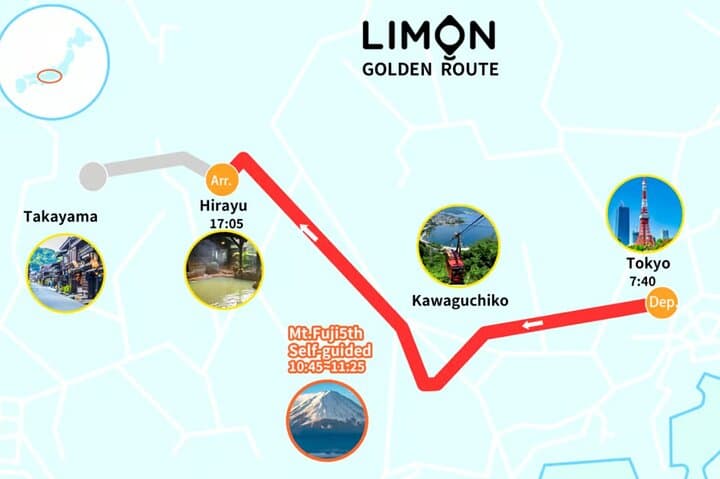
A comfortable one-way bus from Tokyo that stops at Mt. Fuji 5th Station and Oshino Hakkai before reaching Hirayu Onsen. Ideal for travelers who want panoramic Fuji views and a stress-free transfer to the Japanese Alps.
A comfortable one-way bus from Tokyo that stops at Mt. Fuji 5th Station and Oshino Hakkai before reaching Hirayu Onsen. Ideal for travelers who want panoramic Fuji views and a stress-free transfer to the Japanese Alps.
You wake on the bus as Tokyo's concrete grid loosens into rice paddies. Windows frame a country that seems to unfurl just for you: narrow roads, cedar-shaded river bends, and then the cone—Mount Fuji—rising like a slow-breathed presence. The vehicle hums; fellow passengers point and photograph. At 2,300 meters the 5th Station puts you above the clouds and within a colder, thinner air that sharpens sightlines across the Kanto Plain.
Verified experiences and guided adventures in the surrounding area.
Operated by LIMON Tours · Fujinomiya, Shizuoka
You wake on the bus as Tokyo's concrete grid loosens into rice paddies. Windows frame a country that seems to unfurl just for you: narrow roads, cedar-shaded river bends, and then the cone—Mount Fuji—rising like a slow-breathed presence. The vehicle hums; fellow passengers point and photograph. At 2,300 meters the 5th Station puts you above the clouds and within a colder, thinner air that sharpens sightlines across the Kanto Plain.
This route threads modern Tokyo to Hirayu Onsen in the Japanese Alps, passing sites tied to Fuji’s long cultural life. Mt. Fuji’s volcanic layers tell a geologic record of repeated eruptions; Oshino Hakkai’s spring-fed ponds are fed by melted snow filtered through lava, revered by pilgrims for centuries and now part of the Fuji World Heritage landscape. Hirayu retains an onsen-town rhythm—public baths, timber inns, and hearty mountain cuisine.
Expect mostly self-guided sightseeing: 40 minutes at the 5th Station (weather permitting) and an hour at Oshino Hakkai on some departures. The itinerary favors views over strenuous activity, though crisp alpine air and brief altitude gain require attention.
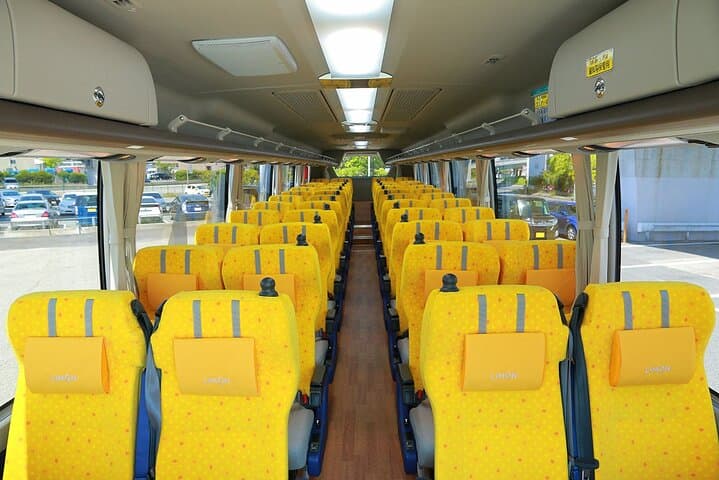
Practical guidance: arrive 10 minutes early, dress in layers for the 5th Station (it can be several degrees colder than Tokyo), and keep a charged phone for photos and emergency contact. Bring small bills for snacks and onsen entry if you continue onward. The bus is comfortable—USB plugs, wide windows, luggage storage—but the real advantage is time: a single, relaxed transfer that stitches Tokyo to mountain hot springs and Fuji’s drama in one day.
easy.
10 hours.
Suitable for all fitness levels; expects ability to walk short distances and manage brief altitude exposure
No — domestic travel within Japan does not require a passport to board the bus, but carry ID and your booking confirmation.
If the 5th Station is inaccessible, the itinerary typically diverts to Oshino Hakkai or a lower viewing point; the operator will advise before or during the trip.
The bus has scheduled restroom breaks at service areas; Mt. Fuji 5th Station and Oshino Hakkai have facilities but expect queues during peak season.
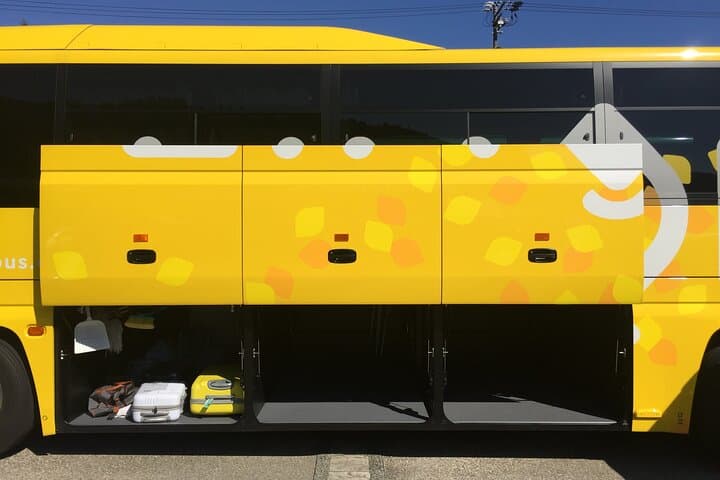
Yes — the service includes luggage storage in the bus hold; keep valuables and essentials with you in the cabin.
Mount Fuji has been sacred in Japanese religion and art for centuries; Oshino Hakkai’s ponds are traditional pilgrimage stops formed by melted snow filtered through volcanic rock.
The Fuji area is ecologically sensitive—stay on paths, avoid disturbing pond sources at Oshino Hakkai, and follow onsen etiquette and local waste rules to reduce impact.
LIMON Tours operates guided outdoor trips and adventures with an emphasis on safety, stewardship, and memorable experiences.

You wake on the bus as Tokyo's concrete grid loosens into rice paddies. Windows frame a country that seems to unfurl just for you: narrow roads, cedar-shaded river bends, and then the cone—Mount Fuji—rising like a slow-breathed presence. The vehicle hums; fellow passengers point and photograph. At 2,300 meters the 5th Station puts you above the clouds and within a colder, thinner air that sharpens sightlines across the Kanto Plain.
You wake on the bus as Tokyo's concrete grid loosens into rice paddies. Windows frame a country that seems to unfurl just for you: narrow roads, cedar-shaded river bends, and then the cone—Mount Fuji—rising like a slow-breathed presence. The vehicle hums; fellow passengers point and photograph. At 2,300 meters the 5th Station puts you above the clouds and within a colder, thinner air that sharpens sightlines across the Kanto Plain.
This route threads modern Tokyo to Hirayu Onsen in the Japanese Alps, passing sites tied to Fuji’s long cultural life. Mt. Fuji’s volcanic layers tell a geologic record of repeated eruptions; Oshino Hakkai’s spring-fed ponds are fed by melted snow filtered through lava, revered by pilgrims for centuries and now part of the Fuji World Heritage landscape. Hirayu retains an onsen-town rhythm—public baths, timber inns, and hearty mountain cuisine.
Expect mostly self-guided sightseeing: 40 minutes at the 5th Station (weather permitting) and an hour at Oshino Hakkai on some departures. The itinerary favors views over strenuous activity, though crisp alpine air and brief altitude gain require attention.
Practical guidance: arrive 10 minutes early, dress in layers for the 5th Station (it can be several degrees colder than Tokyo), and keep a charged phone for photos and emergency contact. Bring small bills for snacks and onsen entry if you continue onward. The bus is comfortable—USB plugs, wide windows, luggage storage—but the real advantage is time: a single, relaxed transfer that stitches Tokyo to mountain hot springs and Fuji’s drama in one day.