THE ADVENTURE COLLECTIVE® · Independent discovery and booking for outdoor travel

Ascend Tokyo Skytree for sweeping 360° city views from the Tembo Deck and a glass-floored skywalk on the Tembo Galleria. This guide covers what to expect, timing tips for the best visibility, accessibility details, and practical ticketing advice.
Ascend Tokyo Skytree for sweeping 360° city views from the Tembo Deck and a glass-floored skywalk on the Tembo Galleria. This guide covers what to expect, timing tips for the best visibility, accessibility details, and practical ticketing advice.
You step off the elevator and the city tilts outward — a grid of lights, rivers and rooftops unfurls beneath your feet. At 350 meters the Tembo Deck gives you a 360-degree vantage that makes Tokyo look deliberate and enormous; at 450 meters the Tembo Galleria’s skywalk pushes that perspective into vertigo and photographable lines.
Verified experiences and guided adventures in the surrounding area.
Operated by Royal Smart Tourism · Tokyo, Tokyo
You step off the elevator and the city tilts outward — a grid of lights, rivers and rooftops unfurls beneath your feet. At 350 meters the Tembo Deck gives you a 360-degree vantage that makes Tokyo look deliberate and enormous; at 450 meters the Tembo Galleria’s skywalk pushes that perspective into vertigo and photographable lines.
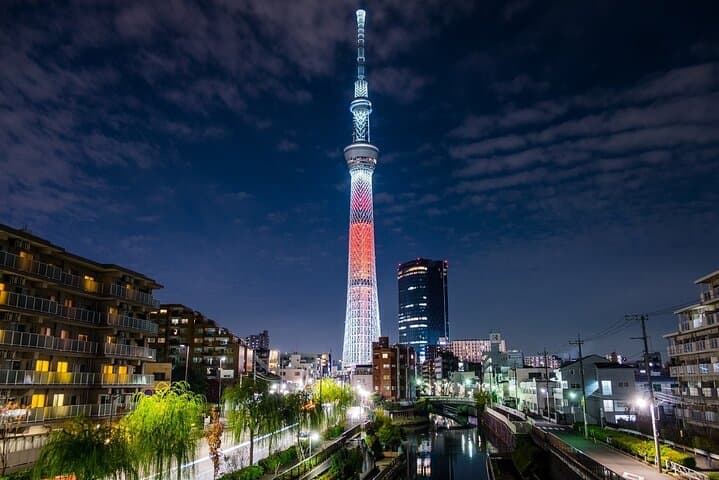
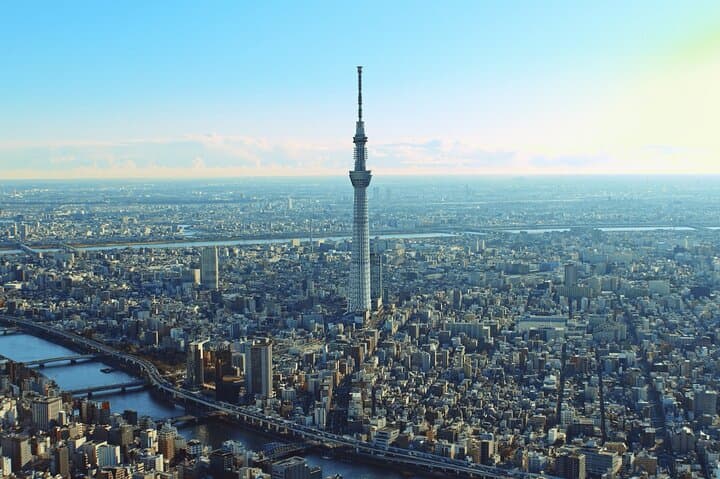
Tokyo Skytree opened in March 2012 as a modern broadcasting tower and has since become Tokyo’s tallest structure at 634 meters. Its design borrows proportion and stability from classic Japanese pagoda engineering while using modern steel and glass to deliver panoramic views stretching to Mount Fuji on clear days. The tower sits on the eastern edge of the old Edo district, a few subway stops from Asakusa’s temples and the Sumida River, linking contemporary skyline sightseeing with riverside history.
Practically, e-tickets are redeemed at the 4th-floor counter — bring the ID required for entry. Choose the Tembo Deck for broad urban context (about 1–1.5 hours) or add the Tembo Galleria for the glass-floored corridor and higher vantage (allow up to 2 hours). Visibility is the variable: mornings and clear winter days give the best distant views; humid summer afternoons tend toward haze.
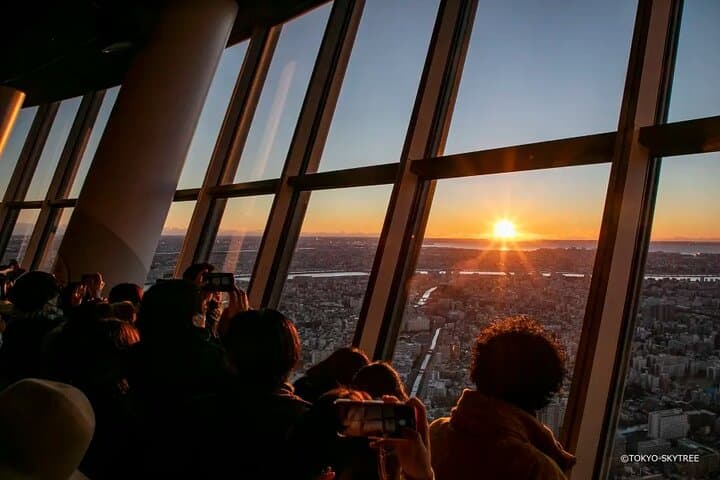
Accessibility is strong — elevators, ramps and wheelchair access — but staff advise against the visit for those with serious spinal or cardiac issues. To make the most of the experience, pre-book a timed ticket, pick a sunrise/sunset window if possible, and pair the visit with a walk along Sumida Park or a stop at Tokyo Solamachi for local food and craft shops.
easy.
1–2 hours.
Suitable for most fitness levels; involves minimal walking and elevator ascent but includes standing and moving between floors.
No — mobile or paper tickets are accepted; show the e-ticket on your phone along with a valid photo ID at redemption.
Yes on clear days, particularly in winter and early mornings; visibility depends on air clarity and weather conditions.
Yes — elevators, ramps, and accessible restrooms are provided; staff can assist, but some areas have viewing barriers to consider.
Deck closures due to severe weather mean limited entry; the vendor’s policy may not refund in some cases, but on-site staff can help reschedule when possible.
Completed in 2012, Tokyo Skytree was built as a broadcasting and observation tower reaching 634 meters, blending modern engineering with references to traditional pagoda design.
The tower and surrounding complex manage large visitor numbers and lighting carefully; visitors are encouraged to minimize waste, follow site rules, and avoid drones or disruptive behavior.
Royal Smart Tourism operates guided outdoor trips and adventures with an emphasis on safety, stewardship, and memorable experiences.
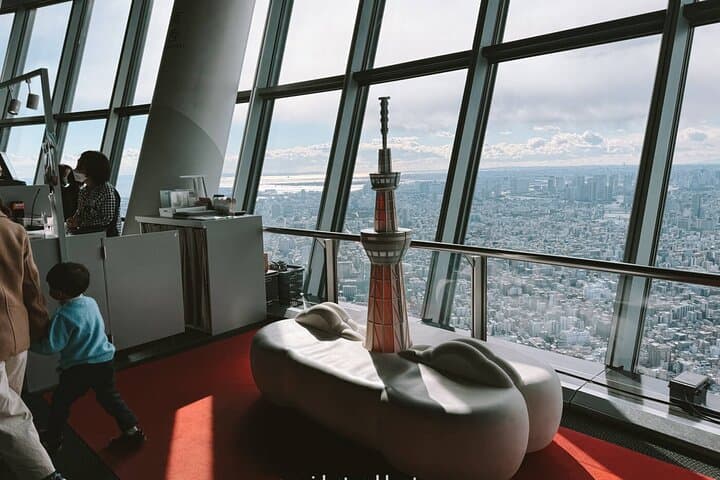
You step off the elevator and the city tilts outward — a grid of lights, rivers and rooftops unfurls beneath your feet. At 350 meters the Tembo Deck gives you a 360-degree vantage that makes Tokyo look deliberate and enormous; at 450 meters the Tembo Galleria’s skywalk pushes that perspective into vertigo and photographable lines.
You step off the elevator and the city tilts outward — a grid of lights, rivers and rooftops unfurls beneath your feet. At 350 meters the Tembo Deck gives you a 360-degree vantage that makes Tokyo look deliberate and enormous; at 450 meters the Tembo Galleria’s skywalk pushes that perspective into vertigo and photographable lines.
Tokyo Skytree opened in March 2012 as a modern broadcasting tower and has since become Tokyo’s tallest structure at 634 meters. Its design borrows proportion and stability from classic Japanese pagoda engineering while using modern steel and glass to deliver panoramic views stretching to Mount Fuji on clear days. The tower sits on the eastern edge of the old Edo district, a few subway stops from Asakusa’s temples and the Sumida River, linking contemporary skyline sightseeing with riverside history.
Practically, e-tickets are redeemed at the 4th-floor counter — bring the ID required for entry. Choose the Tembo Deck for broad urban context (about 1–1.5 hours) or add the Tembo Galleria for the glass-floored corridor and higher vantage (allow up to 2 hours). Visibility is the variable: mornings and clear winter days give the best distant views; humid summer afternoons tend toward haze.
Accessibility is strong — elevators, ramps and wheelchair access — but staff advise against the visit for those with serious spinal or cardiac issues. To make the most of the experience, pre-book a timed ticket, pick a sunrise/sunset window if possible, and pair the visit with a walk along Sumida Park or a stop at Tokyo Solamachi for local food and craft shops.