THE ADVENTURE COLLECTIVE® · Independent discovery and booking for outdoor travel

Wander Shinjuku’s neon arteries with a pro photographer and capture cinematic night portraits across shrines, narrow alleys, and skyline bridges. This 90-minute, 3 km guided walk includes a welcome drink and at least 20 edited images.
Wander Shinjuku’s neon arteries with a pro photographer and capture cinematic night portraits across shrines, narrow alleys, and skyline bridges. This 90-minute, 3 km guided walk includes a welcome drink and at least 20 edited images.
The air tastes like warm exhaust and grilled yakitori as neon washes the pavement in candy-bright color. You meet in Shinjuku Sanchome with a welcome drink, then step into alleys where lanterns and signboards compete for attention—Golden Gai’s tight lanes, the shrine’s quiet amber glow, Kabukicho’s flashing facades and an elevated bridge framing the shard-like skyline.
Verified experiences and guided adventures in the surrounding area.
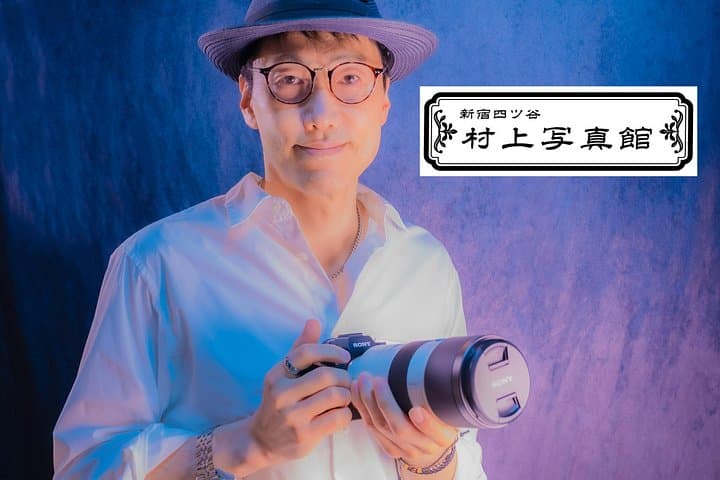
Operated by Shinjuku Night Photo Tour with Pro Gota · Tokyo, Tokyo
The air tastes like warm exhaust and grilled yakitori as neon washes the pavement in candy-bright color. You meet in Shinjuku Sanchome with a welcome drink, then step into alleys where lanterns and signboards compete for attention—Golden Gai’s tight lanes, the shrine’s quiet amber glow, Kabukicho’s flashing facades and an elevated bridge framing the shard-like skyline.
Shinjuku is a postwar urban palimpsest: Edo-era shrines tucked under high-rise office blocks, narrow post-war entertainment lanes that survived redevelopment, and a skyline that grew with Japan’s rapid economic expansion. The stone and concrete here tell a recent geological story—man-made land reclaimed and reshaped; the real history lives in shrines like Hanazono, where lanterns mark centuries of neighborhood devotion.
Culturally, the route balances the theatrical (Godzilla’s stare over Kabukicho) and the intimate (lantern-lit temple corridors), giving photographers a range of textures and color temperatures to work with. Expect a guided 90-minute walk of roughly 3 km, pauses for composed portraits and at least 20 professionally edited images delivered after the tour.
Practical guide: plan for low-light shooting—fast lenses or a steady tripod help, and a lightweight jacket wards off late-night chill. Comfortable shoes matter; pavement is uneven in older alleys. Public transit drops you close; the tour is private and easy for beginners but brings out the best in those who understand basic exposure control. Time your booking for the blue hour through late evening for the richest contrast between sky and neon. Hydrate, carry a small power bank, and leave large tripods at home—this city favors nimble setups and quick creative choices.
easy.
1.5 hours.
Light walking fitness; suitable for most people who can stand and walk for 90 minutes.
A camera is recommended—smartphones can work but a mirrorless/DSLR with manual controls gives better low-light results.
The tour lasts about 90 minutes and covers roughly 3 km, with frequent stops for shooting and composition guidance.
Yes, the tour begins with a welcome drink at a local bar in Shinjuku Sanchome as part of the experience.
Yes, each guest receives at least 20 professionally edited photos after the tour; delivery timeframe is set by the guide.
Shinjuku’s pockets of temples and tiny bars survived postwar rebuilding; Hanazono Shrine has been a spiritual anchor in the neighborhood for centuries.
Respect private and sacred spaces—avoid trampling temple grounds or obstructing small businesses; minimize light pollution by avoiding excessive flash where signs and locals are present.
Shinjuku Night Photo Tour with Pro Gota operates guided outdoor trips and adventures with an emphasis on safety, stewardship, and memorable experiences.
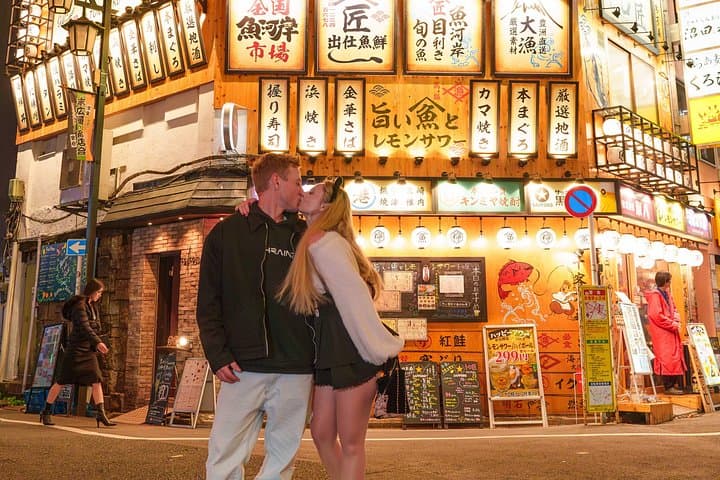
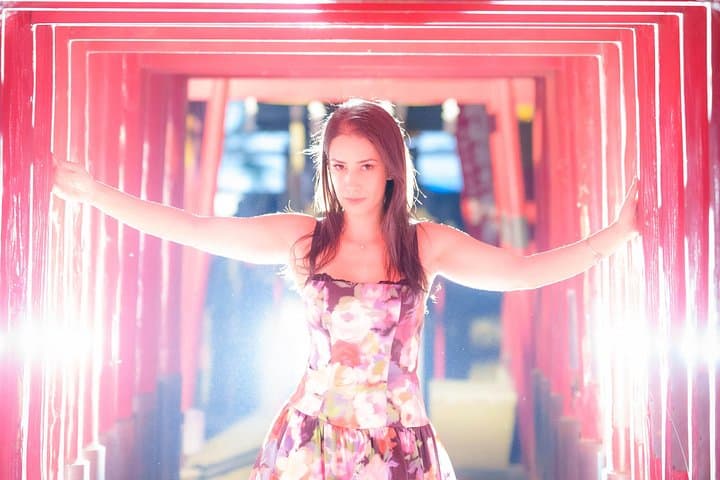
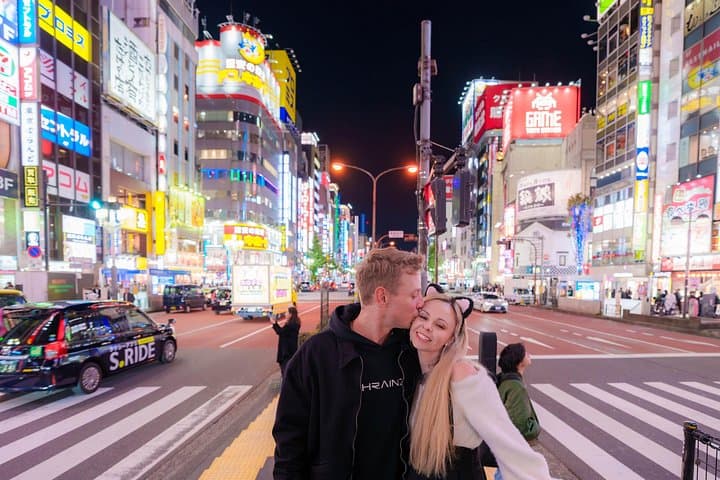
The air tastes like warm exhaust and grilled yakitori as neon washes the pavement in candy-bright color. You meet in Shinjuku Sanchome with a welcome drink, then step into alleys where lanterns and signboards compete for attention—Golden Gai’s tight lanes, the shrine’s quiet amber glow, Kabukicho’s flashing facades and an elevated bridge framing the shard-like skyline.
The air tastes like warm exhaust and grilled yakitori as neon washes the pavement in candy-bright color. You meet in Shinjuku Sanchome with a welcome drink, then step into alleys where lanterns and signboards compete for attention—Golden Gai’s tight lanes, the shrine’s quiet amber glow, Kabukicho’s flashing facades and an elevated bridge framing the shard-like skyline.
Shinjuku is a postwar urban palimpsest: Edo-era shrines tucked under high-rise office blocks, narrow post-war entertainment lanes that survived redevelopment, and a skyline that grew with Japan’s rapid economic expansion. The stone and concrete here tell a recent geological story—man-made land reclaimed and reshaped; the real history lives in shrines like Hanazono, where lanterns mark centuries of neighborhood devotion.
Culturally, the route balances the theatrical (Godzilla’s stare over Kabukicho) and the intimate (lantern-lit temple corridors), giving photographers a range of textures and color temperatures to work with. Expect a guided 90-minute walk of roughly 3 km, pauses for composed portraits and at least 20 professionally edited images delivered after the tour.
Practical guide: plan for low-light shooting—fast lenses or a steady tripod help, and a lightweight jacket wards off late-night chill. Comfortable shoes matter; pavement is uneven in older alleys. Public transit drops you close; the tour is private and easy for beginners but brings out the best in those who understand basic exposure control. Time your booking for the blue hour through late evening for the richest contrast between sky and neon. Hydrate, carry a small power bank, and leave large tripods at home—this city favors nimble setups and quick creative choices.