THE ADVENTURE COLLECTIVE® · Independent discovery and booking for outdoor travel

Experience Tokyo SEGA Joypolis in Odaiba with an unlimited-ride passport for access to three floors of arcade classics and high-tech attractions. This guide covers what to expect, when to go, and practical tips to make the most of your visit.
Experience Tokyo SEGA Joypolis in Odaiba with an unlimited-ride passport for access to three floors of arcade classics and high-tech attractions. This guide covers what to expect, when to go, and practical tips to make the most of your visit.
You step through glass doors into artificial daylight: pulsing screens, retro cabinets, and the mechanical thrum of coasters that squeal through three indoor floors. The bay air slips through Odaiba's walkways outside, but inside SEGA Joypolis the city compresses into concentrated play—VR chambers, rhythm games, and a coaster that tells a neon story.
Verified experiences and guided adventures in the surrounding area.
Operated by Trevopedia Wonders · Tokyo, Tokyo
You step through glass doors into artificial daylight: pulsing screens, retro cabinets, and the mechanical thrum of coasters that squeal through three indoor floors. The bay air slips through Odaiba's walkways outside, but inside SEGA Joypolis the city compresses into concentrated play—VR chambers, rhythm games, and a coaster that tells a neon story.
Odaiba itself is reclaimed land built across the 19th and 20th centuries as part of Tokyo Bay’s defensive and later commercial expansion; today it’s a modern entertainment district where technology and leisure meet. Joypolis continues SEGA’s long cultural thread, connecting classic arcade culture—Sonic sprites and racing cabinets—to Japan’s contemporary appetite for immersive media and themed attractions.
Geology gives way to engineering here: the park sits on landfill islands, so structure and motion are designed for tight, multi-level experiences rather than sweeping natural vistas. Culturally, expect a family-forward, game-savvy crowd, with local events often leaning into anime tie-ins and seasonal campaigns.
Practical guidance: the Passport grants unlimited access to rides but check age and height restrictions for specific attractions. Arrive early to avoid weekend queues, especially for flagship VR titles and the Gekion Live Coaster. Bags are allowed but lockers may be required for larger items; bring a portable charger for photos and game apps. Most attractions are wheelchair-accessible, and public transit to Odaiba is frequent—team travel by Yurikamome or Rinkai lines is the easiest.
Plan 4–6 hours to move through favorites at a relaxed pace; shorter visits are possible if you prioritize top attractions. Hydrate, wear comfortable shoes for standing and queueing, and keep an eye on official hours—special events and maintenance can alter availability.
easy.
8–10 hours.
Suitable for all fitness levels; expect standing and short bursts of walking and climbing stairs.
Yes—the advertised Passport typically includes unlimited rides during operating hours, though some attractions may have separate restrictions or scheduled maintenance.
Yes—several rides, especially VR and coaster attractions, have minimum height or age limits; check onsite signage or the Joypolis website before queuing.
Joypolis lists wheelchair accessibility for most areas and offers accessible transportation routes; contact the venue ahead of time for specific assistance needs.
Food and prize games usually require separate payment; the Passport covers ride access but not all concession purchases or prize tokens.
Odaiba is built on reclaimed islands in Tokyo Bay; its late-20th-century redevelopment transformed military and industrial sites into a leisure and tech-focused district.
Visitors are encouraged to use public transit to reduce emissions; the area follows strict waste-sorting practices—dispose of trash in designated bins and avoid single-use plastics when possible.
Trevopedia Wonders operates guided outdoor trips and adventures with an emphasis on safety, stewardship, and memorable experiences.
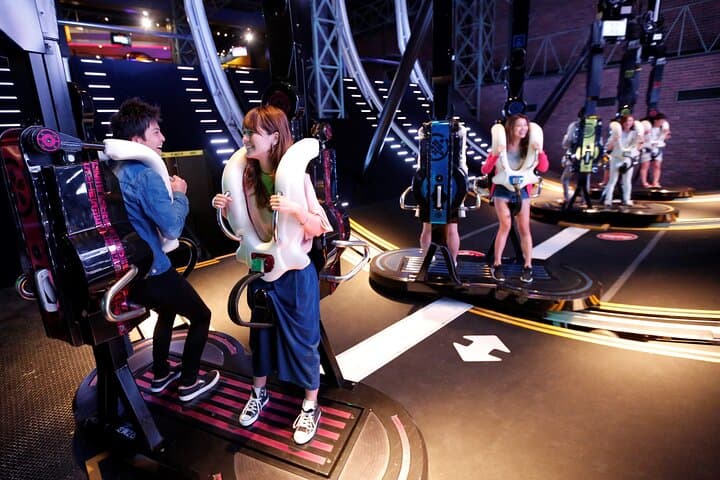
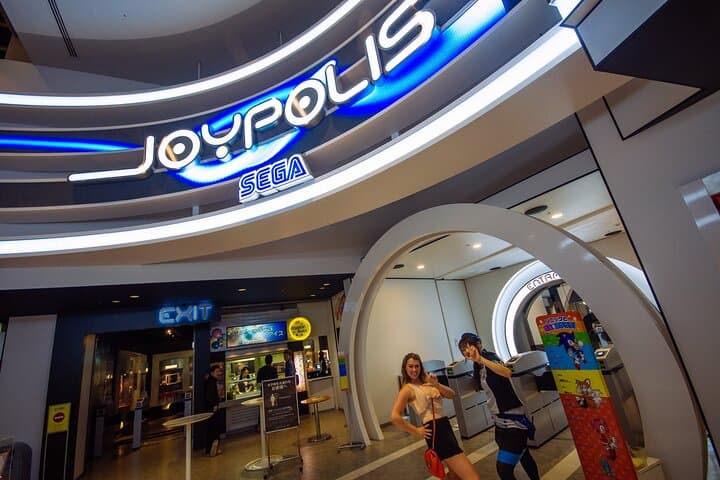
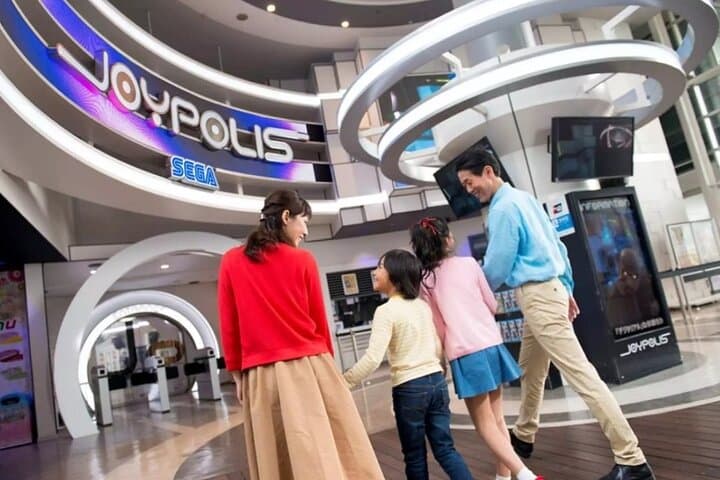
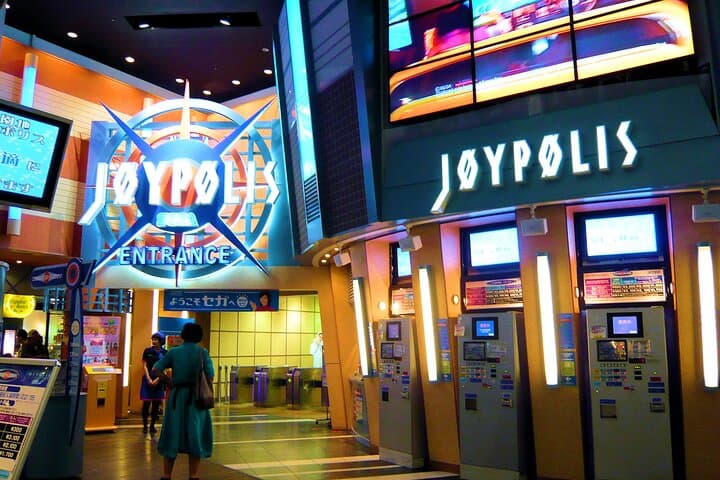
You step through glass doors into artificial daylight: pulsing screens, retro cabinets, and the mechanical thrum of coasters that squeal through three indoor floors. The bay air slips through Odaiba's walkways outside, but inside SEGA Joypolis the city compresses into concentrated play—VR chambers, rhythm games, and a coaster that tells a neon story.
You step through glass doors into artificial daylight: pulsing screens, retro cabinets, and the mechanical thrum of coasters that squeal through three indoor floors. The bay air slips through Odaiba's walkways outside, but inside SEGA Joypolis the city compresses into concentrated play—VR chambers, rhythm games, and a coaster that tells a neon story.
Odaiba itself is reclaimed land built across the 19th and 20th centuries as part of Tokyo Bay’s defensive and later commercial expansion; today it’s a modern entertainment district where technology and leisure meet. Joypolis continues SEGA’s long cultural thread, connecting classic arcade culture—Sonic sprites and racing cabinets—to Japan’s contemporary appetite for immersive media and themed attractions.
Geology gives way to engineering here: the park sits on landfill islands, so structure and motion are designed for tight, multi-level experiences rather than sweeping natural vistas. Culturally, expect a family-forward, game-savvy crowd, with local events often leaning into anime tie-ins and seasonal campaigns.
Practical guidance: the Passport grants unlimited access to rides but check age and height restrictions for specific attractions. Arrive early to avoid weekend queues, especially for flagship VR titles and the Gekion Live Coaster. Bags are allowed but lockers may be required for larger items; bring a portable charger for photos and game apps. Most attractions are wheelchair-accessible, and public transit to Odaiba is frequent—team travel by Yurikamome or Rinkai lines is the easiest.
Plan 4–6 hours to move through favorites at a relaxed pace; shorter visits are possible if you prioritize top attractions. Hydrate, wear comfortable shoes for standing and queueing, and keep an eye on official hours—special events and maintenance can alter availability.