THE ADVENTURE COLLECTIVE® · Independent discovery and booking for outdoor travel

Learn basic samurai sword work in a hands-on, actor-led workshop in central Tokyo. This one-hour session mixes practical instruction, a live demonstration, and a staged action scene suitable for beginners.
Learn basic samurai sword work in a hands-on, actor-led workshop in central Tokyo. This one-hour session mixes practical instruction, a live demonstration, and a staged action scene suitable for beginners.
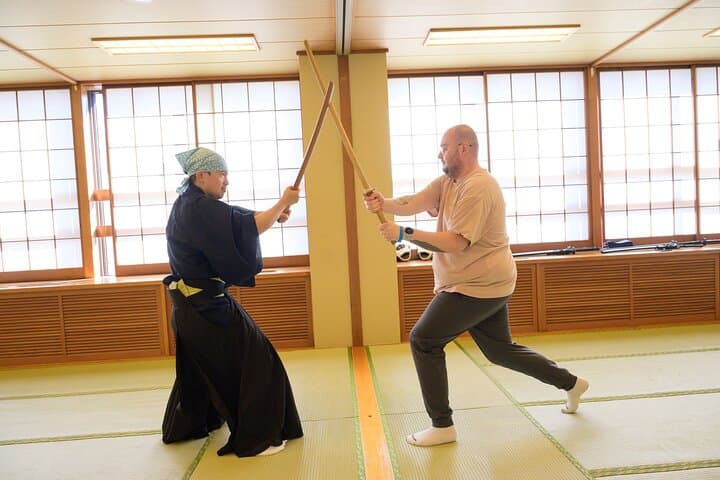
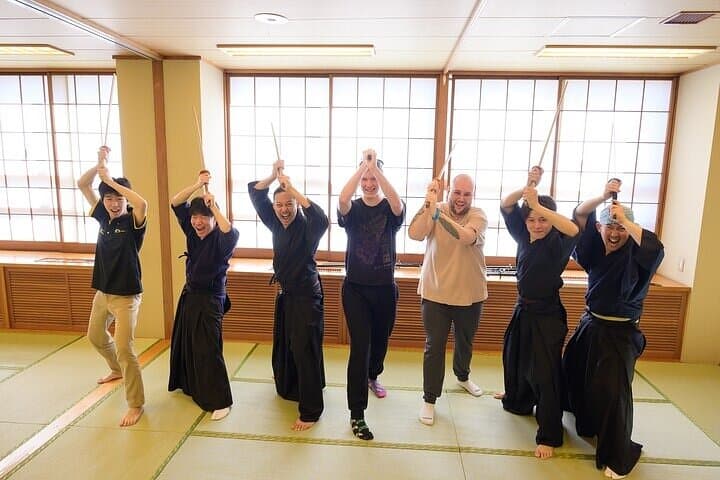
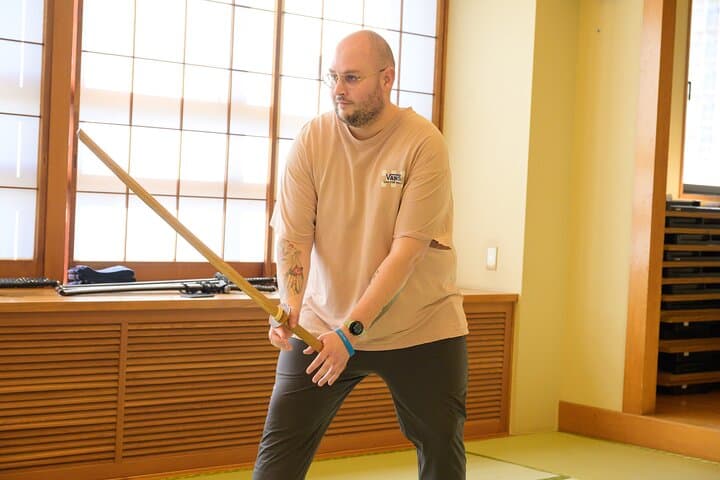
A low rumble of subway and distant traffic gives way to the clipped rhythm of wooden swords striking practice targets. Step through a modest studio door in central Tokyo and the city's noise tightens into focus around the tempo of kata: measured, deliberate, alive. This one-hour samurai workshop pairs visitors with professional instructors — many former action actors — who demonstrate timing, posture, and simple cutting mechanics using safe training swords.
Verified experiences and guided adventures in the surrounding area.
Operated by Tokyo Samurai Experience ICHI · Tokyo, Tokyo
A low rumble of subway and distant traffic gives way to the clipped rhythm of wooden swords striking practice targets. Step through a modest studio door in central Tokyo and the city's noise tightens into focus around the tempo of kata: measured, deliberate, alive. This one-hour samurai workshop pairs visitors with professional instructors — many former action actors — who demonstrate timing, posture, and simple cutting mechanics using safe training swords.
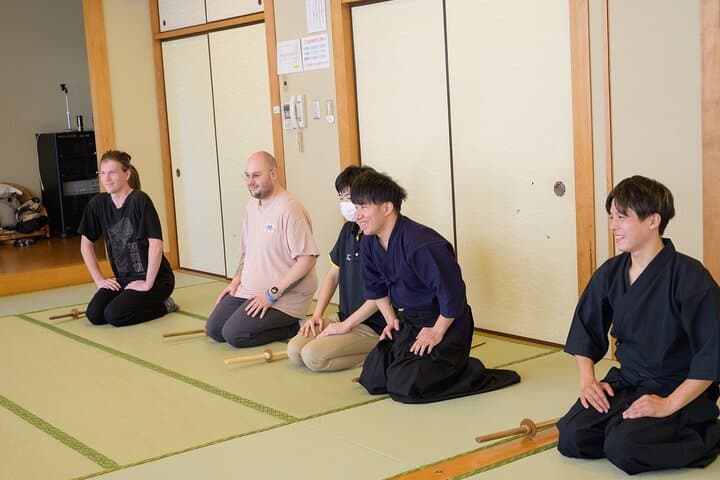
The program opens with a short history primer tracing samurai code from feudal Edo to modern performance arts, explaining how martial technique was refined into stage combat and choreography. The room's polished floor and painted screens echo the practicality of Edo-period training halls, while the nearby high-rises remind you this is a contemporary city honoring an older craft.
Culturally, the class bridges living tradition and urban entertainment: students learn basic grips, footwork, and two-people sequences, then rehearse an action scene alongside Japanese trainees. It’s not a competitive dojo — it’s a controlled, theatrical lesson emphasizing safety and showmanship.
Practical guidance: wear comfortable, non-restrictive clothing and closed-toe shoes that allow quick weight shifts. Expect standing drills, partner practice, and a short demonstration; bring a small bottle of water and arrive 10–15 minutes early for orientation. Photography is usually allowed during posed photo time, but follow instructor direction during drills. For travelers based near Tokyo Station, Ginza, or Tsukiji, this class is an accessible, energetic way to experience samurai technique without prior experience.
easy.
1 hour.
Suitable for most fitness levels; requires basic mobility, balance, and ability to stand and move for short intervals.
No — the workshop is designed for beginners and focuses on basic grips, footwork, and staged sequences under close instructor supervision.
No — participants use wooden training swords and are coached on safe distance and timing; instructors manage partner drills to avoid contact.
Photography is usually permitted during the final posed photo session; during drills follow the instructor's guidance to ensure safety.
Yes — classes are located centrally and are reachable from Tokyo Station, Ginza, and nearby subway stops.
The samurai class traces technique back to Edo-era warrior schools; modern workshops often blend historical practice with theatrical stage combat traditions.
Respect for cultural artifacts and traditional dress is emphasized; choose operators who maintain safe, community-minded instruction and avoid performances that exploit historical imagery.
Tokyo Samurai Experience ICHI operates guided outdoor trips and adventures with an emphasis on safety, stewardship, and memorable experiences.
A low rumble of subway and distant traffic gives way to the clipped rhythm of wooden swords striking practice targets. Step through a modest studio door in central Tokyo and the city's noise tightens into focus around the tempo of kata: measured, deliberate, alive. This one-hour samurai workshop pairs visitors with professional instructors — many former action actors — who demonstrate timing, posture, and simple cutting mechanics using safe training swords.
A low rumble of subway and distant traffic gives way to the clipped rhythm of wooden swords striking practice targets. Step through a modest studio door in central Tokyo and the city's noise tightens into focus around the tempo of kata: measured, deliberate, alive. This one-hour samurai workshop pairs visitors with professional instructors — many former action actors — who demonstrate timing, posture, and simple cutting mechanics using safe training swords.
The program opens with a short history primer tracing samurai code from feudal Edo to modern performance arts, explaining how martial technique was refined into stage combat and choreography. The room's polished floor and painted screens echo the practicality of Edo-period training halls, while the nearby high-rises remind you this is a contemporary city honoring an older craft.
Culturally, the class bridges living tradition and urban entertainment: students learn basic grips, footwork, and two-people sequences, then rehearse an action scene alongside Japanese trainees. It’s not a competitive dojo — it’s a controlled, theatrical lesson emphasizing safety and showmanship.
Practical guidance: wear comfortable, non-restrictive clothing and closed-toe shoes that allow quick weight shifts. Expect standing drills, partner practice, and a short demonstration; bring a small bottle of water and arrive 10–15 minutes early for orientation. Photography is usually allowed during posed photo time, but follow instructor direction during drills. For travelers based near Tokyo Station, Ginza, or Tsukiji, this class is an accessible, energetic way to experience samurai technique without prior experience.