THE ADVENTURE COLLECTIVE® · Independent discovery and booking for outdoor travel

Train under a master with direct samurai lineage—learn iai, paired sword drills, and try traditional archery in a focused dojo class. Expect rigorous technique, authentic demonstrations, and practical instruction over a 2½-hour session.
Train under a master with direct samurai lineage—learn iai, paired sword drills, and try traditional archery in a focused dojo class. Expect rigorous technique, authentic demonstrations, and practical instruction over a 2½-hour session.
You step into a low-slung dojo in Tokyo and the wooden floor answers with a quiet echo, ready for the cut. The air carries the scent of polished timber and lacquer; the instructor’s presence draws a line between modern Tokyo and a lineage that predates the city’s glass and neon.
Verified experiences and guided adventures in the surrounding area.
Operated by 戸山流備前会/Toyama-Ryu BIZENKAI · Tokyo, Tokyo
You step into a low-slung dojo in Tokyo and the wooden floor answers with a quiet echo, ready for the cut. The air carries the scent of polished timber and lacquer; the instructor’s presence draws a line between modern Tokyo and a lineage that predates the city’s glass and neon.
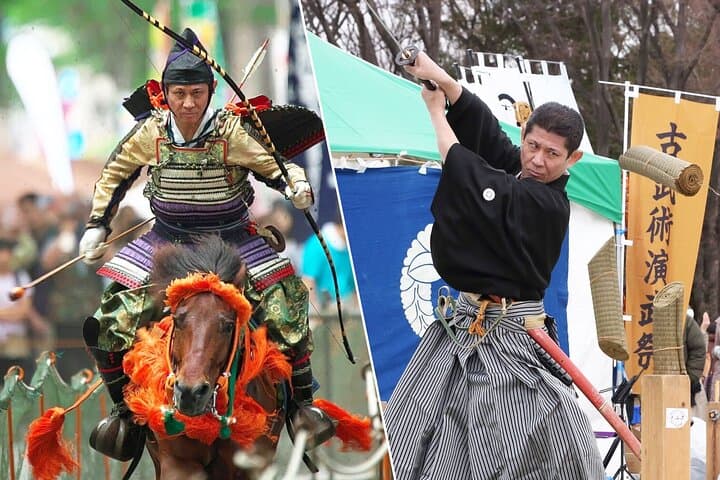
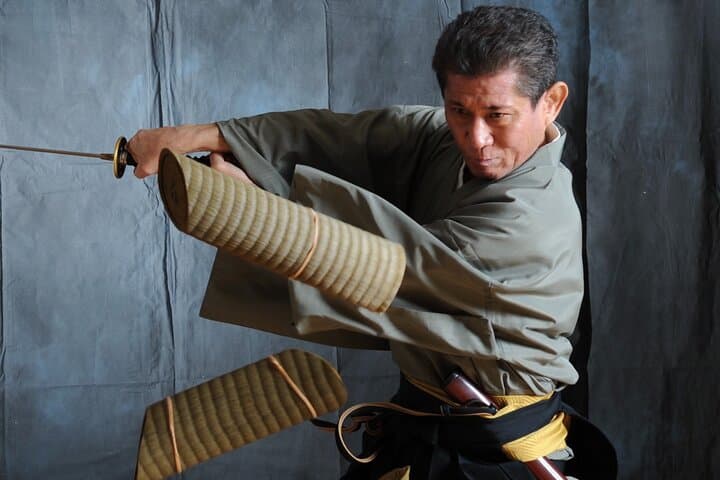
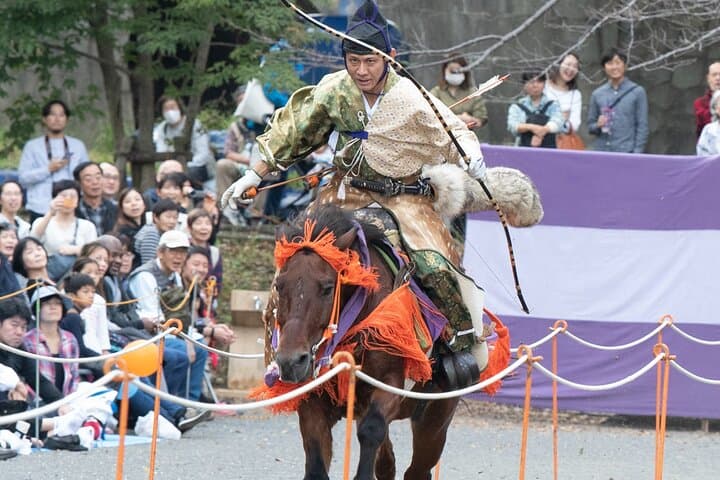
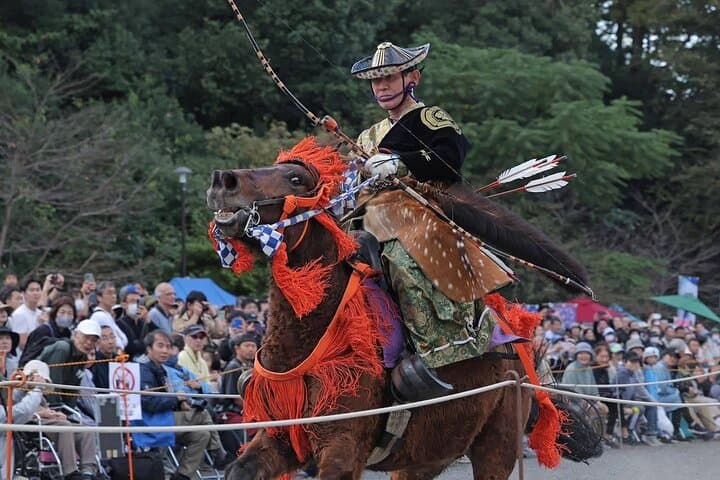
This class pairs iai (drawing and slashing), gekken (paired practice), and traditional archery techniques descended from horseback archery (yabusame). Samurai sword craft evolved alongside Japan’s feudal era; bows were the dominant weapon a thousand years ago before the katana rose in cultural prominence. Tokyo sits on the Kanto Plain—flat ground that enabled communication and training schools to proliferate—while the distant silhouette of Fuji, when visible, frames centuries of martial tradition.
You’ll receive a short lecture on sword construction and Toyama-ryu lineage, don training wear, and progress through kata, controlled sparring with wooden swords, and basic arrow handling. Demonstrations from a Toyama-ryu 7th grade master show techniques preserved through rigorous practice rather than staged spectacle.
Practical guidance: arrive on time and answer pre-booking height/weight questions—these inform fit for the practice uniform and safety. The session lasts about 2½ hours; expect periods of standing, stepping, and guided swings rather than sustained cardio. No prior experience required, but disclose any spine, heart, or pregnancy concerns ahead of booking. Photography rules vary—ask before filming demonstrations. Bring light athletic clothing; the dojo provides practice uniforms and equipment. This is a focused cultural training—plan to listen, follow instruction closely, and treat the lineage with respect.
easy.
2–3 hours.
Suitable for participants with basic mobility and coordination; expect standing, stepping, controlled strikes, and light sparring.
No prior experience is required; the class is structured for beginners through experienced practitioners with step-by-step instruction.
Measurements are used to fit practice uniforms and ensure training gear and movement ranges are safe and appropriate.
Check age requirements with the host—physical readiness and attention span matter; infants must sit on laps and some activities require adult supervision.
Full refund is available if you cancel at least 24 hours before the scheduled time; cancellations within 24 hours are non-refundable.
The techniques taught draw from samurai-era disciplines; yabusame (horseback archery) predates the katana’s iconic status and influenced ceremonial schools like Toyama-ryu.
Classes emphasize transmission of intangible cultural heritage—respectful practice and limited class sizes help preserve techniques and dojo integrity.
戸山流備前会/Toyama-Ryu BIZENKAI operates guided outdoor trips and adventures with an emphasis on safety, stewardship, and memorable experiences.
You step into a low-slung dojo in Tokyo and the wooden floor answers with a quiet echo, ready for the cut. The air carries the scent of polished timber and lacquer; the instructor’s presence draws a line between modern Tokyo and a lineage that predates the city’s glass and neon.
You step into a low-slung dojo in Tokyo and the wooden floor answers with a quiet echo, ready for the cut. The air carries the scent of polished timber and lacquer; the instructor’s presence draws a line between modern Tokyo and a lineage that predates the city’s glass and neon.
This class pairs iai (drawing and slashing), gekken (paired practice), and traditional archery techniques descended from horseback archery (yabusame). Samurai sword craft evolved alongside Japan’s feudal era; bows were the dominant weapon a thousand years ago before the katana rose in cultural prominence. Tokyo sits on the Kanto Plain—flat ground that enabled communication and training schools to proliferate—while the distant silhouette of Fuji, when visible, frames centuries of martial tradition.
You’ll receive a short lecture on sword construction and Toyama-ryu lineage, don training wear, and progress through kata, controlled sparring with wooden swords, and basic arrow handling. Demonstrations from a Toyama-ryu 7th grade master show techniques preserved through rigorous practice rather than staged spectacle.
Practical guidance: arrive on time and answer pre-booking height/weight questions—these inform fit for the practice uniform and safety. The session lasts about 2½ hours; expect periods of standing, stepping, and guided swings rather than sustained cardio. No prior experience required, but disclose any spine, heart, or pregnancy concerns ahead of booking. Photography rules vary—ask before filming demonstrations. Bring light athletic clothing; the dojo provides practice uniforms and equipment. This is a focused cultural training—plan to listen, follow instruction closely, and treat the lineage with respect.