THE ADVENTURE COLLECTIVE® · Independent discovery and booking for outdoor travel

Don a hakama, learn basic Iaido cuts and try choreographed sparring with a safe replica sword at the Samurai & Ninja Museum in Shinjuku. This 75-minute hands-on session combines practical martial technique with a short museum tour and cultural context.
Don a hakama, learn basic Iaido cuts and try choreographed sparring with a safe replica sword at the Samurai & Ninja Museum in Shinjuku. This 75-minute hands-on session combines practical martial technique with a short museum tour and cultural context.
Step through the museum door and the city’s neon hum recedes; a wooden practice sword rests like a patient teacher in your hands and the hakama drapes heavier than it looks. The experience begins with posture and breath, then moves into basic Iaido cuts and a supervised, choreographed sparring drill using safe replicas — a compact, physical lesson in discipline and timing.
Verified experiences and guided adventures in the surrounding area.
Operated by Maikoya · Tokyo, Tokyo
Step through the museum door and the city’s neon hum recedes; a wooden practice sword rests like a patient teacher in your hands and the hakama drapes heavier than it looks. The experience begins with posture and breath, then moves into basic Iaido cuts and a supervised, choreographed sparring drill using safe replicas — a compact, physical lesson in discipline and timing.
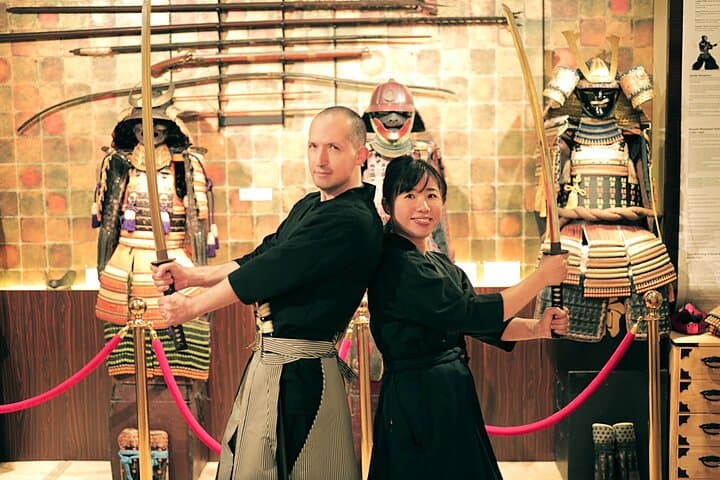
The Samurai & Ninja Museum in Shinjuku frames the modern lesson with history: displays of armor and bladed craft trace the evolution of the samurai class from feudal commanders to cultural icons. Geology is less obvious here than in a mountain pass, but Tokyo’s built landscape—reclaimed land, river channels hidden below streets—shaped the cities where these warriors lived and were later memorialized.
Cultural context matters: modern Japan protects real blades as cultural artifacts and a recent law restricts public handling of sharp swords. That’s why this program uses training replicas and emphasizes technique over danger. Local guides often add color with anecdotes about Edo-period swordsmiths and the changing role of martial training in contemporary Japan.
Practical guidance: the session runs about 75 minutes, is accessible to most adults and older children (no under-6s), and includes a short museum tour. Wear comfortable, loose clothing you can step into a hakama over; expect standing and light movement. Arrive 10–15 minutes early to check in and store bags. Photography is typically allowed during posed photos but follow instructor direction during drills. This is a focused, hands-on cultural hour that balances safe practice with genuine historical context.
easy.
1–1.5 hours.
Suitable for people with average mobility and light standing; some balance and coordination required
No — current regulations prohibit public handling of sharp swords, so the experience uses safe replica swords and focuses on technique.
Children under 6 cannot enter the samurai venue; older children can participate if they meet the instructor’s safety and size requirements.
Yes — the venue notes wheelchair and stroller accessibility; contact the provider in advance for specific assistance needs.
For a full refund cancel at least 24 hours before the scheduled start time; check your booking confirmation for details.
The samurai class emerged in Japan’s Heian and Kamakura periods; museums like this collect armor and swords that illustrate both battlefield practice and ceremonial craft.
The museum avoids handling original sharp blades for safety and preservation; visitors are asked to follow photography and touching rules to protect artifacts.
Maikoya operates guided outdoor trips and adventures with an emphasis on safety, stewardship, and memorable experiences.
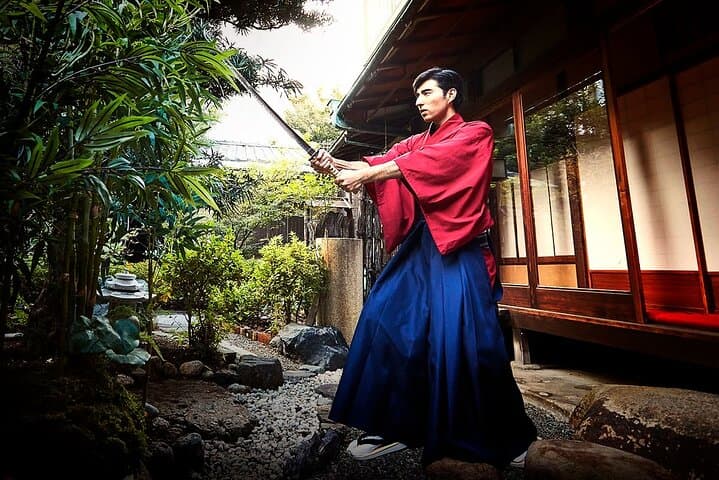
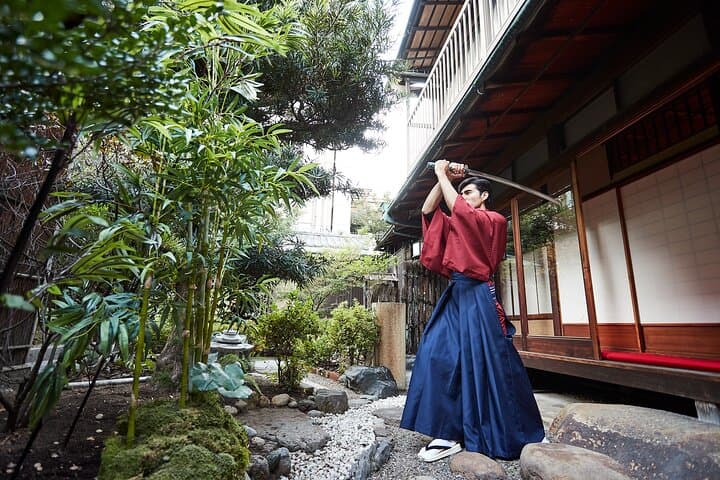
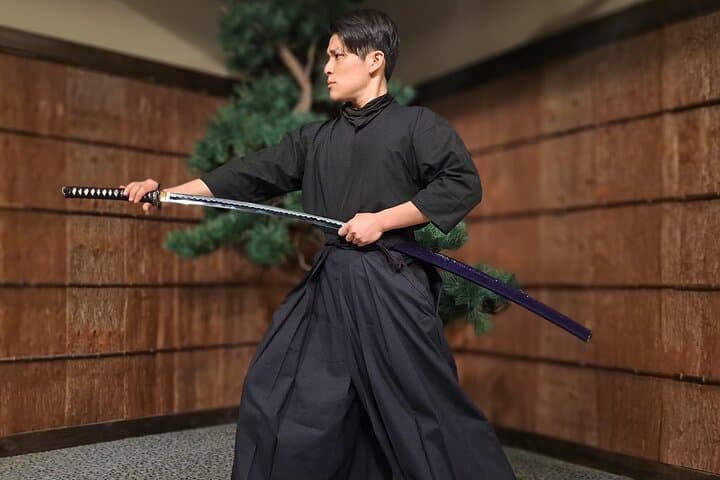
Step through the museum door and the city’s neon hum recedes; a wooden practice sword rests like a patient teacher in your hands and the hakama drapes heavier than it looks. The experience begins with posture and breath, then moves into basic Iaido cuts and a supervised, choreographed sparring drill using safe replicas — a compact, physical lesson in discipline and timing.
Step through the museum door and the city’s neon hum recedes; a wooden practice sword rests like a patient teacher in your hands and the hakama drapes heavier than it looks. The experience begins with posture and breath, then moves into basic Iaido cuts and a supervised, choreographed sparring drill using safe replicas — a compact, physical lesson in discipline and timing.
The Samurai & Ninja Museum in Shinjuku frames the modern lesson with history: displays of armor and bladed craft trace the evolution of the samurai class from feudal commanders to cultural icons. Geology is less obvious here than in a mountain pass, but Tokyo’s built landscape—reclaimed land, river channels hidden below streets—shaped the cities where these warriors lived and were later memorialized.
Cultural context matters: modern Japan protects real blades as cultural artifacts and a recent law restricts public handling of sharp swords. That’s why this program uses training replicas and emphasizes technique over danger. Local guides often add color with anecdotes about Edo-period swordsmiths and the changing role of martial training in contemporary Japan.
Practical guidance: the session runs about 75 minutes, is accessible to most adults and older children (no under-6s), and includes a short museum tour. Wear comfortable, loose clothing you can step into a hakama over; expect standing and light movement. Arrive 10–15 minutes early to check in and store bags. Photography is typically allowed during posed photos but follow instructor direction during drills. This is a focused, hands-on cultural hour that balances safe practice with genuine historical context.