THE ADVENTURE COLLECTIVE® · Independent discovery and booking for outdoor travel

Half a day in Tokyo that pairs a hands-on Iaido lesson with visits to a samurai residence, sword museum, and specialist sword shop. Learn the ethics, forging methods, and practical discipline that turned blades into cultural icons.
Half a day in Tokyo that pairs a hands-on Iaido lesson with visits to a samurai residence, sword museum, and specialist sword shop. Learn the ethics, forging methods, and practical discipline that turned blades into cultural icons.
You step off a narrow Tokyo side street and into a quieter, older rhythm: wooden eaves, stone lanterns, and the low hum of a city that learned discipline centuries ago. The guide leads the group past a former feudal residence garden where clipped pines and a reflective pond set the stage for a story of duty, rank, and ritual.
Verified experiences and guided adventures in the surrounding area.
Operated by Arumachi · Tokyo, Tokyo
You step off a narrow Tokyo side street and into a quieter, older rhythm: wooden eaves, stone lanterns, and the low hum of a city that learned discipline centuries ago. The guide leads the group past a former feudal residence garden where clipped pines and a reflective pond set the stage for a story of duty, rank, and ritual.
Over the next four hours the tour traces the samurai arc—from ethical code to steel. In the garden the guide explains how Edo-period daimyo maintained urban residences to comply with the shogunate’s rules; the lesson moves to a sword museum where polished blades are displayed like living history. The curator’s basics on traditional tamahagane steel and forging timelines reveal why techniques survived despite seeming inefficient.
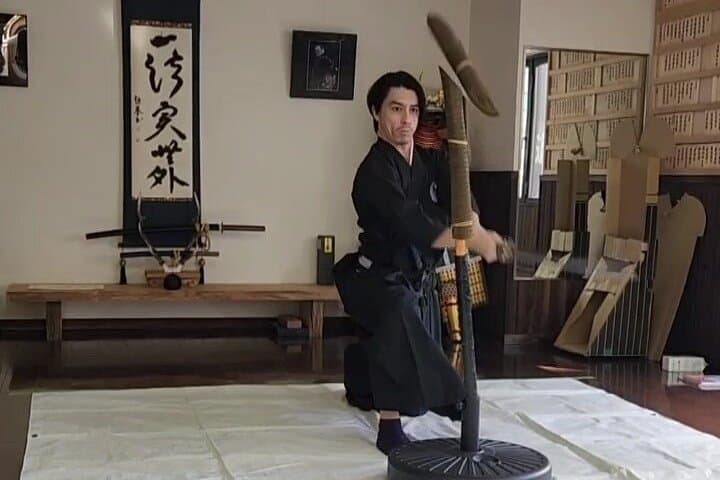
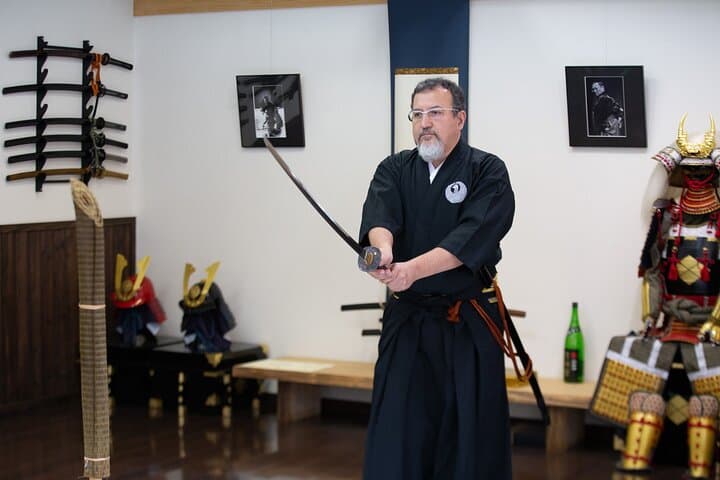
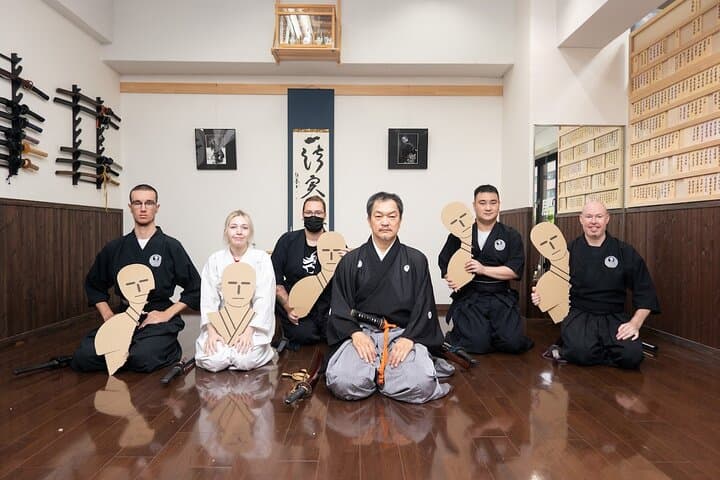
The practical centerpiece is an Iaido session at a dojo: students don hakama, learn stances, and practice clean cuts on a cardboard substitute under a master’s eye. A live demonstration afterward highlights the speed and restraint that made the sword more than a weapon—an aesthetic and ethical practice.
Logistics are straightforward: this is a guided, small-group program with some light standing and movement, urban walking between sites, and an option to purchase swords or attire with shop assistance. Expect clear safety briefings, limited profiled physical demand, and opportunities to photograph exhibits (respecting museum rules). Bring ID for purchases, arrive with modest clothing for the dojo, and leave with a grounded sense of how samurai values shaped modern Japan.
moderate.
3–4 hours.
Suitable for travelers with moderate fitness—able to stand, kneel, and perform basic movement for short periods.
For safety the experience uses a cardboard or safe substitute rather than a tatami omote; instructors demonstrate proper technique and supervise your attempt.
Yes—participants may visit a licensed sword shop; purchases require ID and may involve export restrictions and paperwork depending on your home country.
Yes—sessions are introductory, led by a master who teaches basic draws and safety; you do not need prior experience.
The tour involves stairs, kneeling, and standing; travelers with significant mobility limitations should contact the operator to review accessibility options before booking.
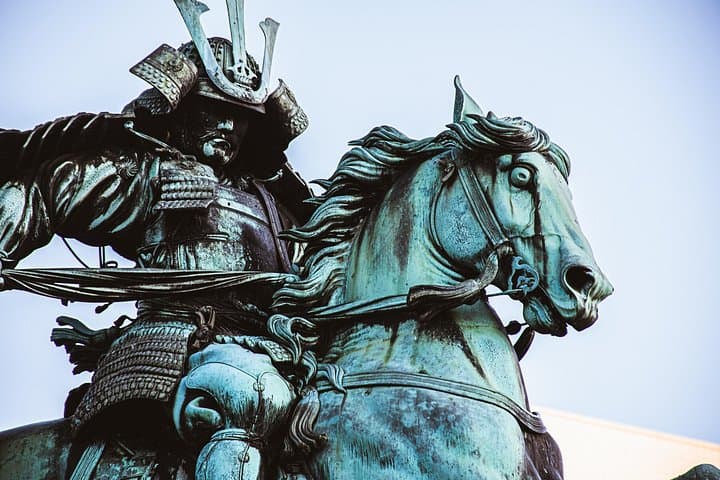
Samurai were a ruling military class from the Heian period through the Meiji Restoration; their swords were both tools of war and symbols of social order.
Museums and shops follow strict preservation protocols for blades—temperature, humidity control, and limited handling protect steel and fittings, and guides encourage respectful viewing.
Arumachi operates guided outdoor trips and adventures with an emphasis on safety, stewardship, and memorable experiences.
You step off a narrow Tokyo side street and into a quieter, older rhythm: wooden eaves, stone lanterns, and the low hum of a city that learned discipline centuries ago. The guide leads the group past a former feudal residence garden where clipped pines and a reflective pond set the stage for a story of duty, rank, and ritual.
You step off a narrow Tokyo side street and into a quieter, older rhythm: wooden eaves, stone lanterns, and the low hum of a city that learned discipline centuries ago. The guide leads the group past a former feudal residence garden where clipped pines and a reflective pond set the stage for a story of duty, rank, and ritual.
Over the next four hours the tour traces the samurai arc—from ethical code to steel. In the garden the guide explains how Edo-period daimyo maintained urban residences to comply with the shogunate’s rules; the lesson moves to a sword museum where polished blades are displayed like living history. The curator’s basics on traditional tamahagane steel and forging timelines reveal why techniques survived despite seeming inefficient.
The practical centerpiece is an Iaido session at a dojo: students don hakama, learn stances, and practice clean cuts on a cardboard substitute under a master’s eye. A live demonstration afterward highlights the speed and restraint that made the sword more than a weapon—an aesthetic and ethical practice.
Logistics are straightforward: this is a guided, small-group program with some light standing and movement, urban walking between sites, and an option to purchase swords or attire with shop assistance. Expect clear safety briefings, limited profiled physical demand, and opportunities to photograph exhibits (respecting museum rules). Bring ID for purchases, arrive with modest clothing for the dojo, and leave with a grounded sense of how samurai values shaped modern Japan.