THE ADVENTURE COLLECTIVE® · Independent discovery and booking for outdoor travel

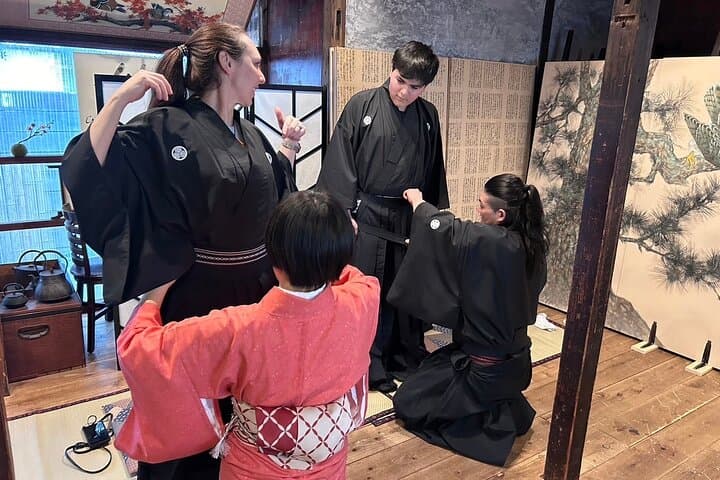
Step into a 90-year-old Tokyo house for a hands-on Bushido lesson: don kimono and hakama, learn sword drawing and basic kata from an instructor, and finish with traditional tea and portraits. A practical, cultural introduction to samurai practice close to Asakusa.
Step into a 90-year-old Tokyo house for a hands-on Bushido lesson: don kimono and hakama, learn sword drawing and basic kata from an instructor, and finish with traditional tea and portraits. A practical, cultural introduction to samurai practice close to Asakusa.
You step over a low wooden threshold and the city noise shutters behind you; sunlight tilts across aged floorboards as an instructor in hakama unfolds a long steel edge.
Verified experiences and guided adventures in the surrounding area.
Operated by rojicoya · Tokyo, Tokyo
You step over a low wooden threshold and the city noise shutters behind you; sunlight tilts across aged floorboards as an instructor in hakama unfolds a long steel edge.
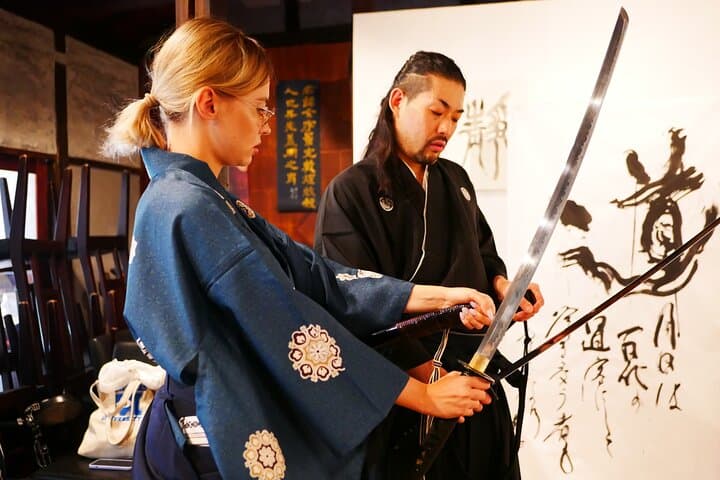
This private Bushido experience takes place in an antique Japanese house more than ninety years old, within easy reach of Asakusa and Ueno. The program pairs hands-on sword instruction with costume, ceremony and a quiet tea ritual—an introduction to samurai techniques rather than battlefield training.
Historically, the samurai code shaped Edo-period Tokyo (then Edo), and the house itself reflects early 20th-century urban timber architecture: simple lines, sliding doors and moments of quietly worn wood. The lesson connects technique—drawing, holding, swinging, retracting—with cultural context: etiquette, posture and the ceremonial calm that accompanies traditional martial arts.
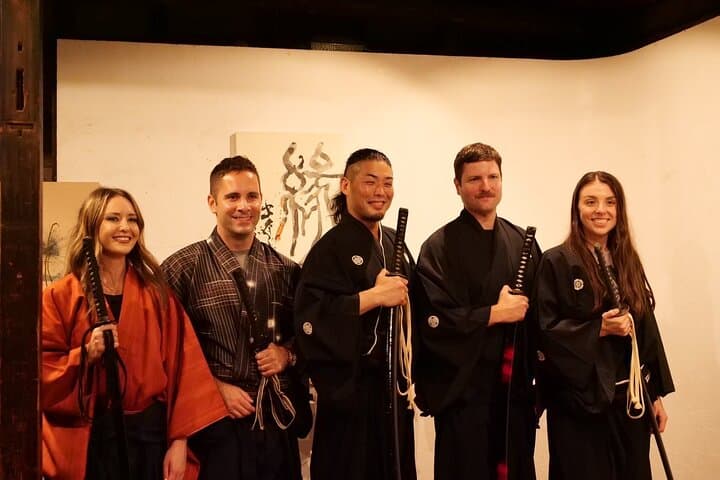
Expect a group or private format led in English, with instructors guiding beginners through repeated drills before paired practice. Photography and video are allowed; a formal portrait in kimono and hakama rounds out the visit, followed by carefully selected Japanese tea.
Practically: the session runs about 90 minutes, requires no prior experience but does ask that participants be free of serious back, heart or pregnancy restrictions. Wear comfortable layers you can move in (kimono provided). Public transit access is excellent; arrivals by Asakusa or Ueno stations are straightforward. Bring identification for booking details and plan for modest footware; shoes are removed indoors. The experience is cultural, tactile and safe when instructors control the pace—expect respectful firmness, not theatrical danger.
easy.
1.5 hours.
Light mobility and the ability to stand and follow guided movement for the session; no special fitness required
No—this program is designed for beginners with step-by-step instruction; the focus is on form and safety rather than combat training.
Yes—participants are welcome to photograph and film during the session and the portrait segment.
The experience is not recommended for pregnant travelers or those with serious back or heart conditions; disclose health issues at booking.
Bookings can be private or small-group depending on availability; the listing notes private-space experiences and single-person bookings are possible.
The samurai code, or Bushido, shaped Edo-era social and martial practices; the house’s timber construction reflects Tokyo’s pre-war urban vernacular.
The site operates within an urban cultural-preservation context—respect the historic interior by following shoe and handling rules to reduce wear and maintain authenticity.
rojicoya operates guided outdoor trips and adventures with an emphasis on safety, stewardship, and memorable experiences.
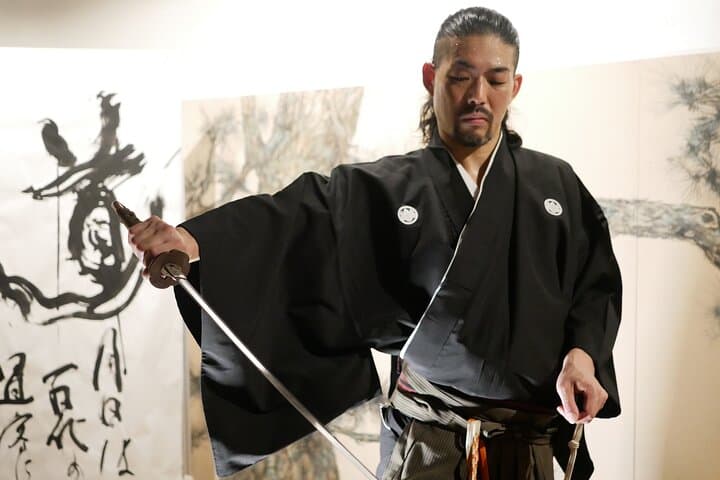
You step over a low wooden threshold and the city noise shutters behind you; sunlight tilts across aged floorboards as an instructor in hakama unfolds a long steel edge.
You step over a low wooden threshold and the city noise shutters behind you; sunlight tilts across aged floorboards as an instructor in hakama unfolds a long steel edge.
This private Bushido experience takes place in an antique Japanese house more than ninety years old, within easy reach of Asakusa and Ueno. The program pairs hands-on sword instruction with costume, ceremony and a quiet tea ritual—an introduction to samurai techniques rather than battlefield training.
Historically, the samurai code shaped Edo-period Tokyo (then Edo), and the house itself reflects early 20th-century urban timber architecture: simple lines, sliding doors and moments of quietly worn wood. The lesson connects technique—drawing, holding, swinging, retracting—with cultural context: etiquette, posture and the ceremonial calm that accompanies traditional martial arts.
Expect a group or private format led in English, with instructors guiding beginners through repeated drills before paired practice. Photography and video are allowed; a formal portrait in kimono and hakama rounds out the visit, followed by carefully selected Japanese tea.
Practically: the session runs about 90 minutes, requires no prior experience but does ask that participants be free of serious back, heart or pregnancy restrictions. Wear comfortable layers you can move in (kimono provided). Public transit access is excellent; arrivals by Asakusa or Ueno stations are straightforward. Bring identification for booking details and plan for modest footware; shoes are removed indoors. The experience is cultural, tactile and safe when instructors control the pace—expect respectful firmness, not theatrical danger.