THE ADVENTURE COLLECTIVE® · Independent discovery and booking for outdoor travel

Join a guided hanami picnic at Yoyogi or Asukayama Park and sample seasonal sakura sweets while sitting beneath blooming cherry trees. This 2.5-hour experience pairs local insight with polite park etiquette—perfect for first-time hanami visitors.
Join a guided hanami picnic at Yoyogi or Asukayama Park and sample seasonal sakura sweets while sitting beneath blooming cherry trees. This 2.5-hour experience pairs local insight with polite park etiquette—perfect for first-time hanami visitors.
A low hum of conversation, the rustle of plastic mats, and a soft rain of pink petals set the scene as a local guide leads a small group under a cathedral of cherry trees. In either Yoyogi Park or Asukayama Park the guide collects pre-ordered sakura sweets—hanami dango, sakura mochi, yokan—and lays out a simple picnic where the trees seem to lean in and watch.
Verified experiences and guided adventures in the surrounding area.
Operated by 株式会社MyProGuide Japan · Tokyo, Tokyo
A low hum of conversation, the rustle of plastic mats, and a soft rain of pink petals set the scene as a local guide leads a small group under a cathedral of cherry trees. In either Yoyogi Park or Asukayama Park the guide collects pre-ordered sakura sweets—hanami dango, sakura mochi, yokan—and lays out a simple picnic where the trees seem to lean in and watch.
Hanami in Japan traces to courtly plum and cherry viewing of the Nara and Heian eras, evolving into a public spring ritual during the Edo and Meiji periods. Yoyogi’s wide lawns and shaded avenues were reshaped from military grounds and a postwar airfield into one of Tokyo’s largest green lungs, while Asukayama preserves older, stouter cherry specimens with a quieter, neighborhood feel.
Expect flat, mostly paved paths punctuated by grassy sheets where groups cluster. The experience is cultural as much as scenic: etiquette—no loud music, no open flames, and leave-no-trace packing—is part of the rhythm. Your guide explains seasonal sweets, points out favorite photo frames, and helps navigate crowded entry points.
Practically, plan for 2–3 hours of easy walking and sitting, bring layered clothing for spring chills, and carry water; public restrooms are available but can queue on peak days. Bloom timing varies by a few days each year—treat each viewing as its own moment rather than a guarantee. Whether you choose Yoyogi’s bustle or Asukayama’s neighborhood charm, the picnic is a compact, accessible way to join one of Japan’s most durable outdoor traditions.
easy.
2–3 hours.
Suitable for all fitness levels—short walks on mostly flat terrain and seated picnicking.
Yes—bookings allow selection of one route; each offers a different atmosphere (Yoyogi is livelier, Asukayama more local).
Sweets are randomly selected from traditional options (one to two items) and may vary; state dietary restrictions when booking.
Bloom timing varies yearly; the operator cannot guarantee peak bloom and may cancel for poor weather—check forecasts and flexible dates.
The tour notes stroller accessibility and mostly flat paths; inform the operator of mobility needs when booking for the best route planning.
Hanami dates to Nara and Heian court customs; public cherry-viewing became widespread in the Edo and Meiji periods as parks like Yoyogi were repurposed for recreation.
Follow Tokyo park rules: carry out trash, avoid trampling grass, and respect other visitors—these practices help protect fragile spring soils and tree roots.
株式会社MyProGuide Japan operates guided outdoor trips and adventures with an emphasis on safety, stewardship, and memorable experiences.
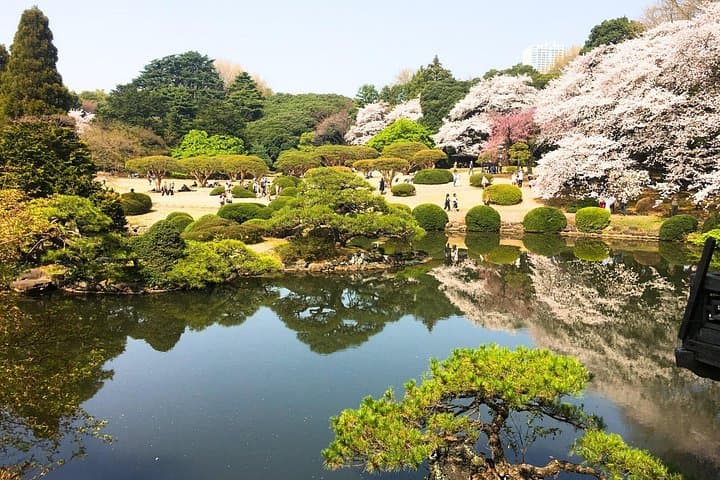
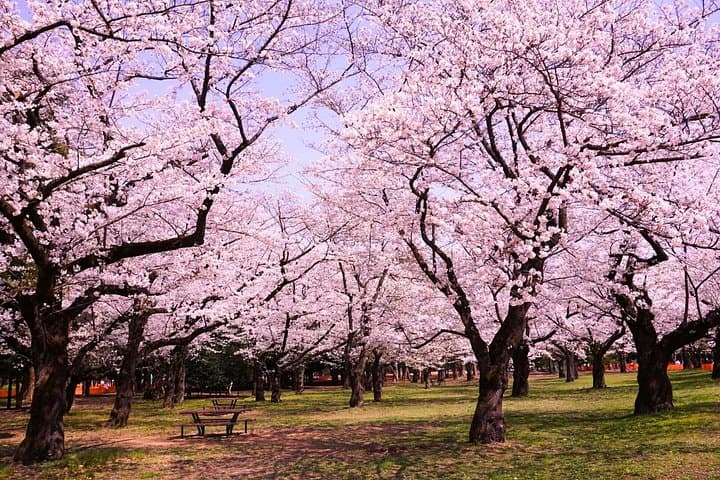
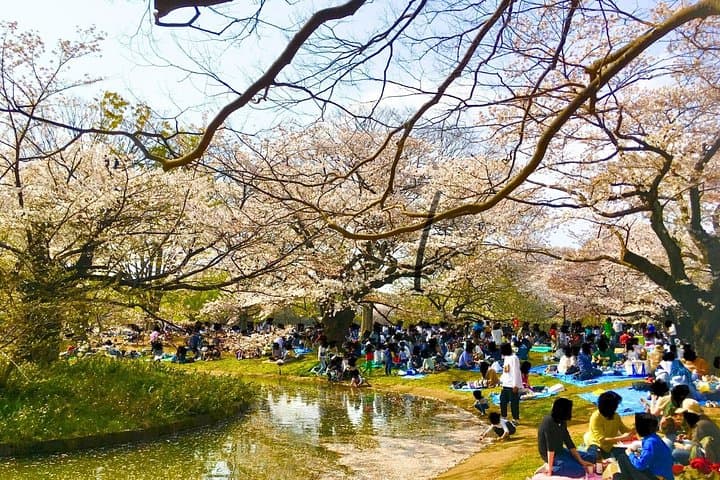
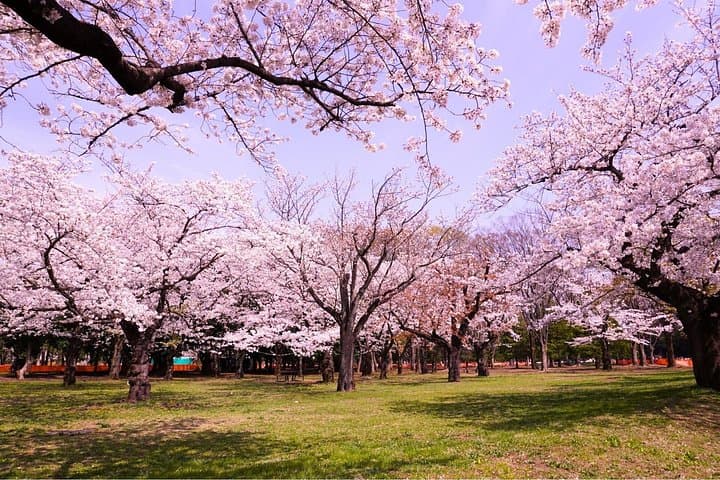
A low hum of conversation, the rustle of plastic mats, and a soft rain of pink petals set the scene as a local guide leads a small group under a cathedral of cherry trees. In either Yoyogi Park or Asukayama Park the guide collects pre-ordered sakura sweets—hanami dango, sakura mochi, yokan—and lays out a simple picnic where the trees seem to lean in and watch.
A low hum of conversation, the rustle of plastic mats, and a soft rain of pink petals set the scene as a local guide leads a small group under a cathedral of cherry trees. In either Yoyogi Park or Asukayama Park the guide collects pre-ordered sakura sweets—hanami dango, sakura mochi, yokan—and lays out a simple picnic where the trees seem to lean in and watch.
Hanami in Japan traces to courtly plum and cherry viewing of the Nara and Heian eras, evolving into a public spring ritual during the Edo and Meiji periods. Yoyogi’s wide lawns and shaded avenues were reshaped from military grounds and a postwar airfield into one of Tokyo’s largest green lungs, while Asukayama preserves older, stouter cherry specimens with a quieter, neighborhood feel.
Expect flat, mostly paved paths punctuated by grassy sheets where groups cluster. The experience is cultural as much as scenic: etiquette—no loud music, no open flames, and leave-no-trace packing—is part of the rhythm. Your guide explains seasonal sweets, points out favorite photo frames, and helps navigate crowded entry points.
Practically, plan for 2–3 hours of easy walking and sitting, bring layered clothing for spring chills, and carry water; public restrooms are available but can queue on peak days. Bloom timing varies by a few days each year—treat each viewing as its own moment rather than a guarantee. Whether you choose Yoyogi’s bustle or Asukayama’s neighborhood charm, the picnic is a compact, accessible way to join one of Japan’s most durable outdoor traditions.