THE ADVENTURE COLLECTIVE® · Independent discovery and booking for outdoor travel

Three hours of private walking in Tokyo that move from Shinjuku Gyoen’s lawns to Meiji Shrine’s forest, the electric fashion of Harajuku, and a quiet ukiyo-e museum visit. Intimate, low-impact, and paced for couples.
Three hours of private walking in Tokyo that move from Shinjuku Gyoen’s lawns to Meiji Shrine’s forest, the electric fashion of Harajuku, and a quiet ukiyo-e museum visit. Intimate, low-impact, and paced for couples.
You step from Shinjuku’s glass and neon into the calm expanse of Shinjuku Gyoen, where clipped lawns and old cherry trees slow the city’s pulse.
Verified experiences and guided adventures in the surrounding area.
Operated by Opatrip.com Japan · Tokyo, Tokyo
You step from Shinjuku’s glass and neon into the calm expanse of Shinjuku Gyoen, where clipped lawns and old cherry trees slow the city’s pulse.
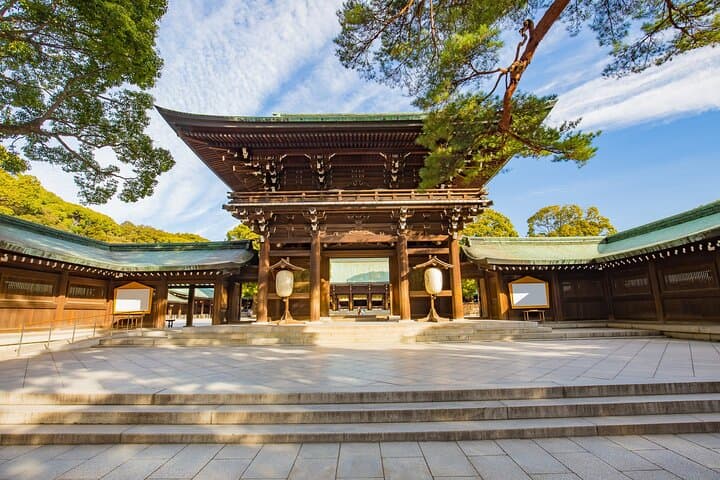
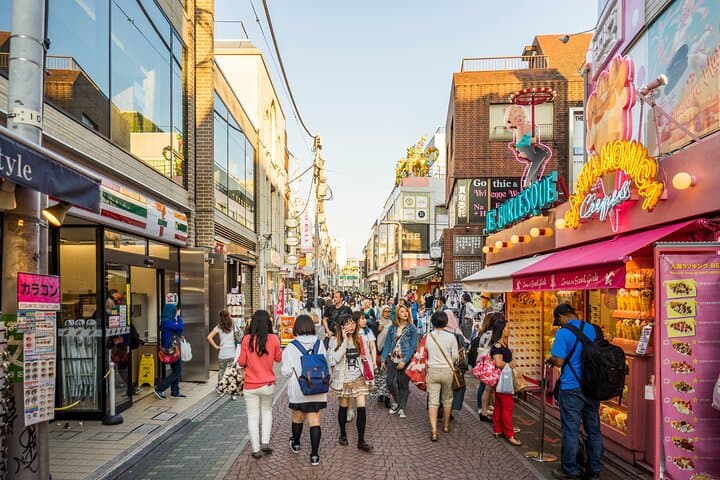
For three hours a guide shapes a gentle arc through Tokyo’s contrasts: manicured garden paths, the shrine’s shaded torii and ritual spaces, the charged energy of Harajuku’s Takeshita Street, and a quiet room of ukiyo-e at the Ōta Memorial Museum of Art.
Meiji Shrine honors Emperor Meiji and Empress Shōken; its forested approach was planted in the early 20th century as a deliberate urban refuge. Shinjuku Gyoen began as a feudal lord’s garden, later an imperial estate, and now blends Japanese, English, and French landscaping traditions. Ukiyo-e prints at the Ōta trace Edo-period life and evolving urban tastes—perfect bookends to a modern couple’s stroll.
The route is mostly paved and flat, moving from green to urban textures in short, scenic segments. Expect pockets of quiet at the shrine and sudden liveliness in Harajuku’s boutique-lined lanes. Cultural etiquette matters: bow at torii, remove hats indoors, and keep voices low near shrines.
Practically, plan for three hours with breaks for photos and a shared snack; bring small bills for shrine offerings and café stops. Morning or late afternoon keeps temperatures comfortable and light flattering for photos. This private walk suits couples who want an intimate, low-effort way to read Tokyo’s layers—natural, spiritual, and pop-cultural—without rushing.
easy.
3 hours.
Light walking ability; suitable for most fitness levels. Expect up to 2–3 miles of walking with short standing stops.
The route is mostly flat and on paved paths, but notify the operator about mobility needs—some shrine approaches may have steps or uneven stone.
This tour’s price typically covers guiding only; museum admission is usually paid onsite—check the booking details before arrival.
Yes—private format allows minor adjustments like longer time at a shrine or an extra café stop; inform the guide when booking.
Guides are usually local English-speaking guides for this listing—confirm language needs with the operator when booking.
Meiji Shrine was completed in 1920 to honor Emperor Meiji and Empress Shōken; Shinjuku Gyoen evolved from a feudal garden to an imperial estate and public park after WWII.
Meiji’s forest is a protected urban green space—stay on paths, avoid feeding wildlife, and follow shrine rules to minimize impact.
Opatrip.com Japan operates guided outdoor trips and adventures with an emphasis on safety, stewardship, and memorable experiences.


You step from Shinjuku’s glass and neon into the calm expanse of Shinjuku Gyoen, where clipped lawns and old cherry trees slow the city’s pulse.
You step from Shinjuku’s glass and neon into the calm expanse of Shinjuku Gyoen, where clipped lawns and old cherry trees slow the city’s pulse.
For three hours a guide shapes a gentle arc through Tokyo’s contrasts: manicured garden paths, the shrine’s shaded torii and ritual spaces, the charged energy of Harajuku’s Takeshita Street, and a quiet room of ukiyo-e at the Ōta Memorial Museum of Art.
Meiji Shrine honors Emperor Meiji and Empress Shōken; its forested approach was planted in the early 20th century as a deliberate urban refuge. Shinjuku Gyoen began as a feudal lord’s garden, later an imperial estate, and now blends Japanese, English, and French landscaping traditions. Ukiyo-e prints at the Ōta trace Edo-period life and evolving urban tastes—perfect bookends to a modern couple’s stroll.
The route is mostly paved and flat, moving from green to urban textures in short, scenic segments. Expect pockets of quiet at the shrine and sudden liveliness in Harajuku’s boutique-lined lanes. Cultural etiquette matters: bow at torii, remove hats indoors, and keep voices low near shrines.
Practically, plan for three hours with breaks for photos and a shared snack; bring small bills for shrine offerings and café stops. Morning or late afternoon keeps temperatures comfortable and light flattering for photos. This private walk suits couples who want an intimate, low-effort way to read Tokyo’s layers—natural, spiritual, and pop-cultural—without rushing.