THE ADVENTURE COLLECTIVE® · Independent discovery and booking for outdoor travel

Hunt rare cartridges and retro consoles in Akihabara with a private guide who knows where bargains surface. This four‑to‑five‑hour car tour visits major second‑hand stores and specialist shops while handling logistics and negotiation.
Hunt rare cartridges and retro consoles in Akihabara with a private guide who knows where bargains surface. This four‑to‑five‑hour car tour visits major second‑hand stores and specialist shops while handling logistics and negotiation.
The city’s neon exhales as your private car pulls away from central Tokyo, steering toward narrow alleys where shopfronts keep the past in glass and cardboard.
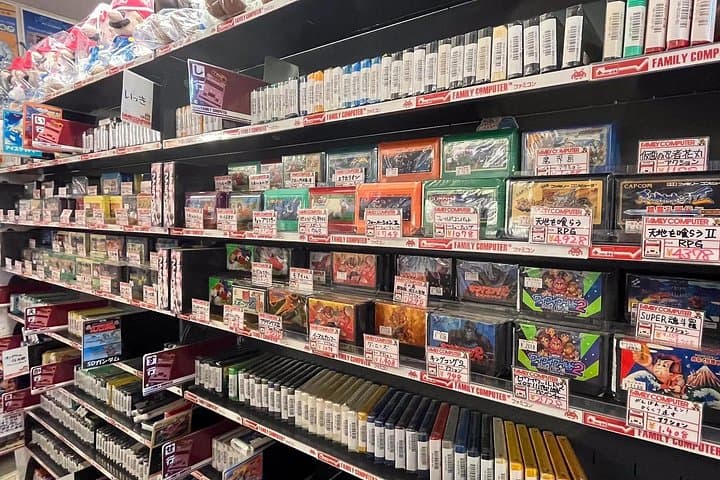
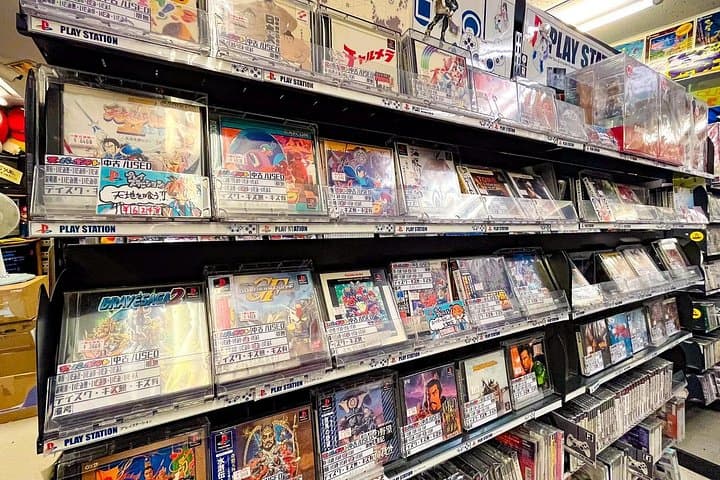
You move from large second‑hand emporia to small, cluttered stalls, guided by someone who reads pricing trends like a map—knowing where a boxed Famicom or rare cartridge might lurk at a bargain.
Verified experiences and guided adventures in the surrounding area.
Operated by OTAKU TOUR in AKIHABARA · Tokyo, Tokyo
The city’s neon exhales as your private car pulls away from central Tokyo, steering toward narrow alleys where shopfronts keep the past in glass and cardboard.
You move from large second‑hand emporia to small, cluttered stalls, guided by someone who reads pricing trends like a map—knowing where a boxed Famicom or rare cartridge might lurk at a bargain.
Akihabara’s rise from postwar electronics district to global otaku hub is visible in layered storefronts: soldered radio parts gave way to arcade cabinets, then to collectible markets. The geology here is urban—multi-story buildings stacked with commerce and culture—and its rhythm is defined by weekly market cycles and collector demand.
Cultural notes: Kanda Myojin shrine sits nearby and offers a quieter counterpoint; vendors and shrine visitors coexist, reminding shoppers to respect local customs when photographing or bargaining.
Practical guidance: the tour lasts about four to five hours by car, with stops at big second‑hand chains and specialist retro stores. Expect a mix of browsing and targeted hunting—bring exact wants and price ranges, because availability fluctuates rapidly. Cash is useful for smaller shops; major dealers take cards.
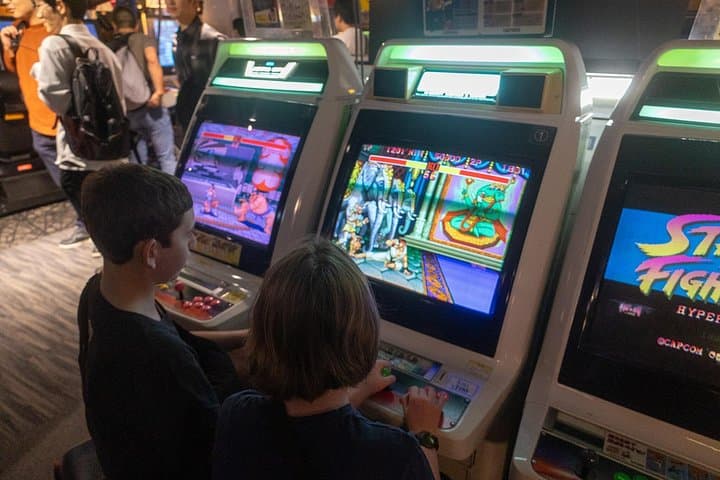
Timing matters: weekdays and early afternoons often mean fewer crowds; evenings light the neon but the best finds move fast. The guide handles navigation, translation, and negotiation strategy, leaving you free to inspect hardware, test cartridges, and decide on shipping or carry‑home options.
This is a shop‑forward, detail‑oriented tour for collectors and curious travelers who want to trade time for discovery rather than rely on online listings.
easy.
4–5 hours.
Minimal physical exertion; comfortable walking and standing for short periods recommended
No—guides can advise collectors at all levels, but bringing a list of desired titles helps focus the search.
Yes—stores vary, but many sell toys and figures; guides plan stops to accommodate families and children.
Yes—most major shops offer packing and international shipping services, but confirm costs and customs rules with the store.
Yes—the guide can advise and often handle bargaining, especially at smaller second‑hand shops.
Akihabara evolved after WWII from an electronics marketplace into a center for video game culture in the 1980s and 1990s; today it mixes large retailers with specialist vintage dealers.
Buying second‑hand electronics supports reuse and reduces e‑waste; be mindful of proper disposal and packaging when shipping items internationally.
OTAKU TOUR in AKIHABARA operates guided outdoor trips and adventures with an emphasis on safety, stewardship, and memorable experiences.
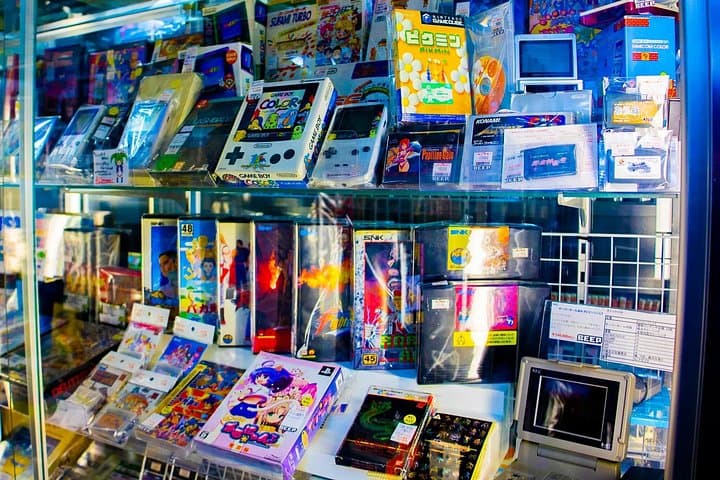
The city’s neon exhales as your private car pulls away from central Tokyo, steering toward narrow alleys where shopfronts keep the past in glass and cardboard.
You move from large second‑hand emporia to small, cluttered stalls, guided by someone who reads pricing trends like a map—knowing where a boxed Famicom or rare cartridge might lurk at a bargain.
The city’s neon exhales as your private car pulls away from central Tokyo, steering toward narrow alleys where shopfronts keep the past in glass and cardboard.
You move from large second‑hand emporia to small, cluttered stalls, guided by someone who reads pricing trends like a map—knowing where a boxed Famicom or rare cartridge might lurk at a bargain.
Akihabara’s rise from postwar electronics district to global otaku hub is visible in layered storefronts: soldered radio parts gave way to arcade cabinets, then to collectible markets. The geology here is urban—multi-story buildings stacked with commerce and culture—and its rhythm is defined by weekly market cycles and collector demand.
Cultural notes: Kanda Myojin shrine sits nearby and offers a quieter counterpoint; vendors and shrine visitors coexist, reminding shoppers to respect local customs when photographing or bargaining.
Practical guidance: the tour lasts about four to five hours by car, with stops at big second‑hand chains and specialist retro stores. Expect a mix of browsing and targeted hunting—bring exact wants and price ranges, because availability fluctuates rapidly. Cash is useful for smaller shops; major dealers take cards.
Timing matters: weekdays and early afternoons often mean fewer crowds; evenings light the neon but the best finds move fast. The guide handles navigation, translation, and negotiation strategy, leaving you free to inspect hardware, test cartridges, and decide on shipping or carry‑home options.
This is a shop‑forward, detail‑oriented tour for collectors and curious travelers who want to trade time for discovery rather than rely on online listings.