THE ADVENTURE COLLECTIVE® · Independent discovery and booking for outdoor travel

Combine an efficient, private walking tour of Tokyo’s highlights with a hands-on kintsugi workshop at Mutoh. Choose 2–3 stops for a tailored four-hour city walk, then spend two hours repairing pottery and learning a centuries-old craft.
Combine an efficient, private walking tour of Tokyo’s highlights with a hands-on kintsugi workshop at Mutoh. Choose 2–3 stops for a tailored four-hour city walk, then spend two hours repairing pottery and learning a centuries-old craft.
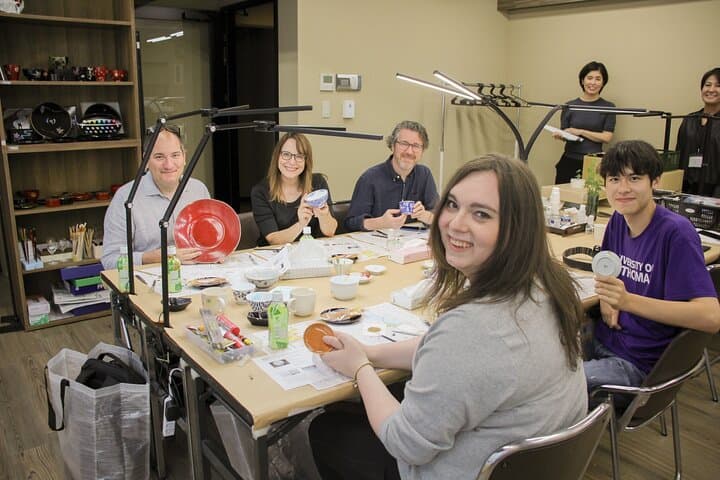
Step out from a hotel doorway into Tokyo’s layered cityscape — glass towers reflecting morning light, a steady river of commuters on the Yamanote Line, and the hush of a shrine path tucked behind busy streets. Over six hours a licensed English guide leads a four-hour walking loop through neighborhoods you choose, then drops you at Mutoh for a two-hour kintsugi workshop where broken pottery is mended with lacquer and gold.
Verified experiences and guided adventures in the surrounding area.
Operated by Japan Guide Agency · Tokyo, Tokyo
Step out from a hotel doorway into Tokyo’s layered cityscape — glass towers reflecting morning light, a steady river of commuters on the Yamanote Line, and the hush of a shrine path tucked behind busy streets. Over six hours a licensed English guide leads a four-hour walking loop through neighborhoods you choose, then drops you at Mutoh for a two-hour kintsugi workshop where broken pottery is mended with lacquer and gold.
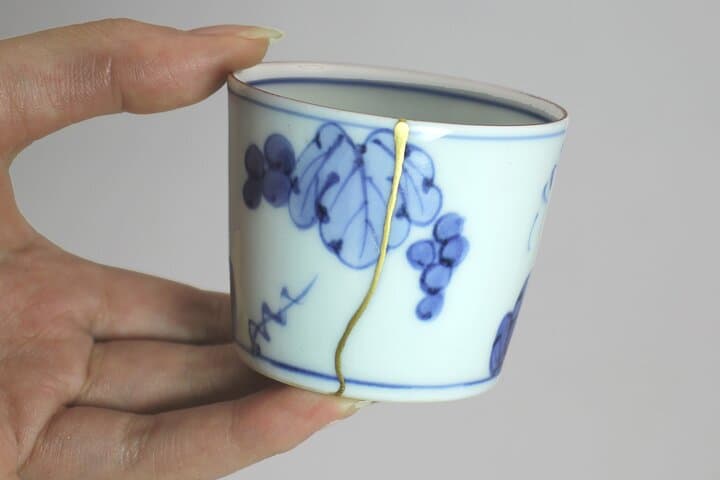
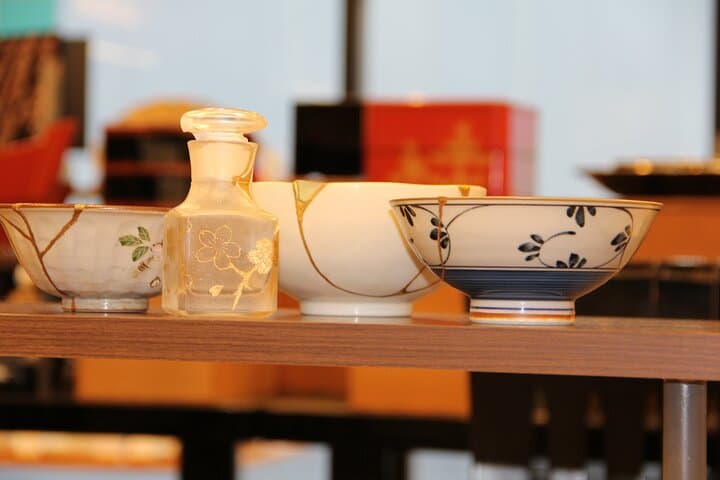
The walk threads through places that tell Tokyo’s story: the stone walls and moats of the Imperial Palace, a remnant of Edo Castle; the cedar-shaded approach to Meiji Shrine; neon-lined alleys of Akihabara and the old-world lanes of Yanaka. Geologically, Tokyo sits on low plains and reclaimed bayfill — Hama Rikyu’s tidal ponds recall the city’s relationship with Tokyo Bay. Kintsugi, born from a 15th–16th century aesthetic of repair and wabi-sabi, turns fracture into feature and anchors the day in material culture.
Expect steady urban walking on paved streets and compact garden paths, short public-transport hops, and hands-on craft time at a small studio. Bring ¥550 in cash for tools and materials, a transport card (Suica/Pasmo) for optional transfers, and comfortable footwear — you’ll cover several kilometers before the studio table. The itinerary is customizable: choose 2–3 sights from the guide’s list to fit pace and interest.
Practical: book morning starts to avoid peak crowds, confirm any accessibility needs with the operator, and allow time for detail work in the kintsugi session — it’s slow, deliberate, and satisfying.
moderate.
6 hours.
Suitable for people who can walk 3–6 miles (5–10 km) over varied urban terrain; light mobility needs supported if arranged in advance.
No — this private walking tour covers guiding only; admissions to museums or gardens are typically not included unless specified.
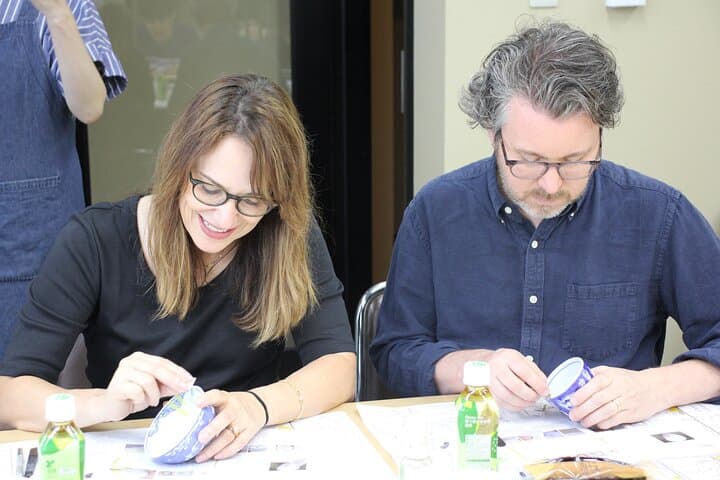
The workshop at Mutoh is about two hours and includes basic instruction; tools/materials cost approximately ¥550.
Yes — you choose 2–3 stops from the provided list and can work with your guide to tailor pace and content.
The operator lists stroller and wheelchair-accessible options; inform them at booking so logistics can be arranged.
The tour connects sites from Edo-era power (Edo Castle/Imperial Palace) to modern Tokyo; kintsugi grew from Japanese repair traditions that prize visible restoration.
Use public transit and reusable bottles to reduce waste; respect garden pathways and temple rules to protect fragile landscapes.
Japan Guide Agency operates guided outdoor trips and adventures with an emphasis on safety, stewardship, and memorable experiences.
Step out from a hotel doorway into Tokyo’s layered cityscape — glass towers reflecting morning light, a steady river of commuters on the Yamanote Line, and the hush of a shrine path tucked behind busy streets. Over six hours a licensed English guide leads a four-hour walking loop through neighborhoods you choose, then drops you at Mutoh for a two-hour kintsugi workshop where broken pottery is mended with lacquer and gold.
Step out from a hotel doorway into Tokyo’s layered cityscape — glass towers reflecting morning light, a steady river of commuters on the Yamanote Line, and the hush of a shrine path tucked behind busy streets. Over six hours a licensed English guide leads a four-hour walking loop through neighborhoods you choose, then drops you at Mutoh for a two-hour kintsugi workshop where broken pottery is mended with lacquer and gold.
The walk threads through places that tell Tokyo’s story: the stone walls and moats of the Imperial Palace, a remnant of Edo Castle; the cedar-shaded approach to Meiji Shrine; neon-lined alleys of Akihabara and the old-world lanes of Yanaka. Geologically, Tokyo sits on low plains and reclaimed bayfill — Hama Rikyu’s tidal ponds recall the city’s relationship with Tokyo Bay. Kintsugi, born from a 15th–16th century aesthetic of repair and wabi-sabi, turns fracture into feature and anchors the day in material culture.
Expect steady urban walking on paved streets and compact garden paths, short public-transport hops, and hands-on craft time at a small studio. Bring ¥550 in cash for tools and materials, a transport card (Suica/Pasmo) for optional transfers, and comfortable footwear — you’ll cover several kilometers before the studio table. The itinerary is customizable: choose 2–3 sights from the guide’s list to fit pace and interest.
Practical: book morning starts to avoid peak crowds, confirm any accessibility needs with the operator, and allow time for detail work in the kintsugi session — it’s slow, deliberate, and satisfying.