THE ADVENTURE COLLECTIVE® · Independent discovery and booking for outdoor travel

Combine a private guided walking tour of Tokyo’s historic districts with a hands-on Wagyu katsu sando class near Tokyo Skytree. Explore Asakusa, Meiji Shrine-adjacent neighborhoods, and then learn why Wagyu transforms a simple sandwich into something memorable.
Combine a private guided walking tour of Tokyo’s historic districts with a hands-on Wagyu katsu sando class near Tokyo Skytree. Explore Asakusa, Meiji Shrine-adjacent neighborhoods, and then learn why Wagyu transforms a simple sandwich into something memorable.
You step out into a Tokyo street where neon and narrow alleys meet temple gates; the air smells faintly of fried panko and city rain. A licensed English-speaking guide leads you from Asakusa’s paper lanterns through side streets where old wooden facades still hold the city’s quieter tempo, toward the glass-and-steel silhouette of Tokyo Skytree and EMC – Enjoy Meat Club.
Verified experiences and guided adventures in the surrounding area.
Operated by Japan Guide Agency · Tokyo, Tokyo
You step out into a Tokyo street where neon and narrow alleys meet temple gates; the air smells faintly of fried panko and city rain. A licensed English-speaking guide leads you from Asakusa’s paper lanterns through side streets where old wooden facades still hold the city’s quieter tempo, toward the glass-and-steel silhouette of Tokyo Skytree and EMC – Enjoy Meat Club.
This itinerary threads modern Tokyo with Edo-era traces: Sensoji’s approach lanes and the Imperial Palace moats recall the Tokugawa capital, while reclaimed land at nearby Tokyo Bay hints at the city’s expansion in the Meiji and Showa eras. Geologically the area sits on alluvial plains shaped by the Sumida River, so the city’s layout mixes raised stone walls with new urban infill.
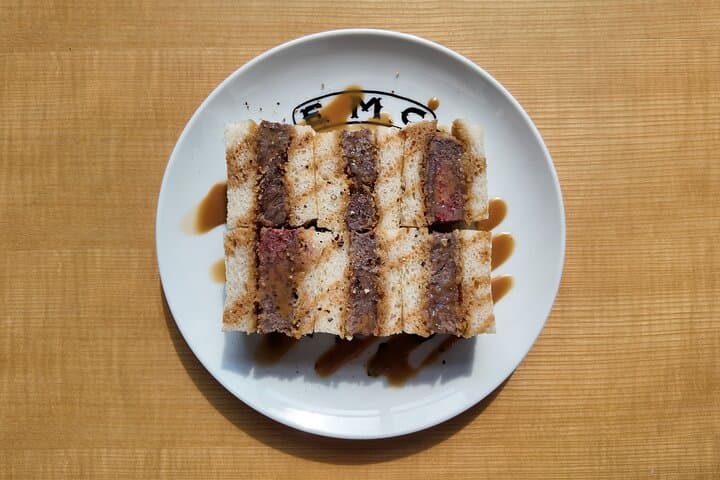
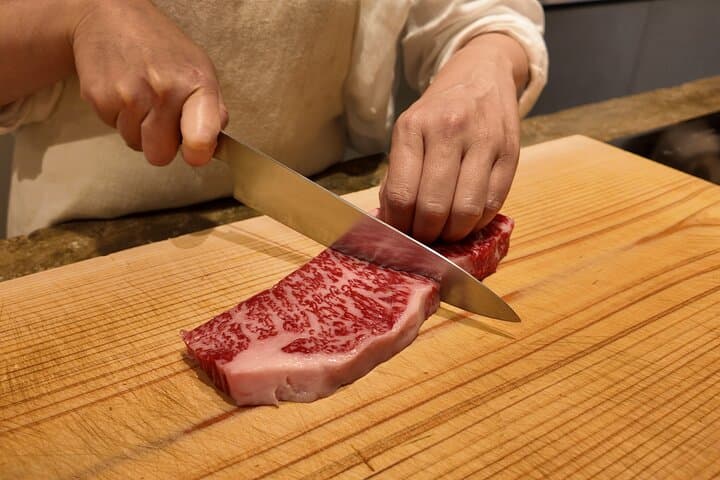
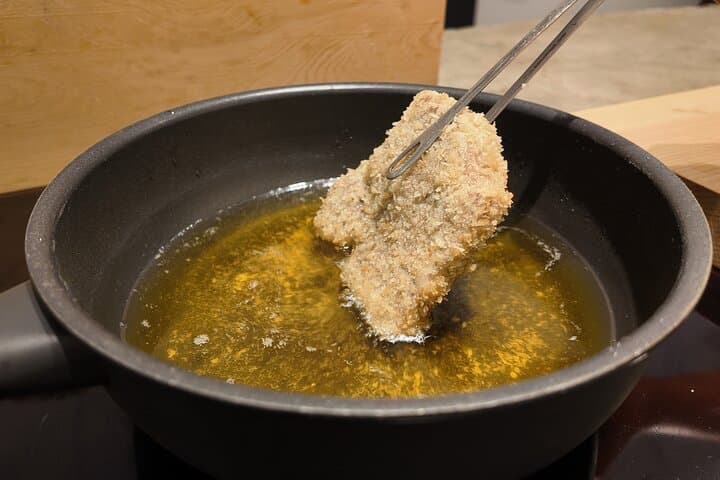
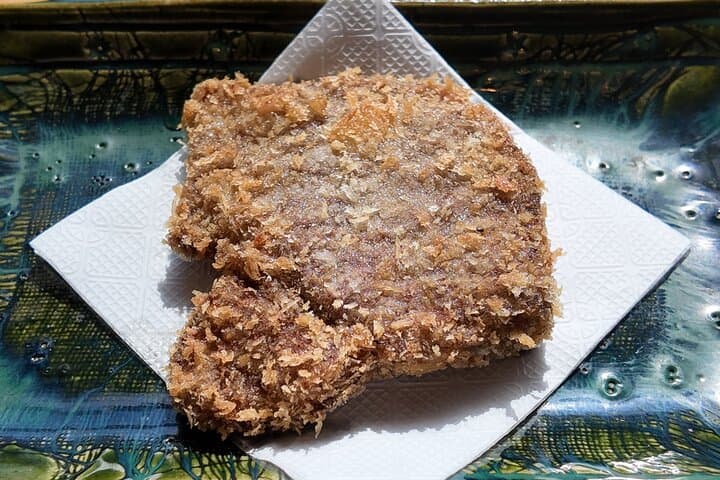
Culturally you’ll see contrasts — shrine purification rituals beside vending machines, shrine shopkeepers selling amulets as easily as tourists buy snacks. At EMC you’ll learn the technical difference between Wagyu and tonkatsu cuts, breading technique and how temperature and timing determine a crisp, juicy katsu sando.
Practical guidance: wear broken-in walking shoes, carry a compact umbrella, and bring cash for shrine offerings or small purchases. Inform your host of allergies or gluten-free needs before arrival. The class serves alcohol only to legal-age guests and may include other participants: expect hands-on demonstration, tasting, and a take-home sandwich. Plan two comfortable transit hops by subway; the tour covers about 4 hours of walking neighborhoods plus a one-hour cooking session. It's intimate, sensory, and efficient — a tidy cross-section of Tokyo in a single afternoon.
easy.
5 hours.
Suitable for most fitness levels; requires standing and walking for several hours with short pauses
Expect about 2–3 miles (3–5 km) of walking spread over city streets and temple grounds during the 4-hour tour portion.
The cooking class is instructor-led and may include other guests; it is not a private kitchen for just your group.
Participants must be 12 years or older; minors can attend but alcohol is only served to guests 20 and older per Japanese law.
Yes — inform the operator in advance about allergies or gluten-free needs so they can prepare alternatives.
The route links Shitamachi neighborhoods shaped by Edo-period commerce with Meiji-era modernization; sites like Sensoji and the Imperial Palace recall Tokyo’s transformation from Edo to modern capital.
Respect temple grounds by following rules for photos and waste; support small vendors and reduce single-use plastics while sampling street food.
Japan Guide Agency operates guided outdoor trips and adventures with an emphasis on safety, stewardship, and memorable experiences.
You step out into a Tokyo street where neon and narrow alleys meet temple gates; the air smells faintly of fried panko and city rain. A licensed English-speaking guide leads you from Asakusa’s paper lanterns through side streets where old wooden facades still hold the city’s quieter tempo, toward the glass-and-steel silhouette of Tokyo Skytree and EMC – Enjoy Meat Club.
You step out into a Tokyo street where neon and narrow alleys meet temple gates; the air smells faintly of fried panko and city rain. A licensed English-speaking guide leads you from Asakusa’s paper lanterns through side streets where old wooden facades still hold the city’s quieter tempo, toward the glass-and-steel silhouette of Tokyo Skytree and EMC – Enjoy Meat Club.
This itinerary threads modern Tokyo with Edo-era traces: Sensoji’s approach lanes and the Imperial Palace moats recall the Tokugawa capital, while reclaimed land at nearby Tokyo Bay hints at the city’s expansion in the Meiji and Showa eras. Geologically the area sits on alluvial plains shaped by the Sumida River, so the city’s layout mixes raised stone walls with new urban infill.
Culturally you’ll see contrasts — shrine purification rituals beside vending machines, shrine shopkeepers selling amulets as easily as tourists buy snacks. At EMC you’ll learn the technical difference between Wagyu and tonkatsu cuts, breading technique and how temperature and timing determine a crisp, juicy katsu sando.
Practical guidance: wear broken-in walking shoes, carry a compact umbrella, and bring cash for shrine offerings or small purchases. Inform your host of allergies or gluten-free needs before arrival. The class serves alcohol only to legal-age guests and may include other participants: expect hands-on demonstration, tasting, and a take-home sandwich. Plan two comfortable transit hops by subway; the tour covers about 4 hours of walking neighborhoods plus a one-hour cooking session. It's intimate, sensory, and efficient — a tidy cross-section of Tokyo in a single afternoon.