THE ADVENTURE COLLECTIVE® · Independent discovery and booking for outdoor travel

Combine a guided walking tour of Tokyo’s historic neighborhoods with a hands-on tea ceremony. This six-hour experience mixes city sights — Sensoji, palace moats, and garden teahouses — with an introduction to sado and Japanese hospitality.
Combine a guided walking tour of Tokyo’s historic neighborhoods with a hands-on tea ceremony. This six-hour experience mixes city sights — Sensoji, palace moats, and garden teahouses — with an introduction to sado and Japanese hospitality.
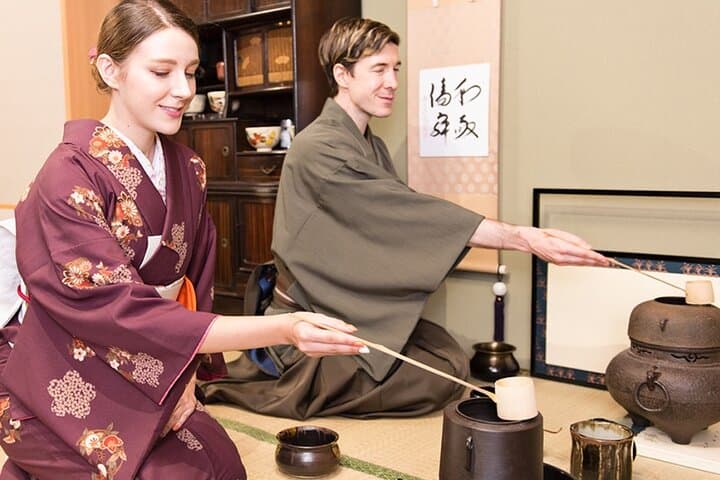
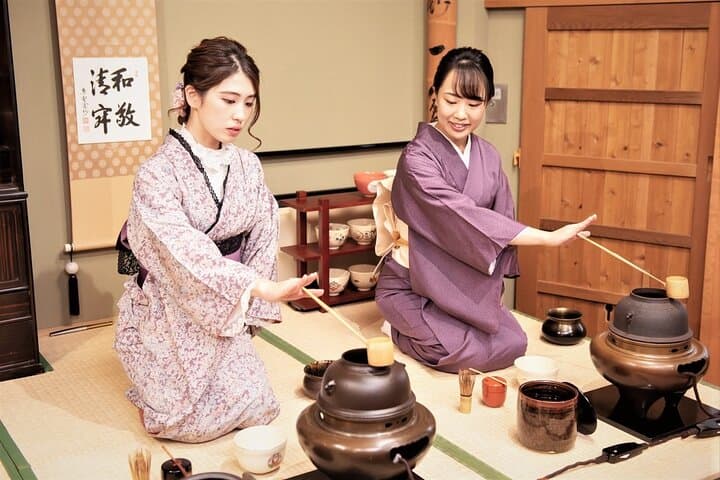
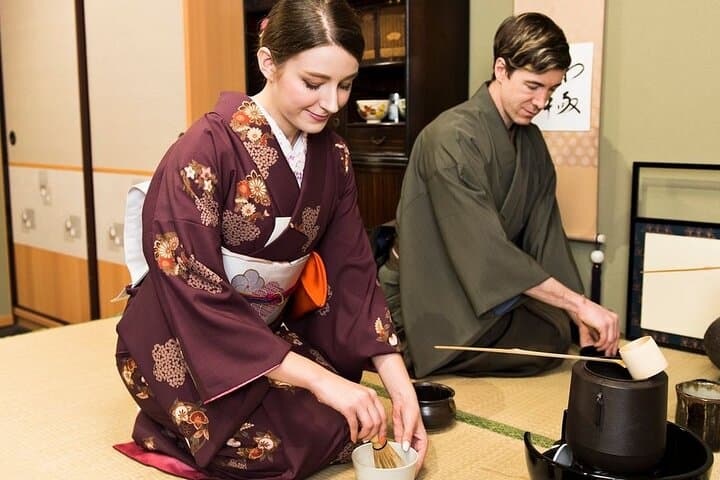
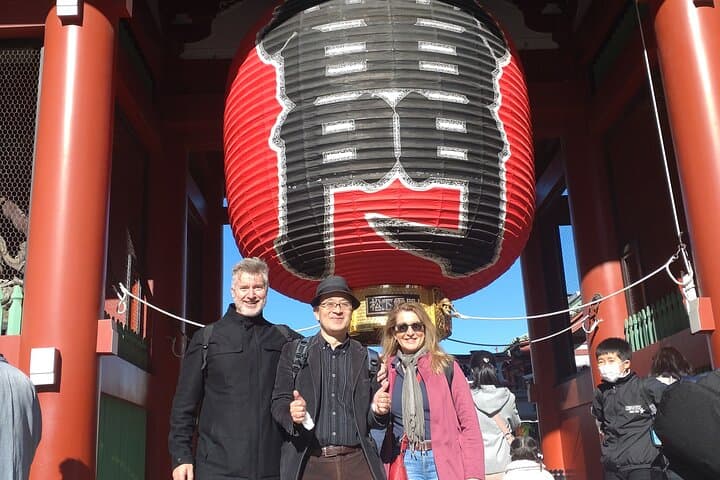
Morning light filters through the paper lanterns on Nakamise as a guide leads a small group down the tile-lined approach to Sensoji. The city hums around you — street vendors, commuters, and the occasional temple bell — then the group slips into the quieter, deliberate pace of a tea room where the host moves with practiced, spare motions.
Verified experiences and guided adventures in the surrounding area.
Operated by Japan Guide Agency · Tokyo, Tokyo
Morning light filters through the paper lanterns on Nakamise as a guide leads a small group down the tile-lined approach to Sensoji. The city hums around you — street vendors, commuters, and the occasional temple bell — then the group slips into the quieter, deliberate pace of a tea room where the host moves with practiced, spare motions.
This six-hour experience pairs a focused walking tour of Tokyo’s historical neighborhoods with an introduction to sado, the Japanese tea ceremony. Expect visits to Shitamachi districts like Asakusa and the Sensoji approach, views of the Imperial Palace moats and stonework, and the ordered gardens of Hama Rikyu or Rikugien depending on your route. The tea ceremony itself interprets wabi-sabi: restraint, seasonal attention, and a respect for ritual. Tokyo sits on an alluvial plain and much of the city’s layout reflects Edo-period planning; remnants like Meiji Shrine’s forested paths contrast with neon districts such as Shibuya and Akihabara.
Practically, this is flat, urban walking — plan for roughly 3–5 miles of walking across paved streets and garden paths, modest elevation change, and multiple short stops. The program is accessible and suitable for most fitness levels, though the tea room often requires sitting on tatami; children under 12 are typically restricted from the ceremony. Bring modest clothing, comfortable shoes, a small cushion if you prefer, and cash for market snacks. Aim for morning starts to avoid heat and peak crowds; the guide will customize two to three sightseeing stops to match your interests.
easy.
6 hours.
Suitable for most people who can walk several miles at a relaxed pace; minimal elevation change but some standing and kneeling may be required.
The full experience runs about six hours, including a walking tour with two to three stops and approximately 30–60 minutes for the tea ceremony.
Children may join the walking tour, but the tea ceremony is intended for guests aged 12 and over.
The tour is listed as wheelchair accessible; contact the operator in advance to confirm access to specific tea rooms and garden paths.
Modest, comfortable clothing is best; you will remove shoes for the tatami room and may be expected to sit on the floor.
Sensoji dates to the 7th century and the Imperial Palace grounds sit on the site of Edo Castle, central to Tokyo’s transformation during the Tokugawa and Meiji eras.
Respect garden rules, avoid stepping on moss or plantings, and carry out any trash; small cultural sites rely on visitor restraint to remain intact.
Japan Guide Agency operates guided outdoor trips and adventures with an emphasis on safety, stewardship, and memorable experiences.
Morning light filters through the paper lanterns on Nakamise as a guide leads a small group down the tile-lined approach to Sensoji. The city hums around you — street vendors, commuters, and the occasional temple bell — then the group slips into the quieter, deliberate pace of a tea room where the host moves with practiced, spare motions.
Morning light filters through the paper lanterns on Nakamise as a guide leads a small group down the tile-lined approach to Sensoji. The city hums around you — street vendors, commuters, and the occasional temple bell — then the group slips into the quieter, deliberate pace of a tea room where the host moves with practiced, spare motions.
This six-hour experience pairs a focused walking tour of Tokyo’s historical neighborhoods with an introduction to sado, the Japanese tea ceremony. Expect visits to Shitamachi districts like Asakusa and the Sensoji approach, views of the Imperial Palace moats and stonework, and the ordered gardens of Hama Rikyu or Rikugien depending on your route. The tea ceremony itself interprets wabi-sabi: restraint, seasonal attention, and a respect for ritual. Tokyo sits on an alluvial plain and much of the city’s layout reflects Edo-period planning; remnants like Meiji Shrine’s forested paths contrast with neon districts such as Shibuya and Akihabara.
Practically, this is flat, urban walking — plan for roughly 3–5 miles of walking across paved streets and garden paths, modest elevation change, and multiple short stops. The program is accessible and suitable for most fitness levels, though the tea room often requires sitting on tatami; children under 12 are typically restricted from the ceremony. Bring modest clothing, comfortable shoes, a small cushion if you prefer, and cash for market snacks. Aim for morning starts to avoid heat and peak crowds; the guide will customize two to three sightseeing stops to match your interests.