THE ADVENTURE COLLECTIVE® · Independent discovery and booking for outdoor travel

Spend a day with a knowledgeable local exploring Tokyo’s essential sights and off-the-beaten-path corners. This private walking tour blends cultural context, market flavors, and neighborhood stories into a fully customizable city adventure.
Spend a day with a knowledgeable local exploring Tokyo’s essential sights and off-the-beaten-path corners. This private walking tour blends cultural context, market flavors, and neighborhood stories into a fully customizable city adventure.
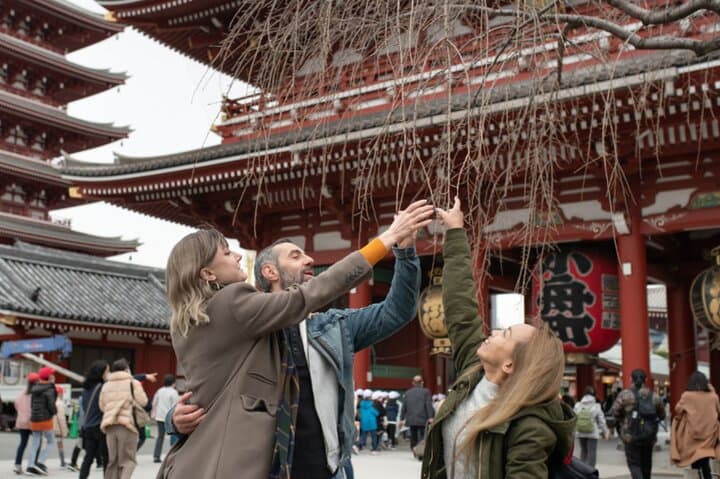
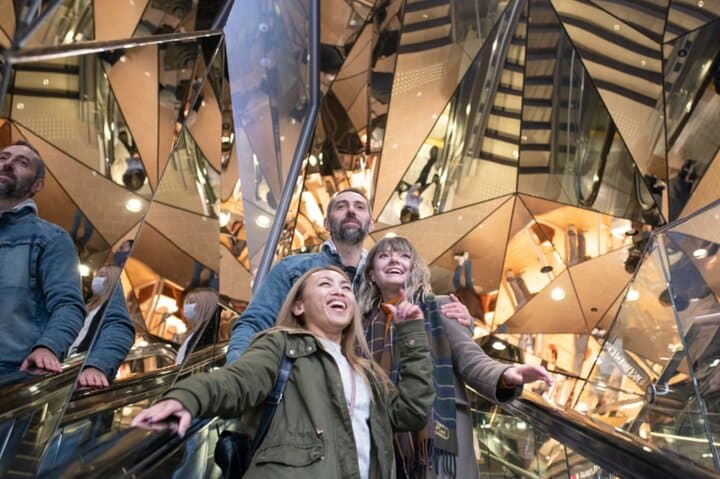
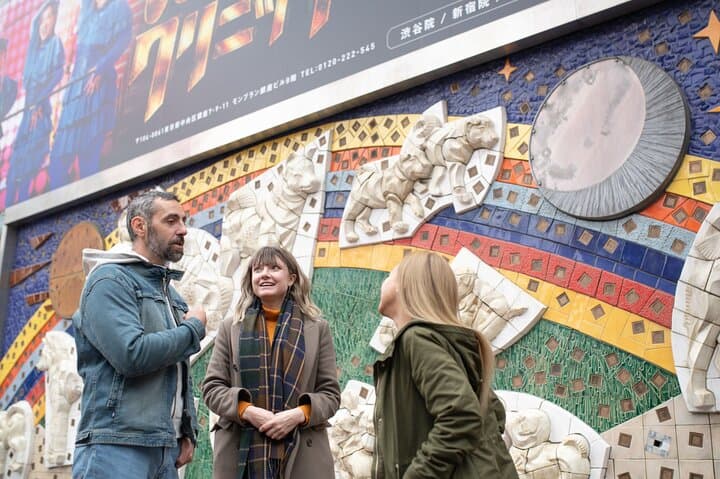
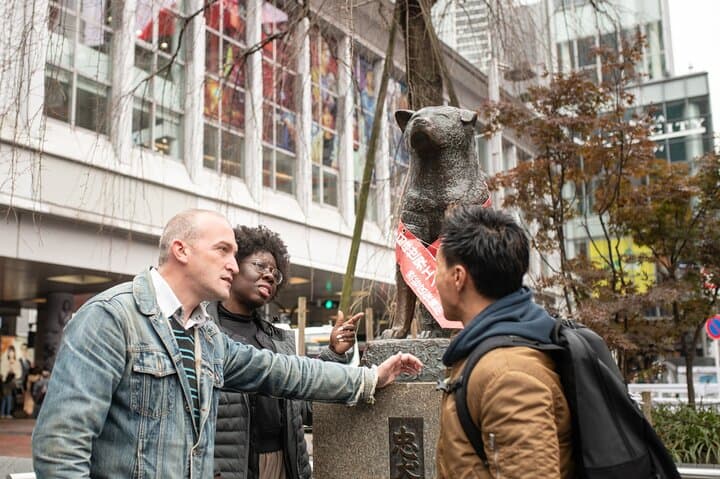
Morning unfolds under a lattice of train lines and neon as a local guide meets you at a quiet station entrance—Tokyo already humming. The day moves on foot: lantern-lit approaches at Asakusa, the chaotic register of market stalls, the hush of manicured imperial gardens, and narrow alleyways where izakayas pore steam into the air. Streets show both Edo’s imprint and Tokyo’s rapid reinvention.
Verified experiences and guided adventures in the surrounding area.
Operated by City Unscripted · Tokyo, Tokyo
Morning unfolds under a lattice of train lines and neon as a local guide meets you at a quiet station entrance—Tokyo already humming. The day moves on foot: lantern-lit approaches at Asakusa, the chaotic register of market stalls, the hush of manicured imperial gardens, and narrow alleyways where izakayas pore steam into the air. Streets show both Edo’s imprint and Tokyo’s rapid reinvention.
Tokyo’s modern skyline sits on layers of reclaimed land and centuries of urban growth; neighborhoods like Asakusa preserve Edo-period temples while Akihabara charts postwar electronics culture. The city’s geography—low-lying plains framed by distant volcanic peaks—shaped trade routes and the compact neighborhoods travelers now explore at a pedestrian pace. Your host threads history, food lore, and etiquette into each stop: how shrine rituals persist alongside vending machines, where merchants once shaped the city’s rhythms, and why certain alleys hold seasonal festivals.
Practical guidance is straightforward. This is a walking-first experience with optional short public-transit hops; wear broken-in shoes and carry an IC card (Suica/Pasmo) for transfers. Expect 6–8 hours of on-foot exploration with pauses for markets, temples, and quick meals—bring small bills for street food and shrine offerings. Start early to avoid midday crowds at major sites and build flexibility into your day to linger where the city’s quieter details—shopfronts, murals, coffee stalls—call for it.
easy.
8 hours.
Suitable for travelers in normal health who can walk and stand for multiple hours with short breaks
Many central streets and major sites have step-free access, but some backstreets and temple approaches include steps—confirm accessibility needs when booking so your host can plan an appropriate route.
Public transport or taxi fares are not included; your host will advise expected costs and may suggest an IC card for convenience.
Yes—after booking you complete a short questionnaire and your matched local host will tailor the day to your interests, from food-focused routes to historical walks.
Guides are matched based on your booking preferences; confirm language needs during booking and in the pre-tour communication with your host.
Tokyo evolved from the Edo period river and canal system into a modern megacity; many neighborhoods still reflect guilds, markets, and temple-centered community life from centuries past.
Respect temple grounds and market cleanliness, use public transport to reduce footprint, and avoid single-use plastics where possible to support sustainable tourism.
City Unscripted operates guided outdoor trips and adventures with an emphasis on safety, stewardship, and memorable experiences.
Morning unfolds under a lattice of train lines and neon as a local guide meets you at a quiet station entrance—Tokyo already humming. The day moves on foot: lantern-lit approaches at Asakusa, the chaotic register of market stalls, the hush of manicured imperial gardens, and narrow alleyways where izakayas pore steam into the air. Streets show both Edo’s imprint and Tokyo’s rapid reinvention.
Morning unfolds under a lattice of train lines and neon as a local guide meets you at a quiet station entrance—Tokyo already humming. The day moves on foot: lantern-lit approaches at Asakusa, the chaotic register of market stalls, the hush of manicured imperial gardens, and narrow alleyways where izakayas pore steam into the air. Streets show both Edo’s imprint and Tokyo’s rapid reinvention.
Tokyo’s modern skyline sits on layers of reclaimed land and centuries of urban growth; neighborhoods like Asakusa preserve Edo-period temples while Akihabara charts postwar electronics culture. The city’s geography—low-lying plains framed by distant volcanic peaks—shaped trade routes and the compact neighborhoods travelers now explore at a pedestrian pace. Your host threads history, food lore, and etiquette into each stop: how shrine rituals persist alongside vending machines, where merchants once shaped the city’s rhythms, and why certain alleys hold seasonal festivals.
Practical guidance is straightforward. This is a walking-first experience with optional short public-transit hops; wear broken-in shoes and carry an IC card (Suica/Pasmo) for transfers. Expect 6–8 hours of on-foot exploration with pauses for markets, temples, and quick meals—bring small bills for street food and shrine offerings. Start early to avoid midday crowds at major sites and build flexibility into your day to linger where the city’s quieter details—shopfronts, murals, coffee stalls—call for it.