THE ADVENTURE COLLECTIVE® · Independent discovery and booking for outdoor travel

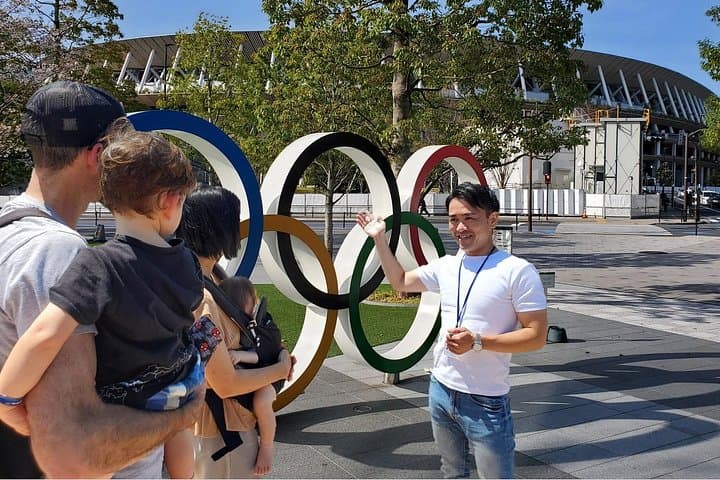
A licensed guide tailors a 6–8 hour private walking tour across Tokyo’s busiest neighborhoods—Tsukiji outer market, Imperial Palace, Asakusa, Ginza, Shibuya, Harajuku and more. Expect a flexible, personalized day that mixes history, contemporary culture, and practical local tips.
A licensed guide tailors a 6–8 hour private walking tour across Tokyo’s busiest neighborhoods—Tsukiji outer market, Imperial Palace, Asakusa, Ginza, Shibuya, Harajuku and more. Expect a flexible, personalized day that mixes history, contemporary culture, and practical local tips.
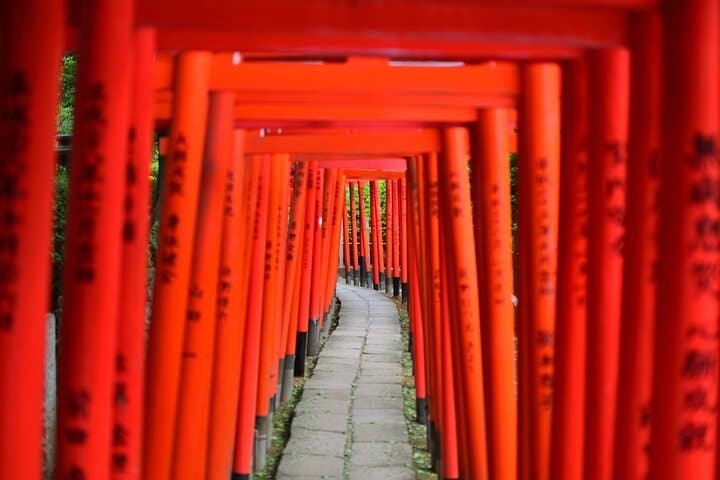
You step off the subway and the city immediately rearranges itself: neon and glass pushing one way, a cedar-lined shrine path pulling the other. A licensed local guide meets you, maps pulled up, and the day reshapes around your interests—food, architecture, pop culture, or history.
Verified experiences and guided adventures in the surrounding area.
Operated by アウテック · Tokyo, Tokyo
You step off the subway and the city immediately rearranges itself: neon and glass pushing one way, a cedar-lined shrine path pulling the other. A licensed local guide meets you, maps pulled up, and the day reshapes around your interests—food, architecture, pop culture, or history.
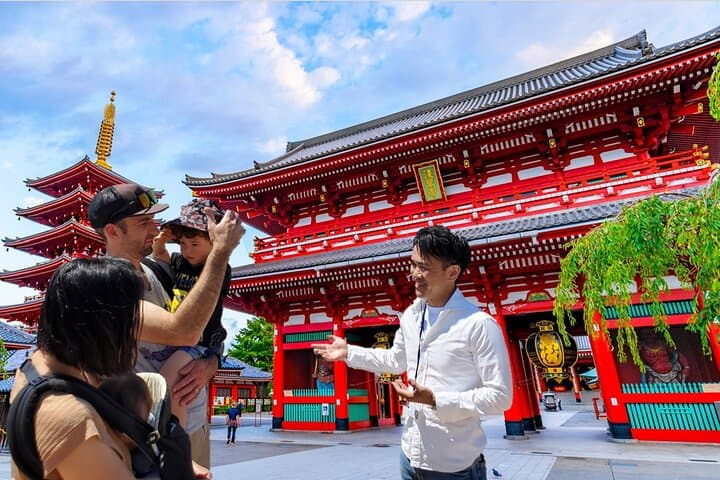
This private walking tour threads Tokyo’s contrasts. Begin at the Tsukiji outer market where seafood stalls still hum and street snacks demand a stop; cross toward the manicured views around the Imperial Palace and feel Tokyo’s feudal past in its stone walls. In Asakusa the wooden gates of Senso-ji point to a layered history stretching back to the 7th century, while Omotesando and Ginza showcase 20th- and 21st-century design ambitions. Akihabara pulses with gaming culture; Harajuku and Shibuya expose youth fashion and the famous scramble crossing.
Practical insights: tours run 6–8 hours and are fully customizable—guides message after booking to set priorities and can adapt plans even on the day. The company operates year-round in English and French and includes bottled water; many routes are stroller- and wheelchair-accessible though some older streets and shrine approaches have steps.
Plan around timing: start early to beat crowds at markets and shrines, or opt for late afternoon light in Ginza and Shibuya. Wear comfortable footwear, carry a transport card for short subway hops between districts, and set expectations—this is a paced, intimate exploration rather than a rushed checklist. With a responsive guide, Tokyo opens as a city that invites both curiosity and steady exploration.
easy.
6–8 hours.
Suitable for most fitness levels; expect several miles of walking at a comfortable urban pace with short public-transport hops.
Tours are typically 6–8 hours (half- or full-day options) and are fully customizable—your guide will contact you after booking to set priorities.
Many routes are accessible and the operator notes wheelchair and stroller accessibility, but some shrine approaches and older streets have steps; inform the guide about mobility needs when booking.
Guides offer service in English and French; specify language preference at booking so the right guide is assigned.
For a full refund cancel at least 24 hours before the scheduled departure time; cancellations within 24 hours are not refundable.
The Imperial Palace grounds were once Edo Castle, seat of the Tokugawa shogunate (1603–1868); modern Tokyo grew rapidly from the Meiji Restoration onward.
Visitors are encouraged to use reusable bottles where possible; busy markets and temple precincts are actively managed to reduce litter and protect historic structures.
アウテック operates guided outdoor trips and adventures with an emphasis on safety, stewardship, and memorable experiences.
You step off the subway and the city immediately rearranges itself: neon and glass pushing one way, a cedar-lined shrine path pulling the other. A licensed local guide meets you, maps pulled up, and the day reshapes around your interests—food, architecture, pop culture, or history.
You step off the subway and the city immediately rearranges itself: neon and glass pushing one way, a cedar-lined shrine path pulling the other. A licensed local guide meets you, maps pulled up, and the day reshapes around your interests—food, architecture, pop culture, or history.
This private walking tour threads Tokyo’s contrasts. Begin at the Tsukiji outer market where seafood stalls still hum and street snacks demand a stop; cross toward the manicured views around the Imperial Palace and feel Tokyo’s feudal past in its stone walls. In Asakusa the wooden gates of Senso-ji point to a layered history stretching back to the 7th century, while Omotesando and Ginza showcase 20th- and 21st-century design ambitions. Akihabara pulses with gaming culture; Harajuku and Shibuya expose youth fashion and the famous scramble crossing.
Practical insights: tours run 6–8 hours and are fully customizable—guides message after booking to set priorities and can adapt plans even on the day. The company operates year-round in English and French and includes bottled water; many routes are stroller- and wheelchair-accessible though some older streets and shrine approaches have steps.
Plan around timing: start early to beat crowds at markets and shrines, or opt for late afternoon light in Ginza and Shibuya. Wear comfortable footwear, carry a transport card for short subway hops between districts, and set expectations—this is a paced, intimate exploration rather than a rushed checklist. With a responsive guide, Tokyo opens as a city that invites both curiosity and steady exploration.