THE ADVENTURE COLLECTIVE® · Independent discovery and booking for outdoor travel

A private, fully customizable walking tour that pairs you with Tokyo-born guides who design itineraries around your interests—from the Imperial Palace gardens to backstreet markets. Choose 1–8 hours and move through the city with local knowledge rather than a fixed route.
A private, fully customizable walking tour that pairs you with Tokyo-born guides who design itineraries around your interests—from the Imperial Palace gardens to backstreet markets. Choose 1–8 hours and move through the city with local knowledge rather than a fixed route.
You step off the subway into a city that rearranges itself every block—neon storefronts give way to mossy stone lanterns and suddenly a cedar-lined path appears, quiet as breath. A local guide sets the pace, nudging you toward a hidden side street, pointing out a century-old shopfront or the pattern of tiles that marks an Edo-era boundary. The rhythm is walking: deliberate, observant, and adaptable to what interests you.
Verified experiences and guided adventures in the surrounding area.
Operated by Exploring Tokyo · Tokyo, Tokyo
You step off the subway into a city that rearranges itself every block—neon storefronts give way to mossy stone lanterns and suddenly a cedar-lined path appears, quiet as breath. A local guide sets the pace, nudging you toward a hidden side street, pointing out a century-old shopfront or the pattern of tiles that marks an Edo-era boundary. The rhythm is walking: deliberate, observant, and adaptable to what interests you.
Tokyo’s urban fabric is layered—Edo’s stone walls shape the Imperial Palace moat, Meiji-era wooden shrines stand beside modernist towers, and market lanes like Tsukiji preserve foodways that fed the city for generations. Geologically, the plain is young and flat, shaped by river deposits from the Arakawa and Sumida; culturally, neighborhoods formed around guilds, temples, and transport hubs, each with its own character from Shibuya’s youth pulse to Asakusa’s older streets.
Expect a mix of paved avenues, park slopes, and crowded pedestrian crossings. Routes typically use trains and short walks; tours range from one hour to a full day. Guides born and raised in Tokyo offer practical tips—where to buy a good onigiri, how to read a train map, and which garden blooms when.
Practical guidance: wear supportive shoes for 2–8 hours of varied walking, carry a Suica/Pasmo or small bills for market stalls, and plan timing to avoid rush hour if you want calmer crossings. If rain is forecast, a compact umbrella keeps the day moving. With a private guide you trade fixed itineraries for an efficient, curiosity-driven exploration of a city that rewards slow feet and sharp eyes.
easy.
1–8 hours.
Suitable for most fitness levels; expect several miles/kilometers of walking with occasional slopes in parks
Yes—this is a private tour and guides typically adjust the route based on your interests and current conditions, though pre-planning helps optimize time.
No—public transport is used as needed and fares are paid by the traveler; bring an IC card or small change.
Yes—physical demand is low, but choose shorter durations and communicate mobility needs when booking so the guide can adapt the route.
Guides are local and generally fluent in English; specify language needs when booking to confirm availability.
Tokyo developed from Edo, a castle town that expanded into the political and commercial heart of Japan; the Imperial Palace sits on former Edo Castle grounds.
Manage foot traffic in popular parks and markets by visiting off-peak hours; support small vendors and avoid single-use plastics where possible.
Exploring Tokyo operates guided outdoor trips and adventures with an emphasis on safety, stewardship, and memorable experiences.
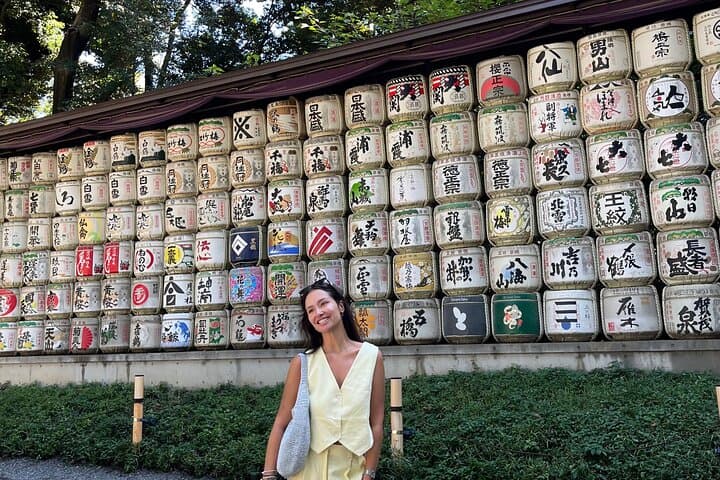
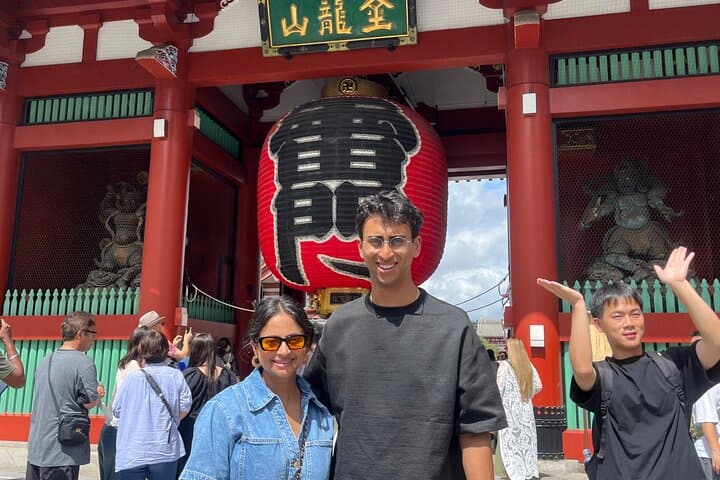
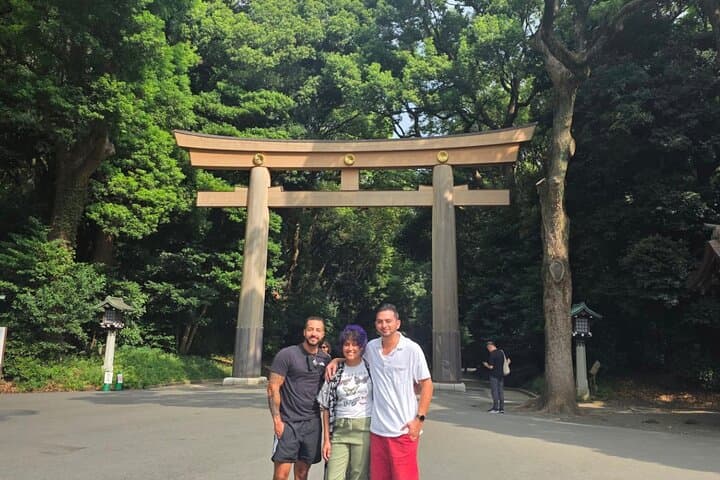
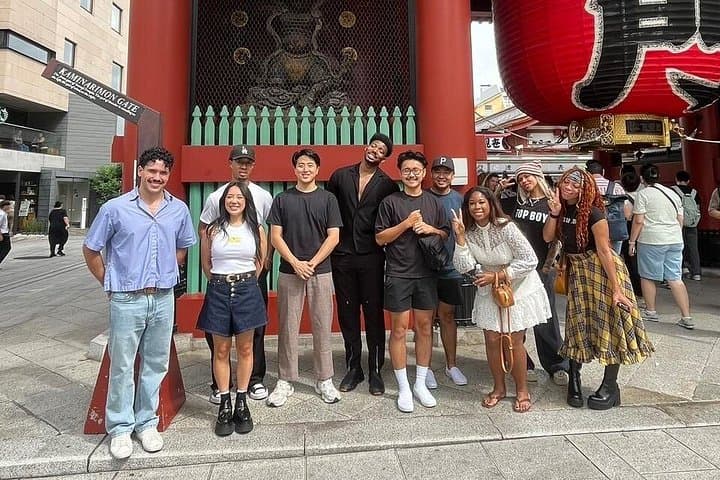
You step off the subway into a city that rearranges itself every block—neon storefronts give way to mossy stone lanterns and suddenly a cedar-lined path appears, quiet as breath. A local guide sets the pace, nudging you toward a hidden side street, pointing out a century-old shopfront or the pattern of tiles that marks an Edo-era boundary. The rhythm is walking: deliberate, observant, and adaptable to what interests you.
You step off the subway into a city that rearranges itself every block—neon storefronts give way to mossy stone lanterns and suddenly a cedar-lined path appears, quiet as breath. A local guide sets the pace, nudging you toward a hidden side street, pointing out a century-old shopfront or the pattern of tiles that marks an Edo-era boundary. The rhythm is walking: deliberate, observant, and adaptable to what interests you.
Tokyo’s urban fabric is layered—Edo’s stone walls shape the Imperial Palace moat, Meiji-era wooden shrines stand beside modernist towers, and market lanes like Tsukiji preserve foodways that fed the city for generations. Geologically, the plain is young and flat, shaped by river deposits from the Arakawa and Sumida; culturally, neighborhoods formed around guilds, temples, and transport hubs, each with its own character from Shibuya’s youth pulse to Asakusa’s older streets.
Expect a mix of paved avenues, park slopes, and crowded pedestrian crossings. Routes typically use trains and short walks; tours range from one hour to a full day. Guides born and raised in Tokyo offer practical tips—where to buy a good onigiri, how to read a train map, and which garden blooms when.
Practical guidance: wear supportive shoes for 2–8 hours of varied walking, carry a Suica/Pasmo or small bills for market stalls, and plan timing to avoid rush hour if you want calmer crossings. If rain is forecast, a compact umbrella keeps the day moving. With a private guide you trade fixed itineraries for an efficient, curiosity-driven exploration of a city that rewards slow feet and sharp eyes.