THE ADVENTURE COLLECTIVE® · Independent discovery and booking for outdoor travel

Dress in a traditional kimono, have your hair set, then explore Asakusa and two other Tokyo sights with a private guide. This six-hour, customizable tour blends cultural context with hands-on costume and relaxed walking routes.
Dress in a traditional kimono, have your hair set, then explore Asakusa and two other Tokyo sights with a private guide. This six-hour, customizable tour blends cultural context with hands-on costume and relaxed walking routes.
You step from a small dressing room into a corridor of lived-in wood and paper, the crisp fold of an obi cinched at your waist and geta waiting beneath your feet. Outside, Asakusa’s lantern-lit pagoda and the chatter of Nakamise Street frame the kimono like a living postcard. For six hours you move through Tokyo at a slower pace—temple gates, garden ponds, and narrow backstreets where the city’s older rhythms still hold.
Verified experiences and guided adventures in the surrounding area.
Operated by Japan Guide Agency · Tokyo, Tokyo
You step from a small dressing room into a corridor of lived-in wood and paper, the crisp fold of an obi cinched at your waist and geta waiting beneath your feet. Outside, Asakusa’s lantern-lit pagoda and the chatter of Nakamise Street frame the kimono like a living postcard. For six hours you move through Tokyo at a slower pace—temple gates, garden ponds, and narrow backstreets where the city’s older rhythms still hold.
The kimono connects you to centuries of dress codes and rituals: the measured ties, the layered undergarments, and the etiquette of movement that evolved through Edo-period streets. Sensoji Temple, built near the Sumida in the 7th century and rebuilt after wartime damage, anchors the route, while nearby Meiji Shrine and Shinjuku Gyoen offer contrasting gardens—Shinto forest and manicured strolling grounds from the Edo elite.
Culturally, expect polite, structured interactions: bowing, modest photo practices at shrines, and small businesses used to guiding visitors in kimono etiquette. Geologically the city sits on alluvial plains of the Kanto region, so the terrain is flat and walkable—ideal for a dressed-up stroll.
Practical notes: allow roughly an hour for dressing and hair-styling, plan two to three stops chosen with your guide, and return the kimono by 5pm. Wear easy-to-remove footwear and modest underlayers; carry a small daypack and a camera — cell phones and cash are useful for shrine offerings and street snacks. If you’re tall (men over 190cm) expect an extra fitting fee paid at the shop.
easy.
6 hours.
Suitable for most fitness levels; requires light walking on flat urban streets for several hours.
Plan about one hour for dressing and a simple hairstyle; the staff are efficient and will help adjust fit for most sizes.
Yes—the six-hour booking includes dressing time and a private guided walk to two or three chosen sites within central Tokyo.
Men over 190cm may incur an additional fitting fee (about 3300 JPY) payable directly at the kimono shop; staff do their best to accommodate other sizing needs.
Many meeting areas and selected sites are wheelchair accessible, but advise your operator of accessibility needs when booking so they can plan suitable routes and assistance.
Sensoji near Asakusa dates to the 7th century and preserved Asakusa’s shitamachi (old downtown) character; kimono styles crystallized during the Edo period when urban culture and dress codes evolved.
Respect sacred sites by following photography rules and staying on designated paths; lightweight travel minimizes wear on historic gardens and temple precincts.
Japan Guide Agency operates guided outdoor trips and adventures with an emphasis on safety, stewardship, and memorable experiences.
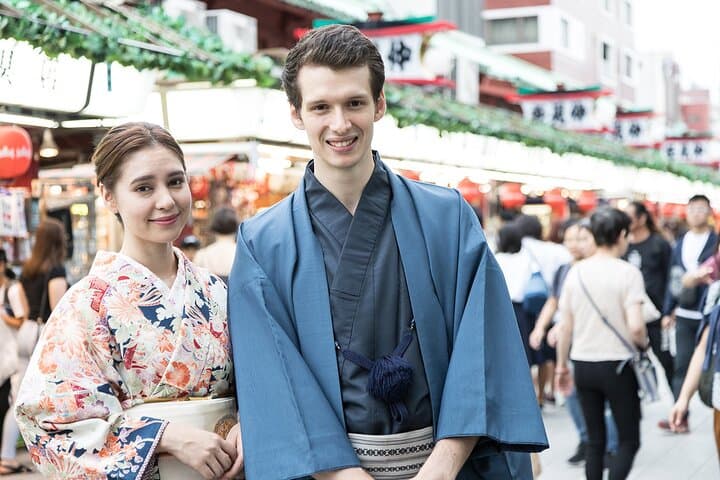
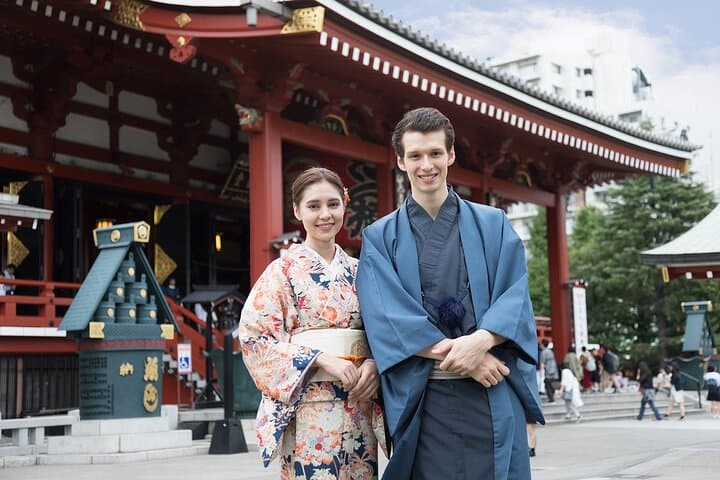
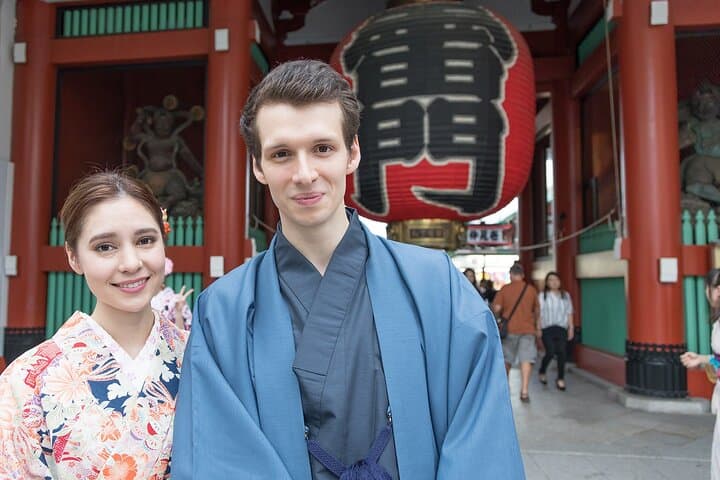
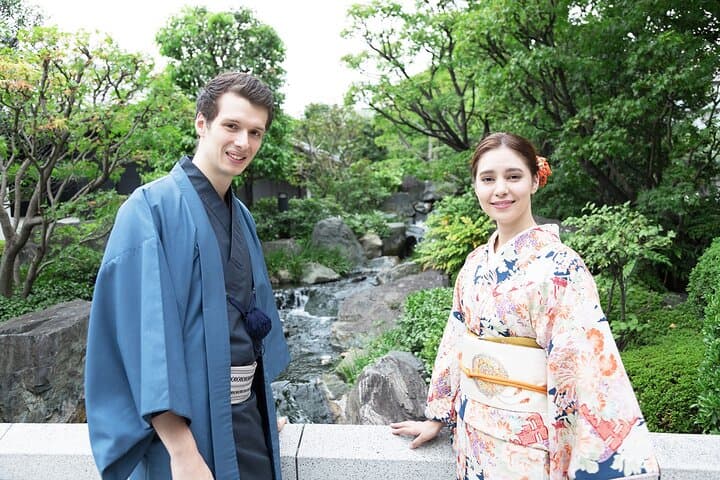
You step from a small dressing room into a corridor of lived-in wood and paper, the crisp fold of an obi cinched at your waist and geta waiting beneath your feet. Outside, Asakusa’s lantern-lit pagoda and the chatter of Nakamise Street frame the kimono like a living postcard. For six hours you move through Tokyo at a slower pace—temple gates, garden ponds, and narrow backstreets where the city’s older rhythms still hold.
You step from a small dressing room into a corridor of lived-in wood and paper, the crisp fold of an obi cinched at your waist and geta waiting beneath your feet. Outside, Asakusa’s lantern-lit pagoda and the chatter of Nakamise Street frame the kimono like a living postcard. For six hours you move through Tokyo at a slower pace—temple gates, garden ponds, and narrow backstreets where the city’s older rhythms still hold.
The kimono connects you to centuries of dress codes and rituals: the measured ties, the layered undergarments, and the etiquette of movement that evolved through Edo-period streets. Sensoji Temple, built near the Sumida in the 7th century and rebuilt after wartime damage, anchors the route, while nearby Meiji Shrine and Shinjuku Gyoen offer contrasting gardens—Shinto forest and manicured strolling grounds from the Edo elite.
Culturally, expect polite, structured interactions: bowing, modest photo practices at shrines, and small businesses used to guiding visitors in kimono etiquette. Geologically the city sits on alluvial plains of the Kanto region, so the terrain is flat and walkable—ideal for a dressed-up stroll.
Practical notes: allow roughly an hour for dressing and hair-styling, plan two to three stops chosen with your guide, and return the kimono by 5pm. Wear easy-to-remove footwear and modest underlayers; carry a small daypack and a camera — cell phones and cash are useful for shrine offerings and street snacks. If you’re tall (men over 190cm) expect an extra fitting fee paid at the shop.