THE ADVENTURE COLLECTIVE® · Independent discovery and booking for outdoor travel

Taste Tokyo through two of its liveliest market corridors. This private 3‑hour walk visits Tsukiji’s outer market or Ueno’s Ameya‑Yokocho, offering 6–8 curated tastings and insider background from a local guide.
Taste Tokyo through two of its liveliest market corridors. This private 3‑hour walk visits Tsukiji’s outer market or Ueno’s Ameya‑Yokocho, offering 6–8 curated tastings and insider background from a local guide.
The morning air near Tsukiji hangs with steam and sharp salt—fishmongers arranging trays, the clatter of knives and the city’s trains tugging commuters like iron ropes. Walk down a narrow lane in Ueno and Ameya-Yokocho opens like a living map of post-war Tokyo: squealing vendors, plastic-topped stalls, soy-sweet smoke curling toward shop signs.
Verified experiences and guided adventures in the surrounding area.
Operated by Guydeez · Tokyo, Tokyo
The morning air near Tsukiji hangs with steam and sharp salt—fishmongers arranging trays, the clatter of knives and the city’s trains tugging commuters like iron ropes. Walk down a narrow lane in Ueno and Ameya-Yokocho opens like a living map of post-war Tokyo: squealing vendors, plastic-topped stalls, soy-sweet smoke curling toward shop signs.
This private, three-hour tasting walk threads two food histories: Tsukiji’s centuries-old seafood trade (now concentrated at nearby Toyosu for wholesale) and Ueno’s Ameya-Yokocho, which evolved from an informal market after WWII into a boisterous food street. Tokyo sits on an alluvial plain at the head of Tokyo Bay, which shaped its seafood culture; many street foods and snacks here are adaptations of coastal resources and immigrant tastes.
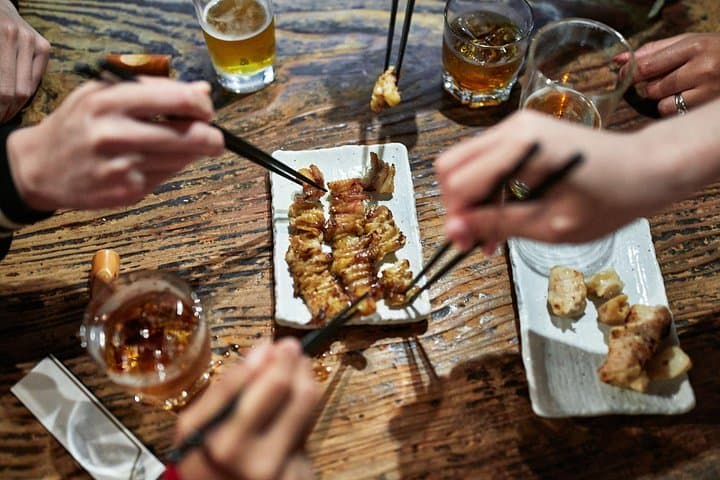
A local guide steers you away from tourist traps to 6–8 carefully chosen tastings—sushi, grilled skewers, seasonal sweets, and market-side snacks—while explaining knife cuts, rice seasoning, and the etiquette of sharing a tasting. Expect paved alleys, occasional steps, and close quarters at popular stalls. The guide customizes the route to dietary needs and mobility; the tour is private, with instant confirmation and wheelchair-accessible options.
Practicalities: bring small bills or a prepaid IC card, wear comfortable shoes for 2–3 hours of walking, and recharge your phone—you’ll want photos. Book morning slots for fresher seafood and calmer lanes. Above all, come ready to taste Tokyo’s layers: the city’s energy will push you forward as much as the flavors do.
easy.
3 hours.
Able to stand and walk for several hours on paved city streets; minimal elevation change
Yes—the tour offers a choice at booking; confirm which market you prefer and the host will design the route accordingly.
The listing notes wheelchair accessibility, but some individual stalls and narrow alleys may be tight—confirm specific accessibility needs with the operator before booking.
You’ll sample 6–8 tastings designed to provide a full-market experience rather than a single meal; bring light appetite or plan a later main meal accordingly.
Food and drink tastings are included as outlined; alcoholic samples may be offered but subject to local age restrictions and your preferences.
Tsukiji grew around Edo-era fish trade and later became Tokyo’s take on open-air seafood commerce; Ameya-Yokocho formed from a post-war black market and evolved into a bustling retail and snack street.
Sustainable seafood is a growing concern—ask guides about sourcing and choose stalls that use responsibly caught fish; minimize single-use plastic by carrying a reusable bag.
Guydeez operates guided outdoor trips and adventures with an emphasis on safety, stewardship, and memorable experiences.
The morning air near Tsukiji hangs with steam and sharp salt—fishmongers arranging trays, the clatter of knives and the city’s trains tugging commuters like iron ropes. Walk down a narrow lane in Ueno and Ameya-Yokocho opens like a living map of post-war Tokyo: squealing vendors, plastic-topped stalls, soy-sweet smoke curling toward shop signs.
The morning air near Tsukiji hangs with steam and sharp salt—fishmongers arranging trays, the clatter of knives and the city’s trains tugging commuters like iron ropes. Walk down a narrow lane in Ueno and Ameya-Yokocho opens like a living map of post-war Tokyo: squealing vendors, plastic-topped stalls, soy-sweet smoke curling toward shop signs.
This private, three-hour tasting walk threads two food histories: Tsukiji’s centuries-old seafood trade (now concentrated at nearby Toyosu for wholesale) and Ueno’s Ameya-Yokocho, which evolved from an informal market after WWII into a boisterous food street. Tokyo sits on an alluvial plain at the head of Tokyo Bay, which shaped its seafood culture; many street foods and snacks here are adaptations of coastal resources and immigrant tastes.
A local guide steers you away from tourist traps to 6–8 carefully chosen tastings—sushi, grilled skewers, seasonal sweets, and market-side snacks—while explaining knife cuts, rice seasoning, and the etiquette of sharing a tasting. Expect paved alleys, occasional steps, and close quarters at popular stalls. The guide customizes the route to dietary needs and mobility; the tour is private, with instant confirmation and wheelchair-accessible options.
Practicalities: bring small bills or a prepaid IC card, wear comfortable shoes for 2–3 hours of walking, and recharge your phone—you’ll want photos. Book morning slots for fresher seafood and calmer lanes. Above all, come ready to taste Tokyo’s layers: the city’s energy will push you forward as much as the flavors do.