THE ADVENTURE COLLECTIVE® · Independent discovery and booking for outdoor travel

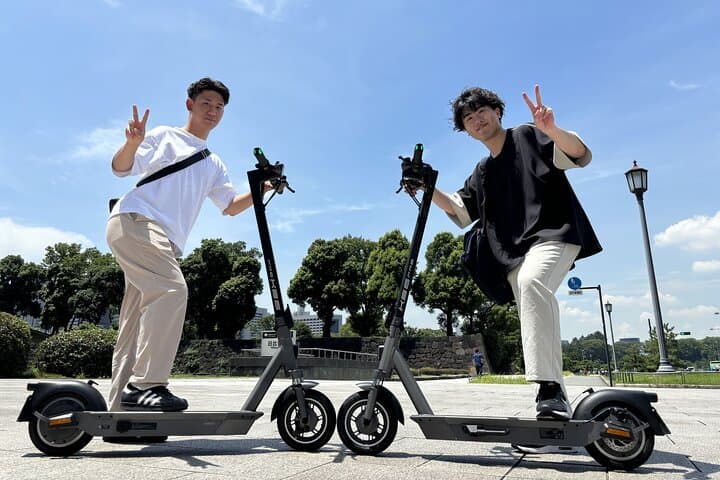
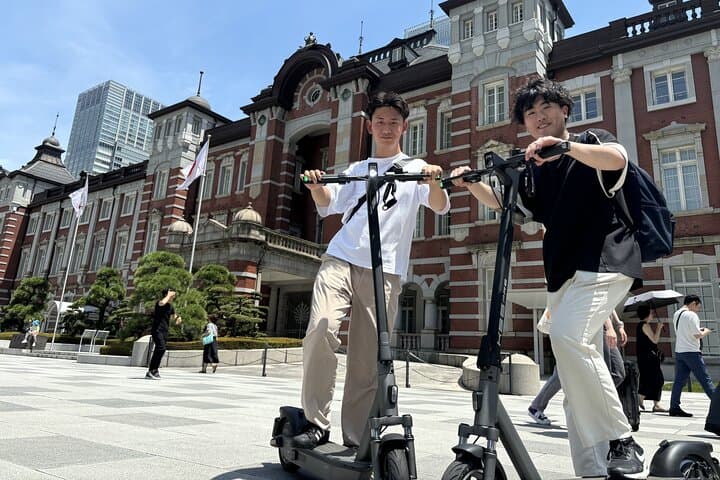
See Tokyo from an e‑scooter: glide through Asakusa alleys, riverside promenades and neon crossroads with a private guide who customizes the route. Ideal for riders of all levels looking for an active, flexible urban exploration.
See Tokyo from an e‑scooter: glide through Asakusa alleys, riverside promenades and neon crossroads with a private guide who customizes the route. Ideal for riders of all levels looking for an active, flexible urban exploration.
You start on two small wheels at dawn, the city still soft around Senso‑ji’s pagoda as shop shutters lift and vending machines hum.
Verified experiences and guided adventures in the surrounding area.
Operated by NEON NEON TOKYO · Tokyo, Tokyo
You start on two small wheels at dawn, the city still soft around Senso‑ji’s pagoda as shop shutters lift and vending machines hum.
An e‑scooter lets Tokyo’s textures pass differently: narrow wooden lanes in old neighborhoods, neon reflections along the canal, and sudden wide boulevards that push you forward with brisk city wind. Guides read the streets—they’ll route you from Asakusa’s Edo echoes through riverside promenades to modern crossroads in Shibuya or Shinjuku, tailoring stops to your interests.
Tokyo’s story is visible in layers: Edo merchant lanes giving way to Meiji brick and post‑war reinvention, all set on a low plain shaped by river deltas and distant volcanic soil that channels the city’s drainage. Culture surfaces in late‑morning markets, shrine rituals, and tucked cafes where guidebooks thin out. Local insights—quiet temples, seasonal river spots—let you avoid the tourist currents.
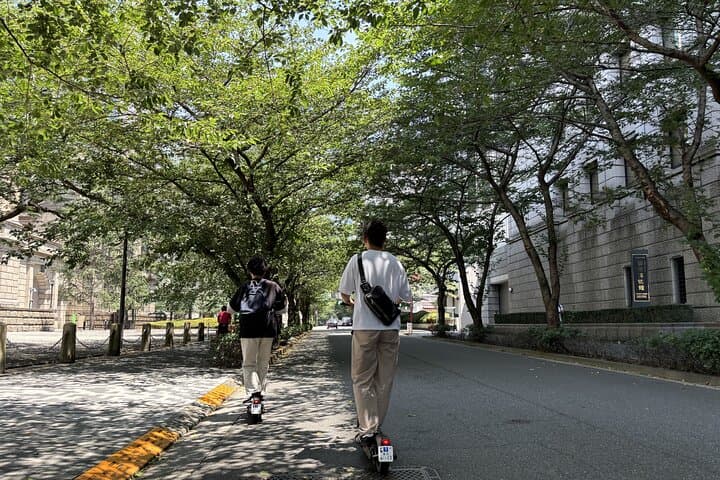
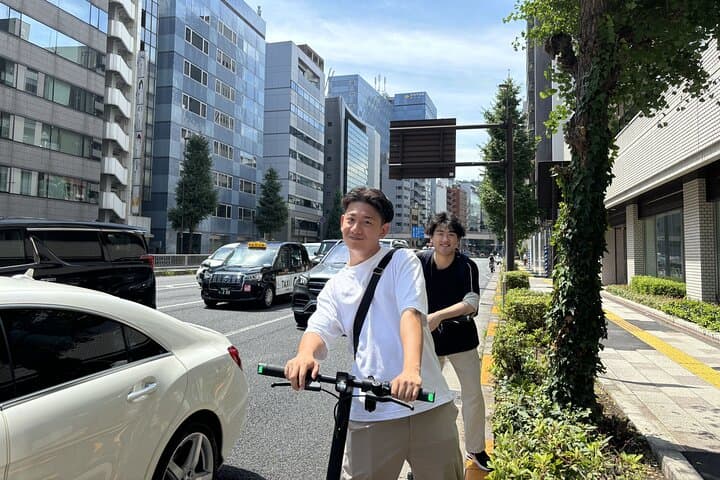
Practical guidance: expect 4–8 hours, variable pace, and urban riding that emphasizes rules and awareness. Helmets and brief training are standard; you’ll ride on bike lanes, quieter side streets, and sometimes slow urban traffic. Wear closed‑toe shoes, carry a compact rain layer, and plan breaks to taste street food or step into museums. Public transit hubs are never far if you want to pause or cut the route short.
This tour is an urban micro‑adventure—part mobility lesson, part cultural scavenger hunt—best scheduled for cooler hours or clear afternoons when visibility stretches to Mount Fuji on a good day.
easy.
4–8 hours.
Suitable for most fitness levels; you should be comfortable standing and balancing for extended periods and walking short distances.
No—guides provide a brief safety lesson and practice time; basic balance and confidence in traffic are helpful.
Yes—this private tour is tailored to your interests, from historical Asakusa lanes to modern Shibuya crossings.
Families and older riders can join if they meet minimum age and physical requirements; disclose ages when booking to confirm suitability.
Tours may be canceled for heavy rain or unsafe conditions; operators typically allow refunds or rescheduling per policy.
Tokyo grew from Edo, a 17th‑century shogunate city; today’s streets layer merchant lanes, Meiji modernization, and post‑war rebuilding.
Micro‑mobility reduces local emissions, and operators emphasize staying on legal bike routes, minimizing sidewalk riding and respecting pedestrian zones.
NEON NEON TOKYO operates guided outdoor trips and adventures with an emphasis on safety, stewardship, and memorable experiences.
You start on two small wheels at dawn, the city still soft around Senso‑ji’s pagoda as shop shutters lift and vending machines hum.
You start on two small wheels at dawn, the city still soft around Senso‑ji’s pagoda as shop shutters lift and vending machines hum.
An e‑scooter lets Tokyo’s textures pass differently: narrow wooden lanes in old neighborhoods, neon reflections along the canal, and sudden wide boulevards that push you forward with brisk city wind. Guides read the streets—they’ll route you from Asakusa’s Edo echoes through riverside promenades to modern crossroads in Shibuya or Shinjuku, tailoring stops to your interests.
Tokyo’s story is visible in layers: Edo merchant lanes giving way to Meiji brick and post‑war reinvention, all set on a low plain shaped by river deltas and distant volcanic soil that channels the city’s drainage. Culture surfaces in late‑morning markets, shrine rituals, and tucked cafes where guidebooks thin out. Local insights—quiet temples, seasonal river spots—let you avoid the tourist currents.
Practical guidance: expect 4–8 hours, variable pace, and urban riding that emphasizes rules and awareness. Helmets and brief training are standard; you’ll ride on bike lanes, quieter side streets, and sometimes slow urban traffic. Wear closed‑toe shoes, carry a compact rain layer, and plan breaks to taste street food or step into museums. Public transit hubs are never far if you want to pause or cut the route short.
This tour is an urban micro‑adventure—part mobility lesson, part cultural scavenger hunt—best scheduled for cooler hours or clear afternoons when visibility stretches to Mount Fuji on a good day.