THE ADVENTURE COLLECTIVE® · Independent discovery and booking for outdoor travel

Walk through Tokyo’s historic districts, then learn Maki-e lacquer techniques in a hands-on workshop. This private 6‑hour tour mixes cultural context with a studio craft experience—ideal for travelers who want a compact, customizable cultural day.
Walk through Tokyo’s historic districts, then learn Maki-e lacquer techniques in a hands-on workshop. This private 6‑hour tour mixes cultural context with a studio craft experience—ideal for travelers who want a compact, customizable cultural day.
You step from a narrow Tokyo side street into the bright open approach to Sensoji—the cedar-scented gate framing a river of visitors and paper lanterns. The city’s pulse is constant: trains arriving like breathing machines, old temples standing firm beside neon. Your guide moves with practiced ease, pointing out a shrine plaque here, a lacquer sign there, then hands you over to Mutoh’s lacquer studio where gold dust becomes pattern beneath your steady hand.
Verified experiences and guided adventures in the surrounding area.
Operated by Japan Guide Agency · Tokyo, Tokyo
You step from a narrow Tokyo side street into the bright open approach to Sensoji—the cedar-scented gate framing a river of visitors and paper lanterns. The city’s pulse is constant: trains arriving like breathing machines, old temples standing firm beside neon. Your guide moves with practiced ease, pointing out a shrine plaque here, a lacquer sign there, then hands you over to Mutoh’s lacquer studio where gold dust becomes pattern beneath your steady hand.
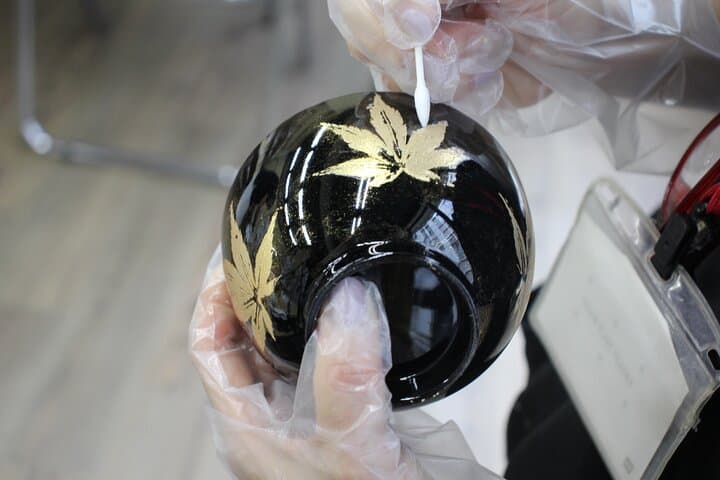
This half-day tour threads Tokyo’s historical neighborhoods—Asakusa’s Edo-era alleys, the Imperial Palace perimeter and the contrasting modernity of Shibuya—paired with a two-hour Maki-e workshop. Maki-e is a centuries-old lacquer technique that layers urushi and sprinkles metal powder to create raised, reflective motifs once reserved for samurai and court objects. The route touches urban gardens like Shinjuku Gyoen and smaller, quieter corners—Koishikawa Korakuen and Yanaka’s old town—places that show how Tokyo grew from Edo’s low city into a global metropolis.
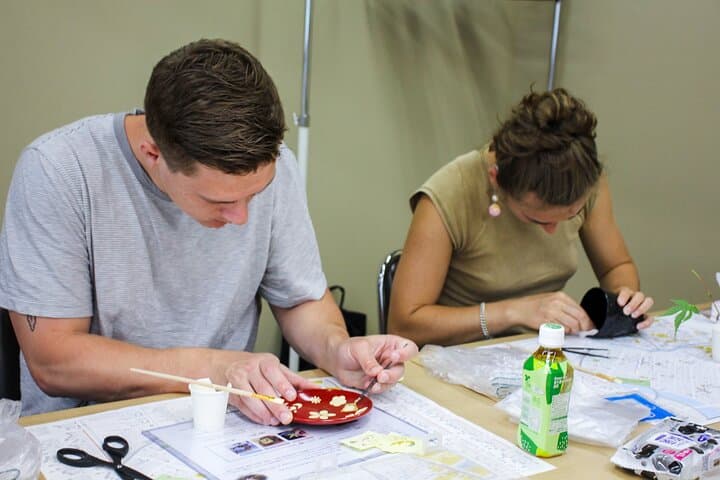
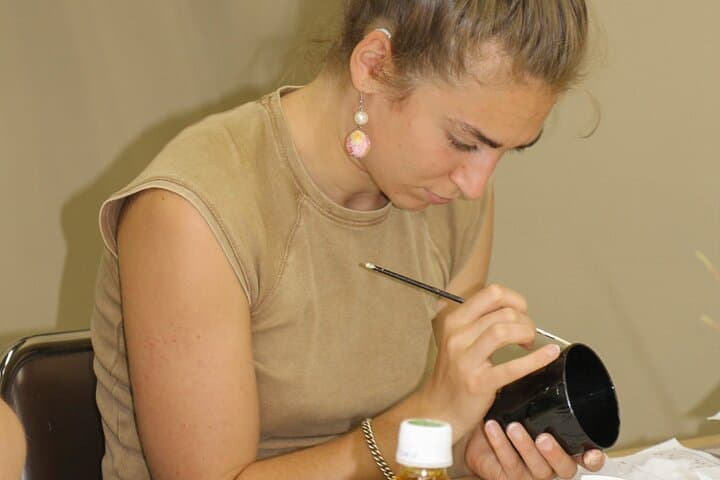
Expect mostly flat walking on paved streets and garden paths, with brief stops for photos and local snacks. The Maki-e session is hands-on and requires patience more than strength; you’ll sit at a bench applying lacquer and powder under instructor guidance. Practical notes: wear comfortable shoes, carry a refillable water bottle, and bring small bills for street food and shrine offerings. Morning departures avoid heat and crowds; late afternoons bring soft light in the gardens. The day mixes cultural depth with tactile craft work—ideal for travelers who like learning by doing and want a compact, customizable view of Tokyo.
easy.
6 hours.
Casual walkers are fine; you should be comfortable standing and walking on paved surfaces for several hours.
Yes; the listing notes wheelchair accessibility for surfaces and transportation, but notify the operator when booking to ensure route and workshop accommodation.
No prior experience is required—studio instructors guide you through basic techniques and most participants complete a small finished piece.
Yes; the tour is private and the itinerary can be tailored—discuss 2–3 preferred stops with your guide after booking.
A licensed local English-speaking guide is included; request other language support when booking but it may not be available.
Maki-e dates back to the Heian and Edo periods when lacquerware signaled status; many Tokyo neighborhoods on the route grew from Edo’s commerce districts into modern wards.
Workshops use precious metal powders and lacquer—respect studio guidance to minimize waste; practice Leave No Trace principles in parks and temple grounds.
Japan Guide Agency operates guided outdoor trips and adventures with an emphasis on safety, stewardship, and memorable experiences.

You step from a narrow Tokyo side street into the bright open approach to Sensoji—the cedar-scented gate framing a river of visitors and paper lanterns. The city’s pulse is constant: trains arriving like breathing machines, old temples standing firm beside neon. Your guide moves with practiced ease, pointing out a shrine plaque here, a lacquer sign there, then hands you over to Mutoh’s lacquer studio where gold dust becomes pattern beneath your steady hand.
You step from a narrow Tokyo side street into the bright open approach to Sensoji—the cedar-scented gate framing a river of visitors and paper lanterns. The city’s pulse is constant: trains arriving like breathing machines, old temples standing firm beside neon. Your guide moves with practiced ease, pointing out a shrine plaque here, a lacquer sign there, then hands you over to Mutoh’s lacquer studio where gold dust becomes pattern beneath your steady hand.
This half-day tour threads Tokyo’s historical neighborhoods—Asakusa’s Edo-era alleys, the Imperial Palace perimeter and the contrasting modernity of Shibuya—paired with a two-hour Maki-e workshop. Maki-e is a centuries-old lacquer technique that layers urushi and sprinkles metal powder to create raised, reflective motifs once reserved for samurai and court objects. The route touches urban gardens like Shinjuku Gyoen and smaller, quieter corners—Koishikawa Korakuen and Yanaka’s old town—places that show how Tokyo grew from Edo’s low city into a global metropolis.
Expect mostly flat walking on paved streets and garden paths, with brief stops for photos and local snacks. The Maki-e session is hands-on and requires patience more than strength; you’ll sit at a bench applying lacquer and powder under instructor guidance. Practical notes: wear comfortable shoes, carry a refillable water bottle, and bring small bills for street food and shrine offerings. Morning departures avoid heat and crowds; late afternoons bring soft light in the gardens. The day mixes cultural depth with tactile craft work—ideal for travelers who like learning by doing and want a compact, customizable view of Tokyo.