THE ADVENTURE COLLECTIVE® · Independent discovery and booking for outdoor travel

Combine a focused walking tour of Tokyo's landmark neighborhoods with an hour-long Batto sword-cutting experience in Ginza. Perfect for travelers who want history, hands-on culture and efficient city exploration in one half-day.
Combine a focused walking tour of Tokyo's landmark neighborhoods with an hour-long Batto sword-cutting experience in Ginza. Perfect for travelers who want history, hands-on culture and efficient city exploration in one half-day.
You step off a crowded Ginza sidewalk into a smaller street where a licensed English-speaking guide meets you, umbrella in hand if the sky threatens rain. The city hums—neon, tram bells, the scent of grilled street food—then narrows as the group threads toward HiSUi Tokyo for a Batto (sword) lesson in hakama. For an hour you trade skyscraper reflections for the clean, startling geometry of an edged blade.
Verified experiences and guided adventures in the surrounding area.
Operated by Japan Guide Agency · Tokyo, Tokyo
You step off a crowded Ginza sidewalk into a smaller street where a licensed English-speaking guide meets you, umbrella in hand if the sky threatens rain. The city hums—neon, tram bells, the scent of grilled street food—then narrows as the group threads toward HiSUi Tokyo for a Batto (sword) lesson in hakama. For an hour you trade skyscraper reflections for the clean, startling geometry of an edged blade.
Tokyo layers centuries into a compact footprint. From the Tokugawa seat at Edo Castle to the 7th‑century origins of Senso‑ji, the city’s history is visible in temple gates, stone moats and reconstructed palace walls. Batto, closely related to tameshigiri, is a practice born of samurai training: cutting—carefully—through rolled tatami as a test of technique and respect.
Culturally, this experience sits at the intersection of urban exploration and living tradition. Your guide can stitch together Asakusa's temple lanes, the Imperial Palace moats, or the green respite of Shinjuku Gyoen before you don traditional hakama and learn controlled footwork, drawing and striking under instructor supervision.
Practically: wear sturdy walking shoes and light layers, bring a filled water bottle and your passport for ID, and budget five hours total. Participants of most fitness levels can manage the pace—expect 3–4 miles of walking at an urban tempo. The sword session includes safety briefings and instructor demonstration; you may try a supervised cut if you wish. Customize the route with your guide to focus on food, gardens or modern architecture. Plan for busy transit and allow extra time if you want longer stops at temples or markets.
easy.
5 hours.
Light urban walking ability; able to stand and follow basic physical instructions for sword practice
Yes; under instructor supervision you may perform a supervised cut using traditional technique and practice targets (tameshigiri), provided you follow safety briefings.
The walking portion is suitable for most ages and fitness levels; the sword session requires you to follow instructions—consult the operator about age or mobility limits when booking.
Many pickup and route areas are accessible, and the operator notes wheelchair accessibility—confirm specifics when you reserve to plan a suitable itinerary.
Yes—choose 2–3 sights from the provided list and work with your guide to tailor the route and timing.
Tokyo grew from Edo, the Tokugawa shogunate’s seat; many sites on this tour—Senso‑ji, palace walls—trace their roots to that era.
Respect shrine and garden rules—stay on paths, avoid feeding wildlife and follow local guidance for cultural artifacts to minimize impact.
Japan Guide Agency operates guided outdoor trips and adventures with an emphasis on safety, stewardship, and memorable experiences.
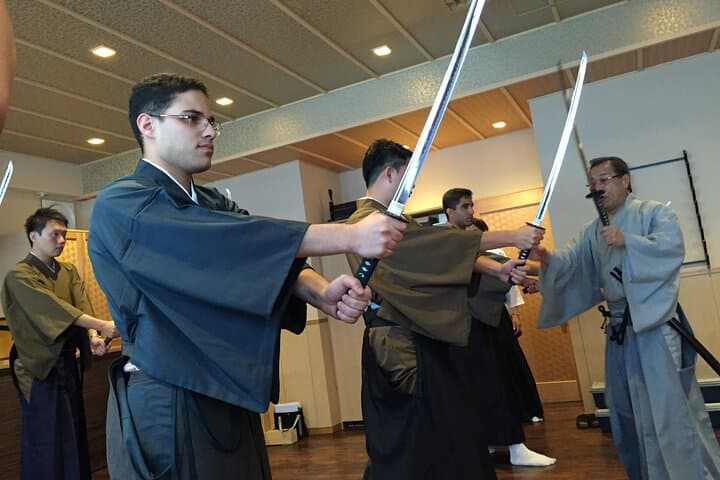
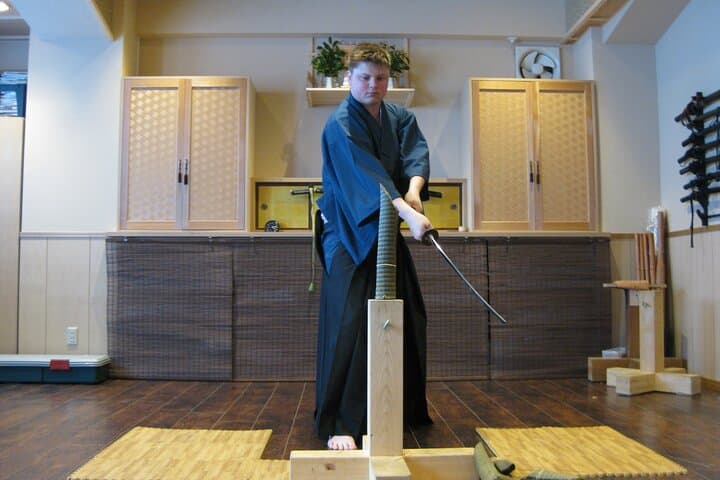
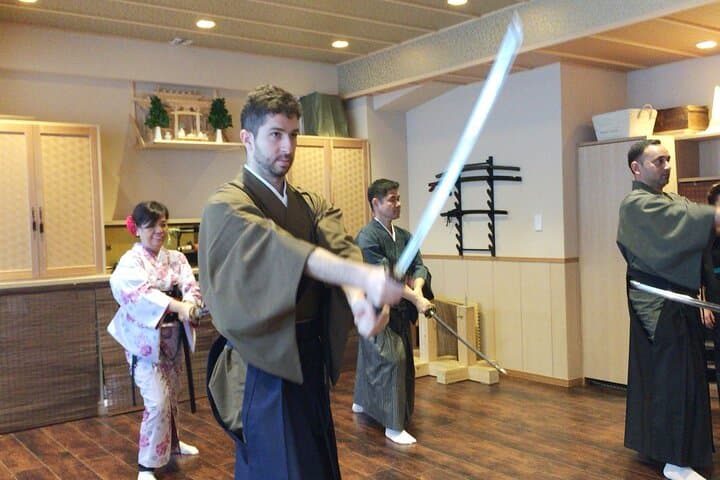
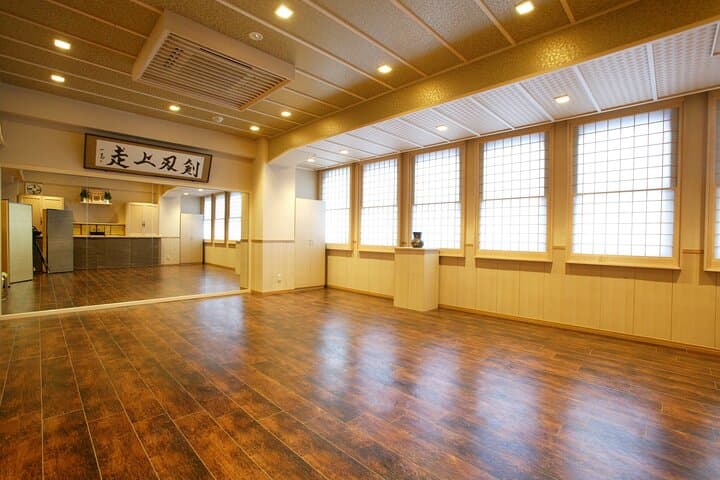
You step off a crowded Ginza sidewalk into a smaller street where a licensed English-speaking guide meets you, umbrella in hand if the sky threatens rain. The city hums—neon, tram bells, the scent of grilled street food—then narrows as the group threads toward HiSUi Tokyo for a Batto (sword) lesson in hakama. For an hour you trade skyscraper reflections for the clean, startling geometry of an edged blade.
You step off a crowded Ginza sidewalk into a smaller street where a licensed English-speaking guide meets you, umbrella in hand if the sky threatens rain. The city hums—neon, tram bells, the scent of grilled street food—then narrows as the group threads toward HiSUi Tokyo for a Batto (sword) lesson in hakama. For an hour you trade skyscraper reflections for the clean, startling geometry of an edged blade.
Tokyo layers centuries into a compact footprint. From the Tokugawa seat at Edo Castle to the 7th‑century origins of Senso‑ji, the city’s history is visible in temple gates, stone moats and reconstructed palace walls. Batto, closely related to tameshigiri, is a practice born of samurai training: cutting—carefully—through rolled tatami as a test of technique and respect.
Culturally, this experience sits at the intersection of urban exploration and living tradition. Your guide can stitch together Asakusa's temple lanes, the Imperial Palace moats, or the green respite of Shinjuku Gyoen before you don traditional hakama and learn controlled footwork, drawing and striking under instructor supervision.
Practically: wear sturdy walking shoes and light layers, bring a filled water bottle and your passport for ID, and budget five hours total. Participants of most fitness levels can manage the pace—expect 3–4 miles of walking at an urban tempo. The sword session includes safety briefings and instructor demonstration; you may try a supervised cut if you wish. Customize the route with your guide to focus on food, gardens or modern architecture. Plan for busy transit and allow extra time if you want longer stops at temples or markets.