THE ADVENTURE COLLECTIVE® · Independent discovery and booking for outdoor travel

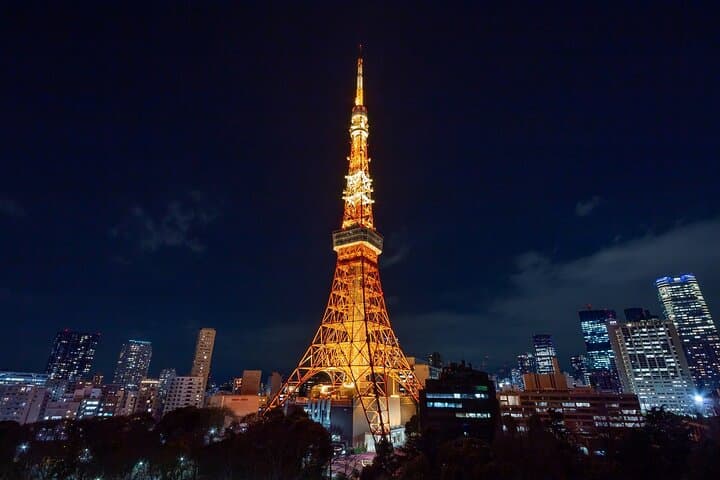
One pass, dozens of doors: THE TOKYO PASS unlocks admission to over 50 museums, gardens, zoos and observation decks across Tokyo. Activate the app, plan by neighborhood, and trade ticket lines for more time inside the city’s cultural highlights.
One pass, dozens of doors: THE TOKYO PASS unlocks admission to over 50 museums, gardens, zoos and observation decks across Tokyo. Activate the app, plan by neighborhood, and trade ticket lines for more time inside the city’s cultural highlights.
The city wakes in tiers: bicycle bells on narrow lanes, an express train threading through glass towers, and park paths scattering light across early-morning ponds. Holding a Tokyo Pass feels like a key—one that opens museum doors, museum gardens and observation decks without a paper queue to navigate.
Verified experiences and guided adventures in the surrounding area.
Operated by The Tokyo Pass · Tokyo, Tokyo
The city wakes in tiers: bicycle bells on narrow lanes, an express train threading through glass towers, and park paths scattering light across early-morning ponds. Holding a Tokyo Pass feels like a key—one that opens museum doors, museum gardens and observation decks without a paper queue to navigate.
Tokyo sits on the Kanto plain where Edo once held court; that history is visible in quiet gardens and Meiji-era artifacts, while modernity announces itself in contemporary galleries and towering observation decks. Geologically flat but culturally layered, Tokyo’s attractions range from Edo-period strolling gardens to avant-garde museums that map Japan’s modern creative pulse.
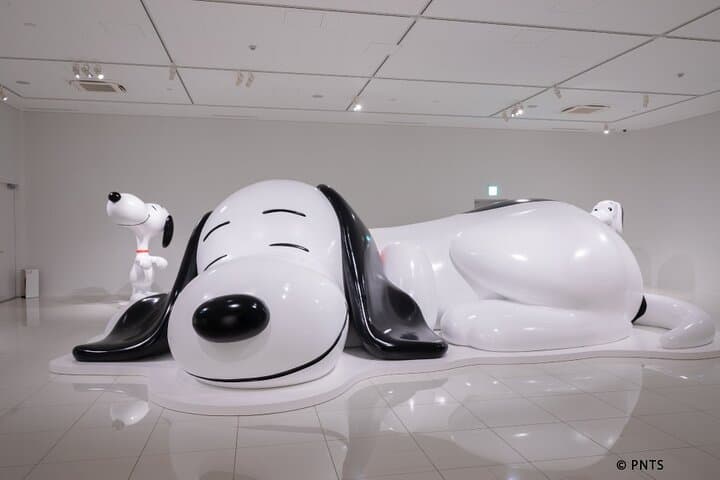
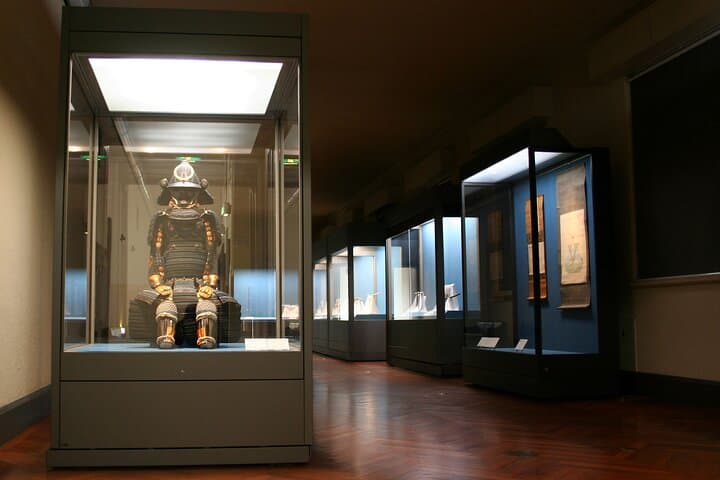
Culturally, the pass amplifies contrast: at the Tokyo National Museum you meet samurai-era textiles; at the Mori Art Museum you encounter cutting-edge installations. Local insights matter—many smaller museums concentrate on a single artist or craft and reward slower, focused visits. Accessibility varies by facility: most sites are wheelchair-friendly, but check each venue for lift access and exhibit restrictions.
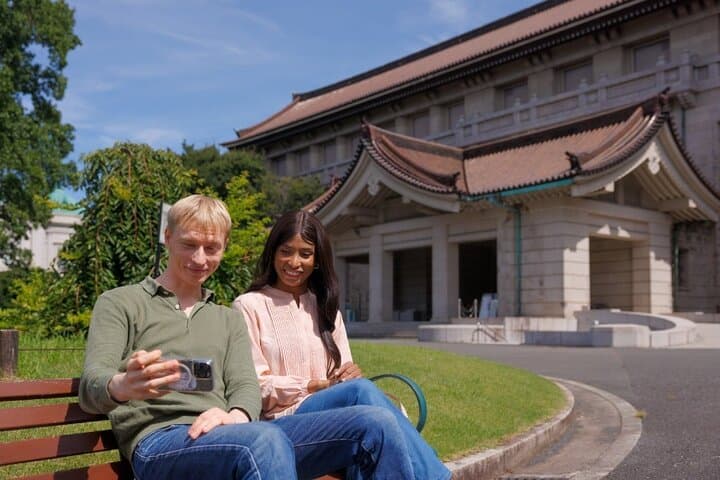
Practical guidance: activate the pass through the provider’s website and the companion app before you arrive; activation windows are limited to business hours. If you added the Tokyo Subway Ticket, exchange the QR code at station machines to get a physical card. Plan 60–120 minutes per major attraction; combine nearby sites (Ueno museums, then Ueno Park) to save transit time. Weekdays and early mornings reduce crowds; evening openings at select venues offer quieter views. Keep your phone charged, download maps, and respect photography and food rules inside museums. The Tokyo Pass is a tool for paced discovery—use it to trade lines for time, and let the city’s layers reveal themselves on foot and by rail.
easy.
1–8 hours per day (pass valid 1–5 days).
Suitable for general mobility; expect moderate walking between venues and on stairs inside observation decks
After purchase you’ll receive an activation code by email; register at mytokyopass.com, enter the code, then download and log into the app to start using the pass.
The subway ticket is an optional add-on—if purchased, exchange the QR code at a station vending machine for a physical ticket before riding.
Most passes include permanent collections; special exhibitions and some premium attractions may not be covered—check each attraction’s details in the app.
THE TOKYO PASS is sold at adult rates and not recommended for ages 65+ in some cases; age-based discounts vary by attraction so confirm eligibility at individual sites.
Tokyo grew from Edo, the feudal seat of power; many gardens and museums preserve artifacts and landscapes that trace that urban evolution.
Museums and gardens in Tokyo emphasize preservation—follow exhibit rules, avoid flash photography where prohibited, and stick to marked paths in gardens to protect plantings.
The Tokyo Pass operates guided outdoor trips and adventures with an emphasis on safety, stewardship, and memorable experiences.
The city wakes in tiers: bicycle bells on narrow lanes, an express train threading through glass towers, and park paths scattering light across early-morning ponds. Holding a Tokyo Pass feels like a key—one that opens museum doors, museum gardens and observation decks without a paper queue to navigate.
The city wakes in tiers: bicycle bells on narrow lanes, an express train threading through glass towers, and park paths scattering light across early-morning ponds. Holding a Tokyo Pass feels like a key—one that opens museum doors, museum gardens and observation decks without a paper queue to navigate.
Tokyo sits on the Kanto plain where Edo once held court; that history is visible in quiet gardens and Meiji-era artifacts, while modernity announces itself in contemporary galleries and towering observation decks. Geologically flat but culturally layered, Tokyo’s attractions range from Edo-period strolling gardens to avant-garde museums that map Japan’s modern creative pulse.
Culturally, the pass amplifies contrast: at the Tokyo National Museum you meet samurai-era textiles; at the Mori Art Museum you encounter cutting-edge installations. Local insights matter—many smaller museums concentrate on a single artist or craft and reward slower, focused visits. Accessibility varies by facility: most sites are wheelchair-friendly, but check each venue for lift access and exhibit restrictions.
Practical guidance: activate the pass through the provider’s website and the companion app before you arrive; activation windows are limited to business hours. If you added the Tokyo Subway Ticket, exchange the QR code at station machines to get a physical card. Plan 60–120 minutes per major attraction; combine nearby sites (Ueno museums, then Ueno Park) to save transit time. Weekdays and early mornings reduce crowds; evening openings at select venues offer quieter views. Keep your phone charged, download maps, and respect photography and food rules inside museums. The Tokyo Pass is a tool for paced discovery—use it to trade lines for time, and let the city’s layers reveal themselves on foot and by rail.