THE ADVENTURE COLLECTIVE® · Independent discovery and booking for outdoor travel

Step into a Tokyo dojo for a 1-hour, English-language ninja lesson led by a Japanese Sensei—expect meditation, shuriken practice, wooden-sword drills, and costume rental. Ideal for beginners, families, and travelers wanting a hands-on cultural workout.
Step into a Tokyo dojo for a 1-hour, English-language ninja lesson led by a Japanese Sensei—expect meditation, shuriken practice, wooden-sword drills, and costume rental. Ideal for beginners, families, and travelers wanting a hands-on cultural workout.
You step into a low-lit studio in central Tokyo and the sound of wooden sandals fades as the Sensei bows. The air smells faintly of tatami and lacquered wood; a row of black tabi waits beside a rack of wooden training swords. For a single hour you move from watching to doing—learning meditative breathing, shuriken throws, and the controlled footwork that underpins historic ninja tactics.
Verified experiences and guided adventures in the surrounding area.
Operated by NINJA INTERNATIONAL Inc. · Tokyo, Tokyo
You step into a low-lit studio in central Tokyo and the sound of wooden sandals fades as the Sensei bows. The air smells faintly of tatami and lacquered wood; a row of black tabi waits beside a rack of wooden training swords. For a single hour you move from watching to doing—learning meditative breathing, shuriken throws, and the controlled footwork that underpins historic ninja tactics.
Ninjas trace their roots to Iga and Koga districts; the techniques you practice are distilled from espionage traditions and theatrical reinventions that survived Edo-period folklore and modern martial-arts schools. Geologically, Tokyo sits on the Kanto Plain, a flat urban stage whose rivers and man-made canals once shaped covert travel routes; cultural layers here mix samurai and showmanship as readily as concrete and canal water.
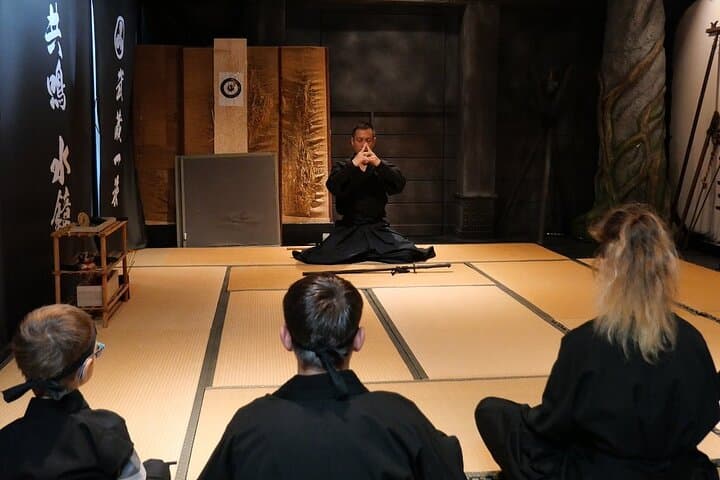
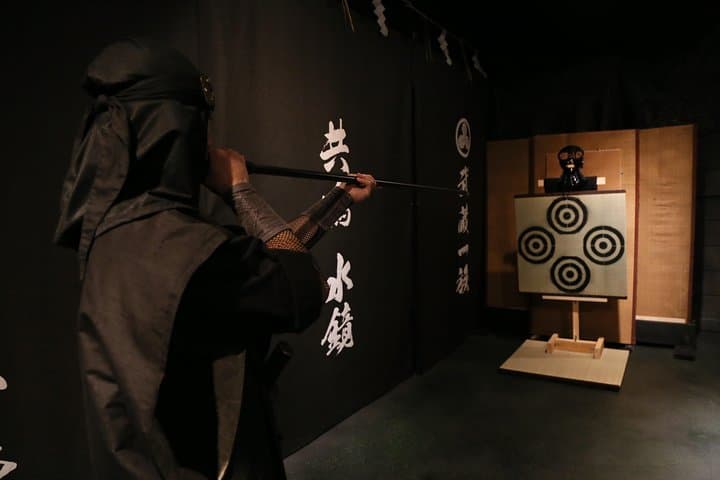
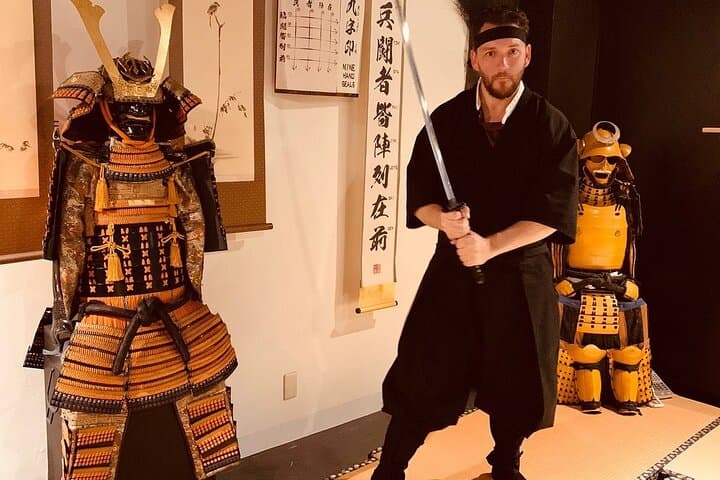
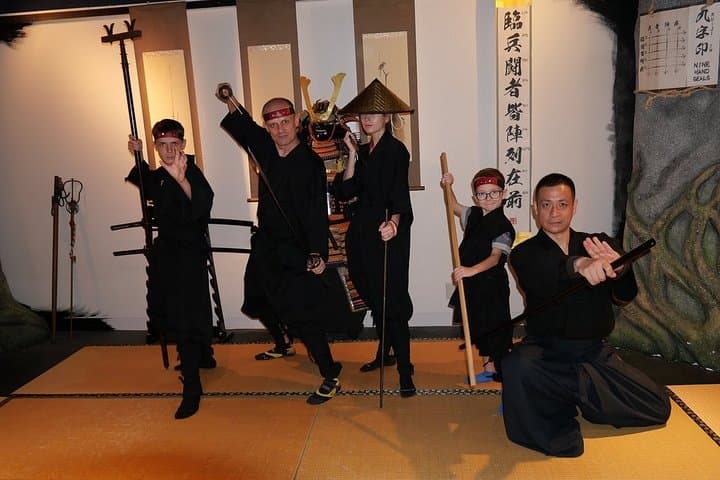
The class balances demonstration with hands-on drills: Kuji-In meditation, weapon-safe form with wooden swords, shuriken target work, and short blowgun practice. Instruction is in English; the environment is controlled and designed for beginners—costumes are provided and all replica weapons are nonlethal.
Practical notes: wear athletic clothes that allow lateral movement, arrive 10–15 minutes early to change and hear a short safety briefing, and disclose any back or heart issues in advance. Sessions run about 60 minutes and cap small groups for focused coaching. Photography rules and etiquette are explained on arrival; bowing and quiet attention are part of the experience.
Expect sweat, precise repetition, and a tidy rush of focus—the class delivers a compact, culturally rich taste of historic martial craft without prior experience required.
easy.
1 hour (60 minutes).
Suitable for most fitness levels; basic mobility and ability to kneel/squat recommended
No—this class is designed for beginners and teaches foundational movements and safety before progressing to weapon drills.
No—training uses wooden or blunt practice weapons and supervised, staged tools; no live blades are employed in the lesson.
Yes—children can join but check age limits with the operator; parental supervision and size-appropriate instruction are provided.
Yes—the Sensei provides training in English and demonstrations are paced for non-Japanese speakers.
Ninja arts originated in Iga and Koga as espionage and guerrilla skills; modern Tokyo lessons often blend historical technique with safe, theatrical practice for visitors.
Respect cultural heritage by following the dojo’s guidance on handling replica tools and disposing of waste; small classes reduce wear on historic-style spaces.
NINJA INTERNATIONAL Inc. operates guided outdoor trips and adventures with an emphasis on safety, stewardship, and memorable experiences.
You step into a low-lit studio in central Tokyo and the sound of wooden sandals fades as the Sensei bows. The air smells faintly of tatami and lacquered wood; a row of black tabi waits beside a rack of wooden training swords. For a single hour you move from watching to doing—learning meditative breathing, shuriken throws, and the controlled footwork that underpins historic ninja tactics.
You step into a low-lit studio in central Tokyo and the sound of wooden sandals fades as the Sensei bows. The air smells faintly of tatami and lacquered wood; a row of black tabi waits beside a rack of wooden training swords. For a single hour you move from watching to doing—learning meditative breathing, shuriken throws, and the controlled footwork that underpins historic ninja tactics.
Ninjas trace their roots to Iga and Koga districts; the techniques you practice are distilled from espionage traditions and theatrical reinventions that survived Edo-period folklore and modern martial-arts schools. Geologically, Tokyo sits on the Kanto Plain, a flat urban stage whose rivers and man-made canals once shaped covert travel routes; cultural layers here mix samurai and showmanship as readily as concrete and canal water.
The class balances demonstration with hands-on drills: Kuji-In meditation, weapon-safe form with wooden swords, shuriken target work, and short blowgun practice. Instruction is in English; the environment is controlled and designed for beginners—costumes are provided and all replica weapons are nonlethal.
Practical notes: wear athletic clothes that allow lateral movement, arrive 10–15 minutes early to change and hear a short safety briefing, and disclose any back or heart issues in advance. Sessions run about 60 minutes and cap small groups for focused coaching. Photography rules and etiquette are explained on arrival; bowing and quiet attention are part of the experience.
Expect sweat, precise repetition, and a tidy rush of focus—the class delivers a compact, culturally rich taste of historic martial craft without prior experience required.