THE ADVENTURE COLLECTIVE® · Independent discovery and booking for outdoor travel

Step into a ninja studio in Tokyo for 75 minutes of costume, shuriken throwing, silent running and a staged sword mission with hotel pickup included. This hands‑on program blends theatrical showmanship with basic ninjutsu techniques and ends with a diploma.
Step into a ninja studio in Tokyo for 75 minutes of costume, shuriken throwing, silent running and a staged sword mission with hotel pickup included. This hands‑on program blends theatrical showmanship with basic ninjutsu techniques and ends with a diploma.
The lesson begins in a compact studio near central Tokyo, the lights low and the air taut with practiced silence. You step into a dark robe, the fabric settling against your shoulders, and for seventy-five minutes the city’s neon hum feels a world away. Instructors move with efficient economy — a living lesson in focus — and the room tightens into the rhythm of drills, throws, and staged duels.
Verified experiences and guided adventures in the surrounding area.
Operated by True Japan Tour · Tokyo, Tokyo
The lesson begins in a compact studio near central Tokyo, the lights low and the air taut with practiced silence. You step into a dark robe, the fabric settling against your shoulders, and for seventy-five minutes the city’s neon hum feels a world away. Instructors move with efficient economy — a living lesson in focus — and the room tightens into the rhythm of drills, throws, and staged duels.
The class connects modern performance to a rougher past: ninjutsu developed in the Iga and Kōga regions as espionage and survival tactics during Japan’s feudal era. In Tokyo, that tradition is performed and distilled — not historical reenactment but a theatrical, kinetic primer that borrows breathing techniques, silent footwork and replica weapons. The experience sits alongside Tokyo’s Edo and Meiji layers, where urban geology (reclaimed plains and river terraces) became a stage for rapid cultural reinvention.
Practically, the program runs about 75 minutes, includes a ninja costume, basic equipment and a nationally-licensed English-speaking guide, and ends with a mission and diploma. Hotel pick-up is available; the program drops you at the nearest station afterward. Expect light physical movement: ninja running, crouches, shuriken throws and supervised sword work — nothing technical, but you’ll bend and pivot quickly. Wear fitted clothing under the costume, bring a small water bottle, and arrive with any health notes flagged to the operator.
This is an energetic urban cultural activity: short, focused, and great for travelers who want playful movement and a hands-on connection to samurai-era lore.
easy.
1 hour 15 minutes.
Suitable for most fitness levels; requires basic mobility for crouches, short runs and throwing motions.
The program runs approximately 75 minutes and includes instruction, a short show, a mission and a diploma presentation.
Yes — hotel pickup is included in the listing; the tour concludes at the nearest station to the venue.
The activity is suitable for all fitness levels but is not recommended for participants with spinal injuries, serious heart problems, or pregnancy; disclose health issues when booking.
Yes — a ninja costume is provided and a commemorative photo is part of the program; staff will advise the best time for photos.
Ninjutsu originated as practical espionage and guerrilla tactics in the Iga and Kōga regions; modern Tokyo programs adapt those elements into theatrical instruction and performance.
Operators commonly reuse costumes and props to reduce waste; visitors can help by treating equipment respectfully and following staff guidance to minimize wear.
True Japan Tour operates guided outdoor trips and adventures with an emphasis on safety, stewardship, and memorable experiences.
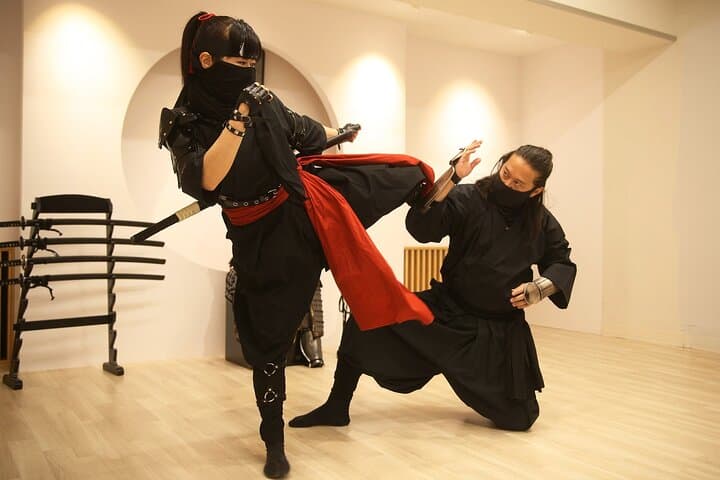
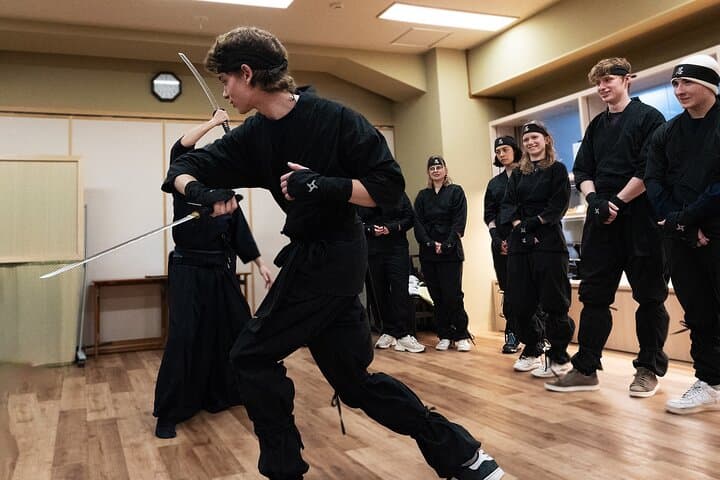
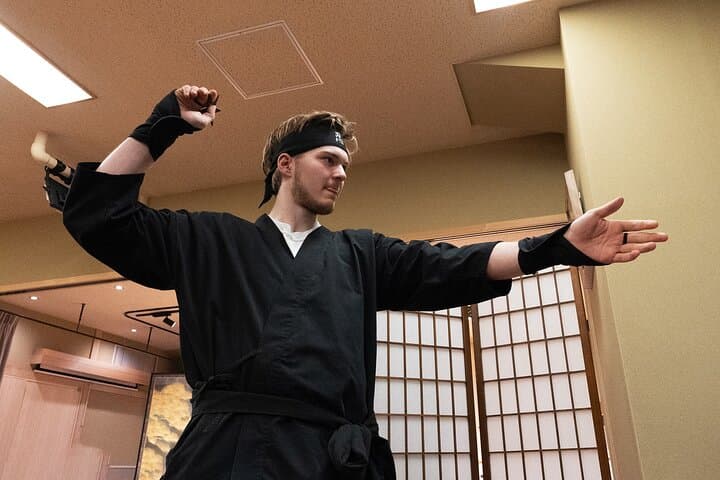
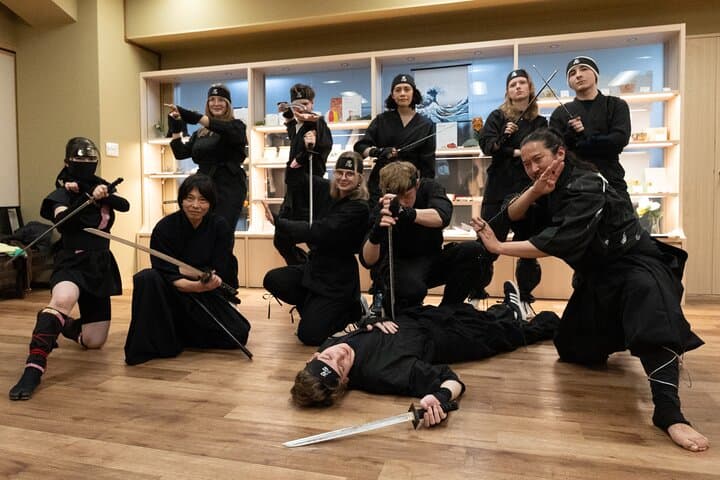
The lesson begins in a compact studio near central Tokyo, the lights low and the air taut with practiced silence. You step into a dark robe, the fabric settling against your shoulders, and for seventy-five minutes the city’s neon hum feels a world away. Instructors move with efficient economy — a living lesson in focus — and the room tightens into the rhythm of drills, throws, and staged duels.
The lesson begins in a compact studio near central Tokyo, the lights low and the air taut with practiced silence. You step into a dark robe, the fabric settling against your shoulders, and for seventy-five minutes the city’s neon hum feels a world away. Instructors move with efficient economy — a living lesson in focus — and the room tightens into the rhythm of drills, throws, and staged duels.
The class connects modern performance to a rougher past: ninjutsu developed in the Iga and Kōga regions as espionage and survival tactics during Japan’s feudal era. In Tokyo, that tradition is performed and distilled — not historical reenactment but a theatrical, kinetic primer that borrows breathing techniques, silent footwork and replica weapons. The experience sits alongside Tokyo’s Edo and Meiji layers, where urban geology (reclaimed plains and river terraces) became a stage for rapid cultural reinvention.
Practically, the program runs about 75 minutes, includes a ninja costume, basic equipment and a nationally-licensed English-speaking guide, and ends with a mission and diploma. Hotel pick-up is available; the program drops you at the nearest station afterward. Expect light physical movement: ninja running, crouches, shuriken throws and supervised sword work — nothing technical, but you’ll bend and pivot quickly. Wear fitted clothing under the costume, bring a small water bottle, and arrive with any health notes flagged to the operator.
This is an energetic urban cultural activity: short, focused, and great for travelers who want playful movement and a hands-on connection to samurai-era lore.