THE ADVENTURE COLLECTIVE® · Independent discovery and booking for outdoor travel

Walk into Tokyo’s light and motion with a guided 90–120 minute photo shoot through Shibuya’s scramble crossing, neon alleys, and rooftop viewpoints. A local photographer handles poses, framing, and editing—no experience required.
Walk into Tokyo’s light and motion with a guided 90–120 minute photo shoot through Shibuya’s scramble crossing, neon alleys, and rooftop viewpoints. A local photographer handles poses, framing, and editing—no experience required.
The neon breathes and the crowd parts like a practiced stagehand as you step toward Shibuya Crossing. Cameras click, footsteps echo on wet pavement, and a local photographer guides you into the swirl—positioning you on zebra-striped asphalt, in narrow backstreets, and on a small rooftop where the city tilts into focus.
Verified experiences and guided adventures in the surrounding area.
Operated by With Japan · Tokyo, Tokyo
The neon breathes and the crowd parts like a practiced stagehand as you step toward Shibuya Crossing. Cameras click, footsteps echo on wet pavement, and a local photographer guides you into the swirl—positioning you on zebra-striped asphalt, in narrow backstreets, and on a small rooftop where the city tilts into focus.
Shibuya grew from a stop on Tokyo’s rail map into a global center of youth culture after World War II; the Hachiko statue outside Shibuya Station anchors a story of loyalty that still draws visitors. The neighborhood sits on the Kanto Plain and is threaded by small waterways—remnants of older Tokyo—so the lights often reflect in shallow streams and rain-slick streets, giving night shots extra depth.
Expect a mix of iconic and intimate frames: the scramble crossing’s kinetic geometry, the neon-cluttered lanes of Center Gai, and quieter pockets where signage and modern architecture provide clean, lifestyle-focused backdrops. The photographer provides posing cues and technical guidance, so no modeling experience is required.
Practically, plan for 90–120 minutes, bring a charged camera or smartphone, and aim for blue hour to get balanced glow from sky and neon. Public transit drops you within moments of meeting points; the tour includes 20 edited photos delivered digitally in 3–5 days and a complimentary drink. Be ready to move through crowds, follow local etiquette (no obstructing pedestrian flow), and choose footwear that balances comfort and city style.
This is an urban night walk that asks for curiosity and common sense: follow your photographer’s lead, mind local rules, and you’ll leave with polished images and a sharper view of Tokyo after dark.
easy.
1.5–2 hours.
Low; suitable for most travelers who can stand and walk short distances over flat, paved surfaces.
Yes—about 20 edited photos are provided digitally (via email or Google Drive) within 3–5 days.
Most groups meet near Shibuya Station/Hachiko exit; the area is accessible by multiple JR and subway lines—follow confirmation details from the operator.
Yes; the photographer gives posing direction and the tour is rated easy. Infants in strollers are permitted but narrow lanes can be crowded.
Small tripods are possible but impractical on the scramble; if you have large equipment contact the operator in advance to confirm suitability.
Shibuya transformed from a railway junction into a nightlife and youth-culture hub in the post-war decades; the Hachiko statue near the station is a local landmark tied to a famous story of canine loyalty.
Tokyo emphasizes clean streets and pedestrian flow—follow local litter and recycling customs and avoid disrupting traffic during shoots.
With Japan operates guided outdoor trips and adventures with an emphasis on safety, stewardship, and memorable experiences.
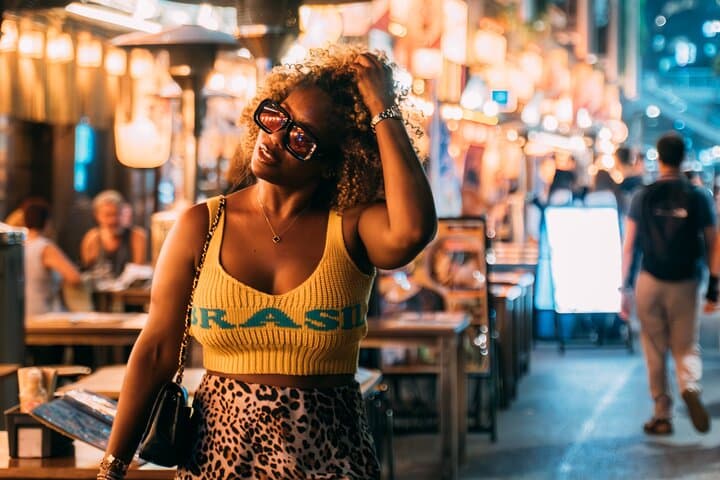
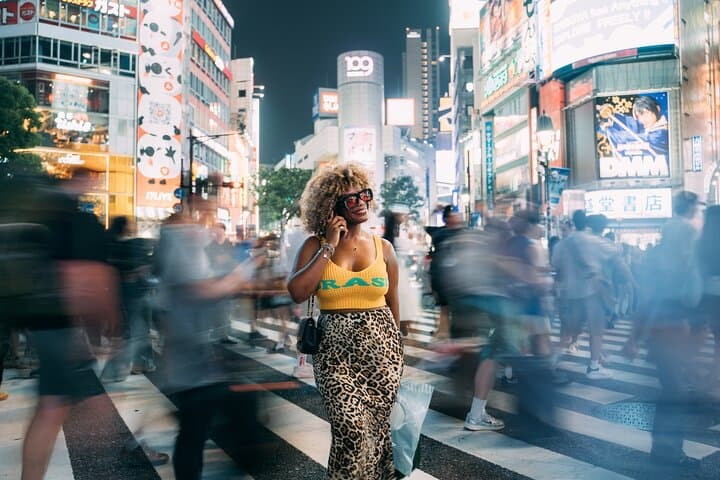


The neon breathes and the crowd parts like a practiced stagehand as you step toward Shibuya Crossing. Cameras click, footsteps echo on wet pavement, and a local photographer guides you into the swirl—positioning you on zebra-striped asphalt, in narrow backstreets, and on a small rooftop where the city tilts into focus.
The neon breathes and the crowd parts like a practiced stagehand as you step toward Shibuya Crossing. Cameras click, footsteps echo on wet pavement, and a local photographer guides you into the swirl—positioning you on zebra-striped asphalt, in narrow backstreets, and on a small rooftop where the city tilts into focus.
Shibuya grew from a stop on Tokyo’s rail map into a global center of youth culture after World War II; the Hachiko statue outside Shibuya Station anchors a story of loyalty that still draws visitors. The neighborhood sits on the Kanto Plain and is threaded by small waterways—remnants of older Tokyo—so the lights often reflect in shallow streams and rain-slick streets, giving night shots extra depth.
Expect a mix of iconic and intimate frames: the scramble crossing’s kinetic geometry, the neon-cluttered lanes of Center Gai, and quieter pockets where signage and modern architecture provide clean, lifestyle-focused backdrops. The photographer provides posing cues and technical guidance, so no modeling experience is required.
Practically, plan for 90–120 minutes, bring a charged camera or smartphone, and aim for blue hour to get balanced glow from sky and neon. Public transit drops you within moments of meeting points; the tour includes 20 edited photos delivered digitally in 3–5 days and a complimentary drink. Be ready to move through crowds, follow local etiquette (no obstructing pedestrian flow), and choose footwear that balances comfort and city style.
This is an urban night walk that asks for curiosity and common sense: follow your photographer’s lead, mind local rules, and you’ll leave with polished images and a sharper view of Tokyo after dark.