THE ADVENTURE COLLECTIVE® · Independent discovery and booking for outdoor travel

Make the most of a long airport stop with a private, licensed guide who packs Tokyo’s history and highlights into a custom 8‑hour itinerary. Choose 3–4 sights—from imperial gardens to neon intersections—and return to Narita by train.
Make the most of a long airport stop with a private, licensed guide who packs Tokyo’s history and highlights into a custom 8‑hour itinerary. Choose 3–4 sights—from imperial gardens to neon intersections—and return to Narita by train.
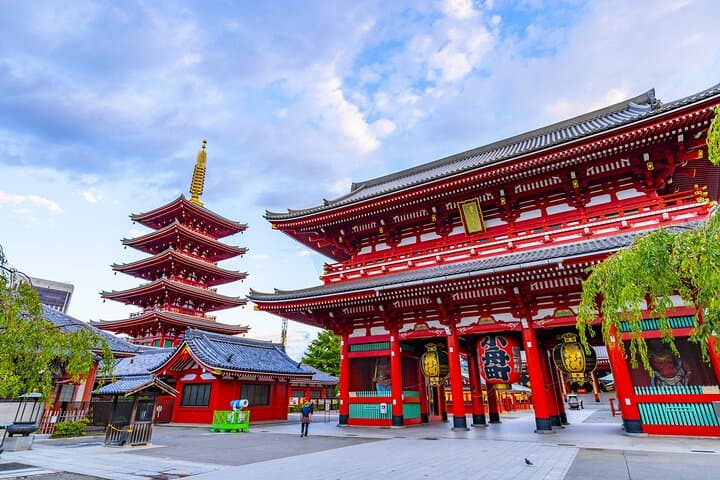
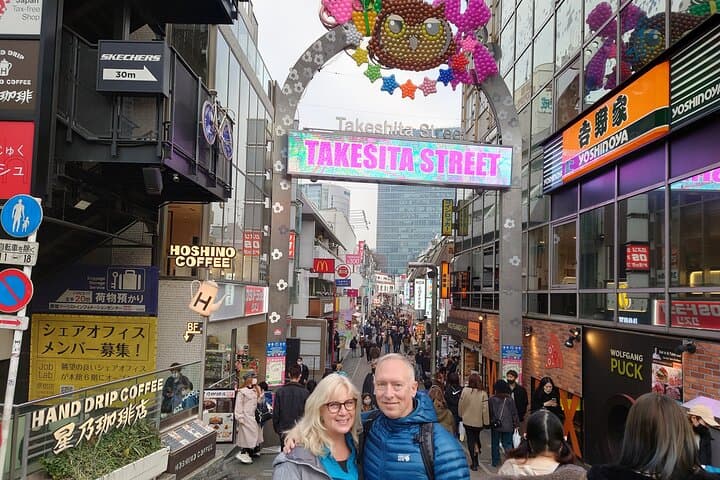
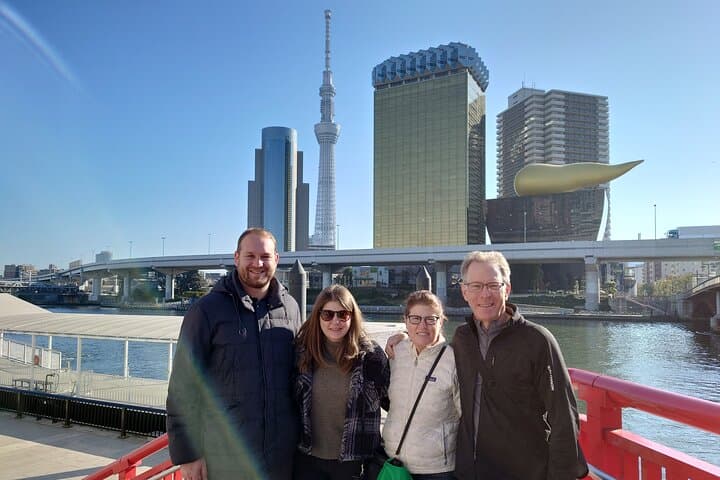
You step out of Narita’s terminal into a corridor of travelers and, within an hour by train, the city unfolds: neon arteries, shrine gates framed by city trees, and a guide whose local cadence moves you through the crowded slices of Tokyo.
Verified experiences and guided adventures in the surrounding area.
Operated by Japan Guide Agency · Narita, Chiba
You step out of Narita’s terminal into a corridor of travelers and, within an hour by train, the city unfolds: neon arteries, shrine gates framed by city trees, and a guide whose local cadence moves you through the crowded slices of Tokyo.
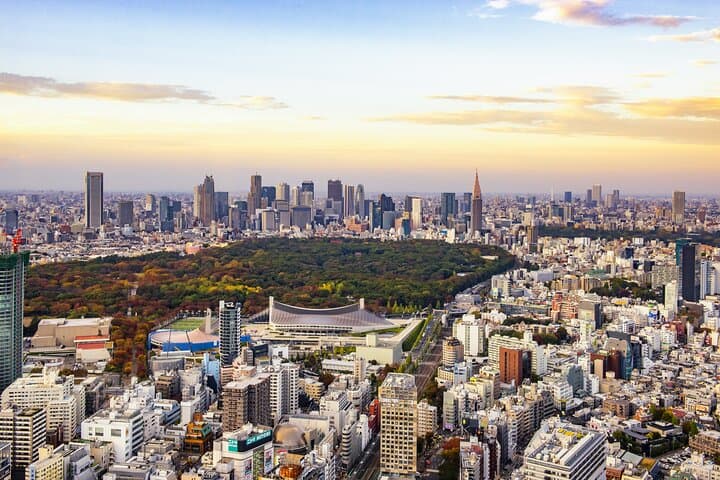
This private, eight-hour layover tour focuses on a compact area—3–4 sites chosen with your guide—so you experience Edo-era history at the Imperial Palace grounds, the ritual hush of Meiji Shrine, the frenetic energy of Shibuya Crossing or the quieter lanes of Yanaka. Tokyo’s story is visible in stone: Tokugawa-era moats and rebuilt Meiji-era shrines sit beside postwar modernism and reclaimed bays like Odaiba.
Geology here is subtle: reclaimed flatlands and river mouths shaped the city’s expansion; green spaces such as Hama Rikyu use tidal ponds that still reflect the bay. Culture alternates the ceremonial and commercial—temple etiquette, lunchtime market rituals at the fish market and late-afternoon izakaya life.
Practically, the tour is walking plus trains; your licensed English-speaking guide handles navigation and public-transport logistics, and will escort you back to the nearest Narita Express station for a timely return. Expect 3–6 miles of walking over mostly flat, paved ground, variable crowds, and short transit hops.
Bring comfortable shoes, a light layer, and a portable battery for translating apps. Time your selections (gardens, museums, shrine visits) with transit time in mind—Tokyo rewards planning as much as curiosity.
moderate.
8 hours.
Moderate walking stamina; expect several miles on paved city streets and short train transfers.
Meet at your specified Narita International Airport terminal; confirm terminal and arrival time when booking.
Admission to sites is generally not included—discuss which attractions you want to enter so the guide can plan timing and fees.
The tour is walking- and train-based; while many areas are wheelchair-accessible, it may not suit those with serious mobility issues—check specific needs in advance.
Plan to be back at the airport at least 90–120 minutes before international departure; your guide will advise based on train schedules and security lines.
Tokyo grew from Edo, the seat of Tokugawa power (1603–1867); the Imperial Palace now sits on former Edo Castle grounds and much of the city reflects post‑war rebuilding and reclaimed shoreline development.
Urban sites limit foot traffic in sensitive gardens—stick to paths, avoid feeding wildlife, and pack out waste; many temples request modest, low-impact behavior.
Japan Guide Agency operates guided outdoor trips and adventures with an emphasis on safety, stewardship, and memorable experiences.
You step out of Narita’s terminal into a corridor of travelers and, within an hour by train, the city unfolds: neon arteries, shrine gates framed by city trees, and a guide whose local cadence moves you through the crowded slices of Tokyo.
You step out of Narita’s terminal into a corridor of travelers and, within an hour by train, the city unfolds: neon arteries, shrine gates framed by city trees, and a guide whose local cadence moves you through the crowded slices of Tokyo.
This private, eight-hour layover tour focuses on a compact area—3–4 sites chosen with your guide—so you experience Edo-era history at the Imperial Palace grounds, the ritual hush of Meiji Shrine, the frenetic energy of Shibuya Crossing or the quieter lanes of Yanaka. Tokyo’s story is visible in stone: Tokugawa-era moats and rebuilt Meiji-era shrines sit beside postwar modernism and reclaimed bays like Odaiba.
Geology here is subtle: reclaimed flatlands and river mouths shaped the city’s expansion; green spaces such as Hama Rikyu use tidal ponds that still reflect the bay. Culture alternates the ceremonial and commercial—temple etiquette, lunchtime market rituals at the fish market and late-afternoon izakaya life.
Practically, the tour is walking plus trains; your licensed English-speaking guide handles navigation and public-transport logistics, and will escort you back to the nearest Narita Express station for a timely return. Expect 3–6 miles of walking over mostly flat, paved ground, variable crowds, and short transit hops.
Bring comfortable shoes, a light layer, and a portable battery for translating apps. Time your selections (gardens, museums, shrine visits) with transit time in mind—Tokyo rewards planning as much as curiosity.