THE ADVENTURE COLLECTIVE® · Independent discovery and booking for outdoor travel

Turn an airport layover into a curated snapshot of Tokyo: pick 3–4 stops and let a licensed English guide steer you between shrines, gardens and neon districts. Efficient, private, and built for travelers short on time.
Turn an airport layover into a curated snapshot of Tokyo: pick 3–4 stops and let a licensed English guide steer you between shrines, gardens and neon districts. Efficient, private, and built for travelers short on time.
You step out of Narita’s cool airport air and into a private car that threads toward Tokyo, the city’s glass and stone beginning to rise like a promise on the horizon.
Verified experiences and guided adventures in the surrounding area.
Operated by Japan Guide Agency · Narita, Chiba
You step out of Narita’s cool airport air and into a private car that threads toward Tokyo, the city’s glass and stone beginning to rise like a promise on the horizon.
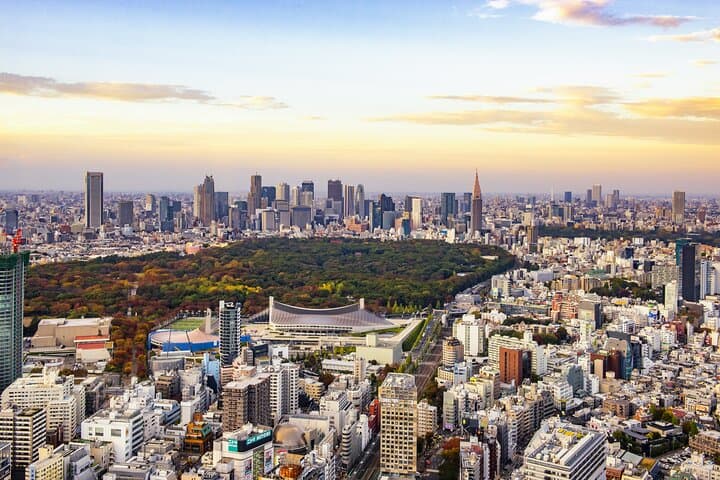
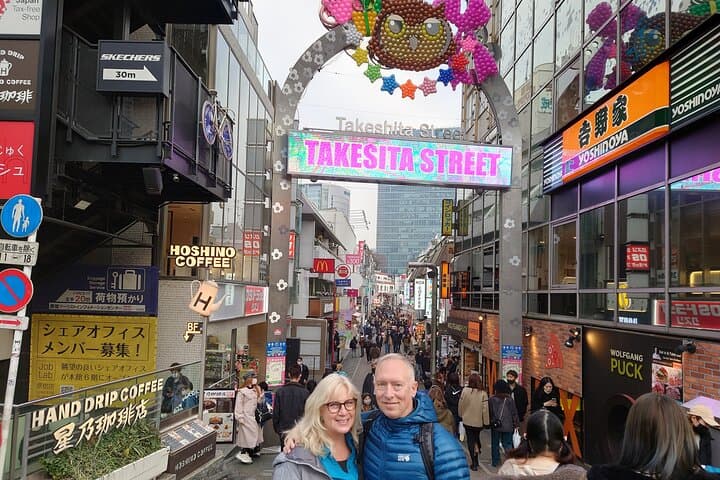
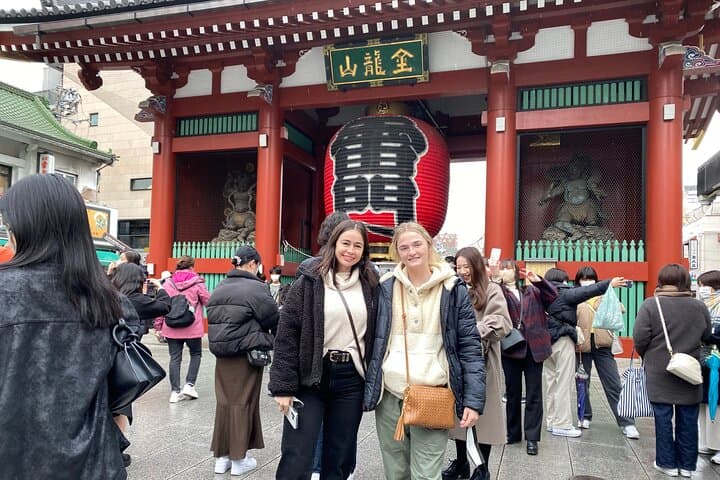
In eight hours you can move from the quiet dignity of the Imperial Palace moats to the smell of fried snacks along Nakamise and the crosswalk rush at Shibuya — each stop a compact lesson in Tokyo’s layered past and kinetic present. The Imperial Palace sits where Edo Castle once held the Tokugawa shoguns; nearby gardens and stonework still speak to 17th–19th century urban planning. Sensoji and Meiji Shrine contrast religious traditions: one a bustling temple market, the other a planted forest that cools Harajuku’s frenetic streets.
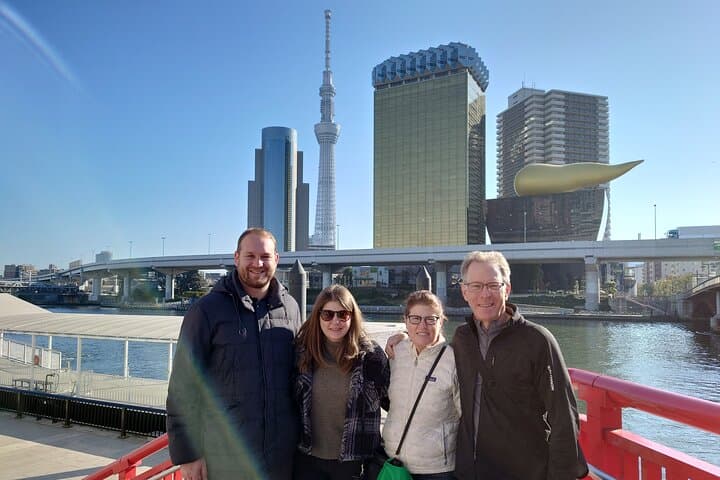
Geology here is subtle: reclaimed bays like Odaiba and the tidal ponds of Hama Rikyu show how Tokyo reshaped shorelines over centuries, while park terraces preserve planted woodlands within the metropolis. Culture is immediate — polite queues, precise transit, and ritual at shrine gates — and your government‑licensed English guide explains local customs and timing to maximize a short schedule.
Practical guidance: plan three to four sites and allow buffer time for traffic and airport recheck; most stops involve 20–60 minutes on foot across paved streets and garden paths. Carry a small daypack with water, a portable charger and comfortable shoes; if rain is forecast, pack a compact umbrella. Note that tipping is uncommon; bring cash for small purchases and shrine offerings. With an experienced guide and a private vehicle, an airport layover becomes an efficient, layered introduction to Tokyo’s history and energy.
easy.
8 hours.
Suitable for most travelers who can walk short distances and stand for brief periods; minimal fitness required.
The tour picks up and returns to Narita Airport (NRT) or a nearby airport hotel; inform the operator of your terminal in advance.
Yes — choose 3–4 sites from the provided list; communicate priorities with your guide ahead of the tour to optimize timing.
Expect short walks of 10–30 minutes at most per stop across paved or garden paths; the vehicle covers longer distances.
Admissions are generally not included; your guide can advise on entrance fees and purchase tickets if needed.
Tokyo grew from Edo, the Tokugawa shogunate’s seat from 1603–1867; many central sites trace that political and cultural shift to the modern capital.
Tokyo emphasizes waste sorting and respectful visitation at sacred sites; minimize single‑use plastics, follow signage, and support local businesses to reduce tourism impact.
Japan Guide Agency operates guided outdoor trips and adventures with an emphasis on safety, stewardship, and memorable experiences.
You step out of Narita’s cool airport air and into a private car that threads toward Tokyo, the city’s glass and stone beginning to rise like a promise on the horizon.
You step out of Narita’s cool airport air and into a private car that threads toward Tokyo, the city’s glass and stone beginning to rise like a promise on the horizon.
In eight hours you can move from the quiet dignity of the Imperial Palace moats to the smell of fried snacks along Nakamise and the crosswalk rush at Shibuya — each stop a compact lesson in Tokyo’s layered past and kinetic present. The Imperial Palace sits where Edo Castle once held the Tokugawa shoguns; nearby gardens and stonework still speak to 17th–19th century urban planning. Sensoji and Meiji Shrine contrast religious traditions: one a bustling temple market, the other a planted forest that cools Harajuku’s frenetic streets.
Geology here is subtle: reclaimed bays like Odaiba and the tidal ponds of Hama Rikyu show how Tokyo reshaped shorelines over centuries, while park terraces preserve planted woodlands within the metropolis. Culture is immediate — polite queues, precise transit, and ritual at shrine gates — and your government‑licensed English guide explains local customs and timing to maximize a short schedule.
Practical guidance: plan three to four sites and allow buffer time for traffic and airport recheck; most stops involve 20–60 minutes on foot across paved streets and garden paths. Carry a small daypack with water, a portable charger and comfortable shoes; if rain is forecast, pack a compact umbrella. Note that tipping is uncommon; bring cash for small purchases and shrine offerings. With an experienced guide and a private vehicle, an airport layover becomes an efficient, layered introduction to Tokyo’s history and energy.