THE ADVENTURE COLLECTIVE® · Independent discovery and booking for outdoor travel

Don silk kimono or samurai garb and turn a Tokyo studio into your stage. This two-hour family and group plan near JR Meguro Station pairs authentic costumes with guided photography, prints, and digital files.
Don silk kimono or samurai garb and turn a Tokyo studio into your stage. This two-hour family and group plan near JR Meguro Station pairs authentic costumes with guided photography, prints, and digital files.
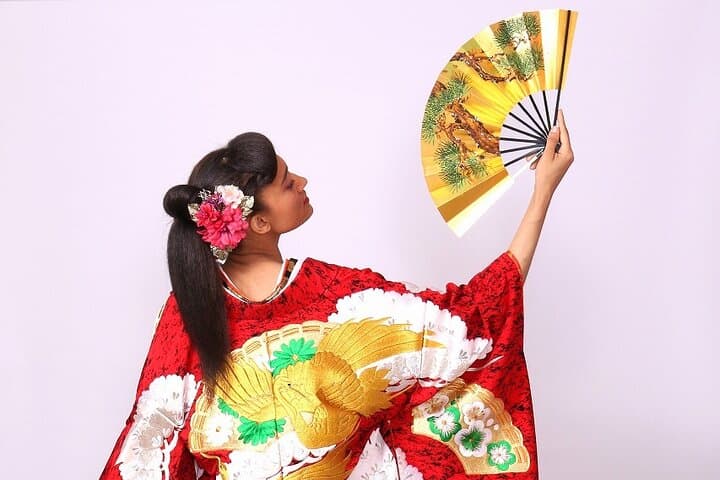
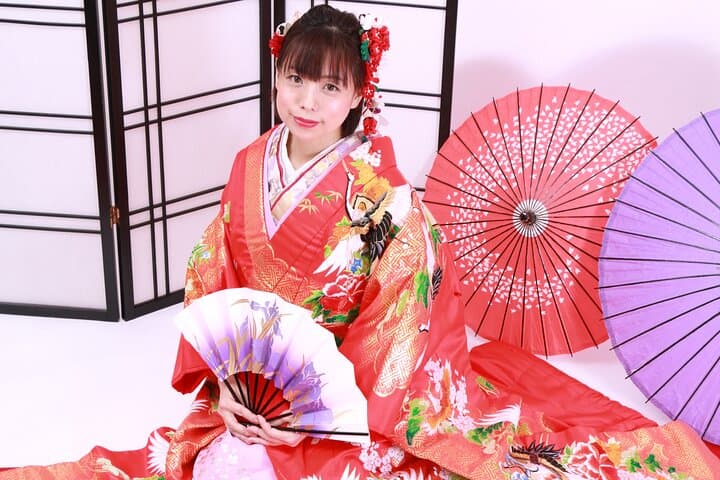
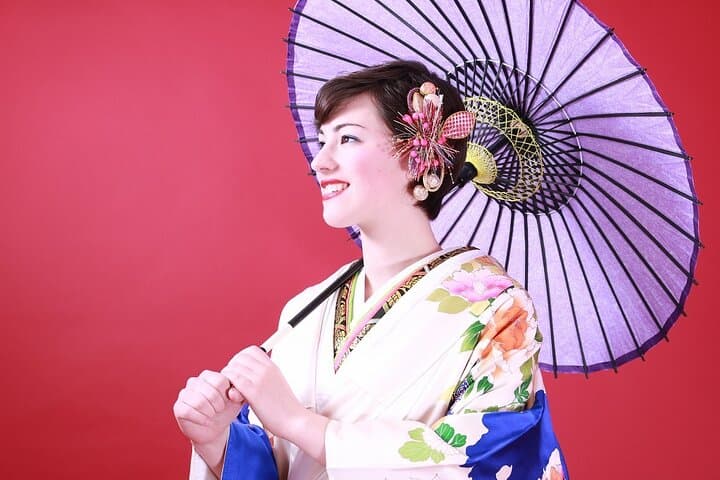
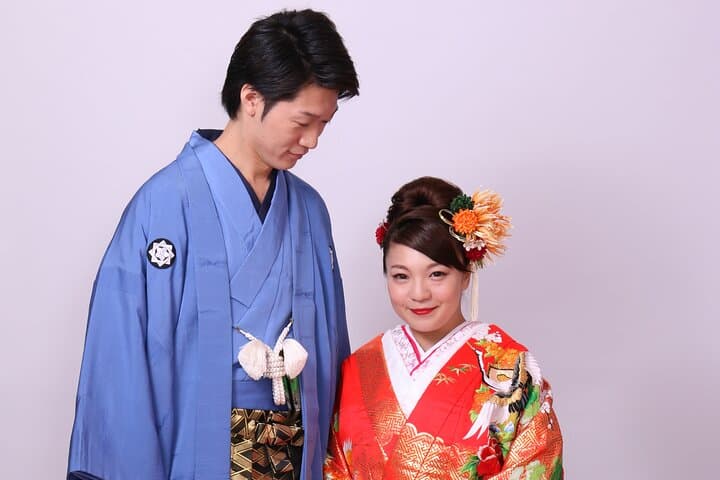
Step through a paper sliding door and the city noise softens; silk folds and lacquered swords take center stage. In a compact studio a minute from JR Meguro Station, color and pattern replace glass and concrete—long-sleeved silk kimono sweep the floor while samurai hakama and swords assert a quieter drama. The photographer guides poses, and small gestures—hands on obi, steady chin—turn into framed moments.
Verified experiences and guided adventures in the surrounding area.
Operated by Kimono Photo Studio WA · Tokyo, Tokyo
Step through a paper sliding door and the city noise softens; silk folds and lacquered swords take center stage. In a compact studio a minute from JR Meguro Station, color and pattern replace glass and concrete—long-sleeved silk kimono sweep the floor while samurai hakama and swords assert a quieter drama. The photographer guides poses, and small gestures—hands on obi, steady chin—turn into framed moments.
Kimono and samurai clothing carry centuries of social meaning: kimono styles evolved through Edo and Meiji-era fashions, while samurai attire echoes both martial function and ritualized formality. Meguro itself shifted from a suburban riverside outpost to a modern Tokyo neighborhood; nearby the Meguro River still marks seasonal changes that complement studio portraits.
Expect a relaxed indoor session designed for families and groups (up to five). Staff handle dressing and simple up-style hair with kanzashi accessories, provide props — umbrellas, fans, swords, fox masks — and deliver both print and digital files. The pace is unhurried: fittings, styling, then about 40 shots from which you choose prints and image files.
Practical tips: arrive with minimal makeup and comfortable undergarments, allow the full two hours for dressing and photos, and be ready to follow staff direction for poses. Accessibility is straightforward—wheelchair access is available—but mention mobility needs when booking. Book early for cherry blossom season or weekend slots. Treat garments respectfully: these are authentic silk pieces; pose with care and avoid awkward movements that strain fabric. This session is as much about cultural exchange as it is about photos—arrive curious and ready to smile for the camera.
easy.
2 hours.
Suitable for all fitness levels; mostly standing and light posing during the session
The family/group plan accommodates up to five people in a single booking.
The studio shoots about 40 cuts, provides two printed 13 x 18 cm photos, and includes the same two digital image files.
Yes—girls and boys are welcome; simple hair styling and age-appropriate costume options are provided.
The studio is approximately a one-minute walk from JR Meguro Station—confirm exact exit and a street-level landmark in your booking confirmation.
Kimono styling and samurai dress reflect Edo and Meiji period clothing conventions; long-sleeved silk kimono signal formality and are used for special photographic occasions.
Treating silk garments gently preserves historic textiles; opt for studios that practice careful handling and minimize unnecessary laundering to extend garment life.
Kimono Photo Studio WA operates guided outdoor trips and adventures with an emphasis on safety, stewardship, and memorable experiences.
Step through a paper sliding door and the city noise softens; silk folds and lacquered swords take center stage. In a compact studio a minute from JR Meguro Station, color and pattern replace glass and concrete—long-sleeved silk kimono sweep the floor while samurai hakama and swords assert a quieter drama. The photographer guides poses, and small gestures—hands on obi, steady chin—turn into framed moments.
Step through a paper sliding door and the city noise softens; silk folds and lacquered swords take center stage. In a compact studio a minute from JR Meguro Station, color and pattern replace glass and concrete—long-sleeved silk kimono sweep the floor while samurai hakama and swords assert a quieter drama. The photographer guides poses, and small gestures—hands on obi, steady chin—turn into framed moments.
Kimono and samurai clothing carry centuries of social meaning: kimono styles evolved through Edo and Meiji-era fashions, while samurai attire echoes both martial function and ritualized formality. Meguro itself shifted from a suburban riverside outpost to a modern Tokyo neighborhood; nearby the Meguro River still marks seasonal changes that complement studio portraits.
Expect a relaxed indoor session designed for families and groups (up to five). Staff handle dressing and simple up-style hair with kanzashi accessories, provide props — umbrellas, fans, swords, fox masks — and deliver both print and digital files. The pace is unhurried: fittings, styling, then about 40 shots from which you choose prints and image files.
Practical tips: arrive with minimal makeup and comfortable undergarments, allow the full two hours for dressing and photos, and be ready to follow staff direction for poses. Accessibility is straightforward—wheelchair access is available—but mention mobility needs when booking. Book early for cherry blossom season or weekend slots. Treat garments respectfully: these are authentic silk pieces; pose with care and avoid awkward movements that strain fabric. This session is as much about cultural exchange as it is about photos—arrive curious and ready to smile for the camera.